

Dogs don’t get dramatic when something hurts, which is exactly what makes pain so easy to miss. Instead of limping around or crying on cue, they exhibit small changes that can be easy to explain away in the moment. Maybe they skip a meal, hesitate before jumping, or suddenly seem annoyed about being touched. None of it screams emergency, but taken together, it tells a clear story. Dogs rely on behavior to communicate discomfort, and the signs usually show up long before things get serious.


They quietly lose interest in food


When eating slows down or enthusiasm disappears, it often has less to do with pickiness and more to do with discomfort. Pain can make chewing unpleasant or dull a dog’s appetite altogether. If your dog still eats but no longer seems excited about meals or treats, that shift matters.
They start making sounds they normally don’t


Dogs who rarely vocalize may suddenly whine, sigh, grunt, or let out small yelps when moving or settling down. These sounds aren’t attention-seeking as much as involuntary reactions to discomfort. Even subtle new noises can be your dog’s way of saying something feels off.
They move differently than they used to


Changes in movement often show up before a full limp ever appears. Your dog might hesitate before jumping, climb stairs one step at a time, or take longer to stand up. These small adjustments are often an attempt to avoid triggering pain.
They focus on one spot over and over


Repeated licking, chewing, or nosing at the same area usually means something hurts there, even if you can’t see an injury. Dogs instinctively try to soothe pain this way. When it becomes persistent, it’s worth paying attention to what they’re targeting.
Their resting positions look unusual


Pain often shows up in how a dog chooses to sit or lie down. You might notice stiff, awkward positions, a hunched back, or a refusal to settle fully on one side. These changes are often attempts to stay comfortable while protecting a sore area.
Their patience wears thin
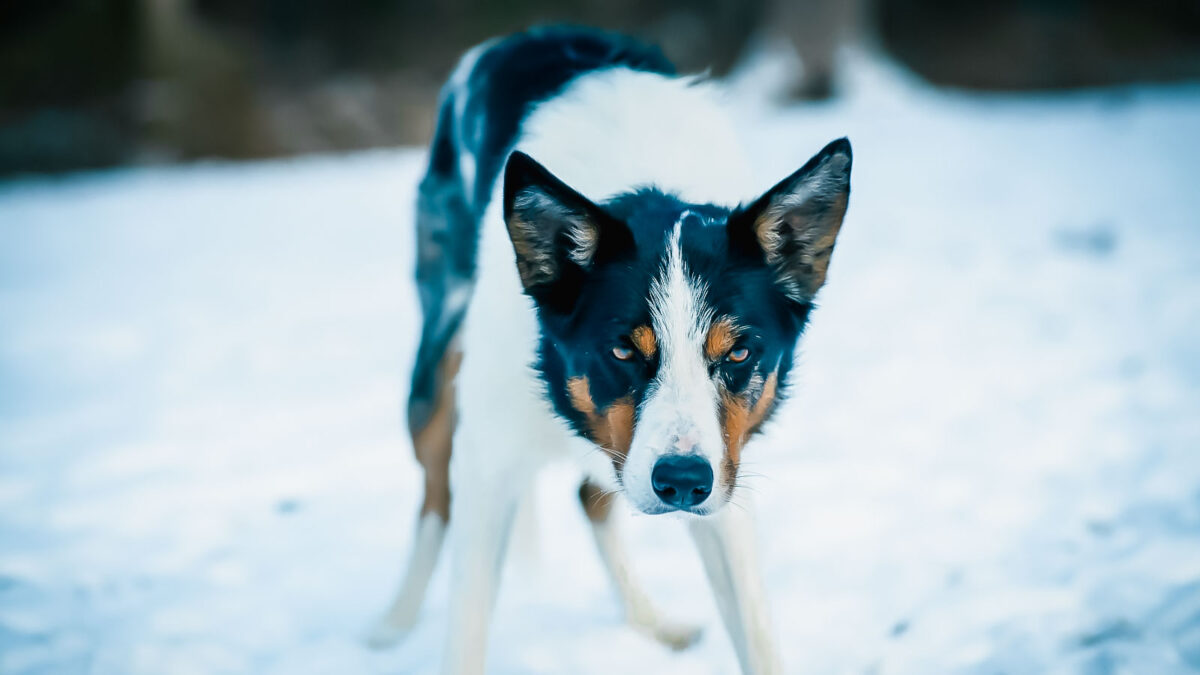

Dogs in pain can become short-tempered, even if they’ve always been gentle. Growling, snapping, or pulling away may be their way of setting boundaries when they’re hurting. It’s less about attitude and more about self-protection.
They sleep more but rest less


Pain can make dogs tired while also making real rest hard to achieve. You may notice longer naps paired with frequent repositioning or restlessness. This combination often signals discomfort that won’t let them fully relax.
Their breathing changes at rest


Fast, shallow, or uneven breathing can be a response to pain, even when your dog isn’t exercising or overheated. It’s especially concerning if it shows up while they’re lying down or trying to sleep. Breathing patterns can tell you a lot about how they’re feeling.
They shake or tremble without a clear reason


Shaking isn’t always about cold or fear. Dogs sometimes tremble when they’re dealing with pain or internal discomfort. If it happens in calm, familiar settings, it’s a sign something may be wrong.
They stop seeking touch


A dog who usually leans in for pets or cuddles may suddenly avoid contact. Pulling away, flinching, or choosing distance can mean touch hurts more than it comforts. This change is often subtle but emotionally telling.
They can’t seem to get comfortable


Constant pacing, circling, or repeatedly changing sleeping spots often means your dog is struggling to settle. Pain makes it hard to find a position that doesn’t aggravate something. This behavior is especially noticeable at night or during downtime.
Their body language looks deflated


Ears held low, a tucked tail, or a general slouch in posture can all point to discomfort. Dogs communicate a lot through how they carry themselves, and pain often shows up as a quieter, heavier presence. These signals are easy to miss unless you’re watching closely.
10 Tips For Managing Your Dog’s Separation Anxiety


If your dog gets anxious when you leave, you’re not alone. Many pet owners face the challenge of managing their dog’s separation anxiety. It can be tough seeing your best friend distressed, but there are effective ways to help them cope. Let’s walk through some practical tips to ease your dog’s anxiety and make your departures less stressful for both of you.
Read it Here: 10 Tips For Managing Your Dog’s Separation Anxiety
9 Ways To Make Vet Visits Less Stressful For Your Dog


Vet visits can be stressful for both dogs and their humans, but they don’t have to be a total nightmare. Sure, your dog might think it’s the end of the world when they walk through those clinic doors, but with a few clever tricks, you can turn the whole experience into something much less chaotic. Here’s how to keep things low-key and make them as comfortable as possible on your next visit.
Read it Here: 9 Ways To Make Vet Visits Less Stressful For Your Dog (And You)
*Select images provided by Depositphotos.