

Vet visits can be stressful for both dogs and their humans, but they don’t have to be a total nightmare. Sure, your dog might think it’s the end of the world when they walk through those clinic doors, but with a few clever tricks, you can turn the whole experience into something much less chaotic. Here’s how to keep things low-key and make them as comfortable as possible on your next visit.


Start with Car Rides


Many dogs associate car rides with something unpleasant, usually because they only ride in the car when going to the vet. To break this association, take your dog on short, fun trips to places like the park or even just around the block. The goal is to make car rides part of their routine and something they enjoy, so vet visits feel less daunting.
Get Them Used to Handling


Vets often need to touch areas your dog isn’t used to being handled, like their paws, ears, and mouth. You can help by gently touching these areas at home, making it a positive experience by rewarding your dog with treats or praise. Over time, this will help them feel more comfortable being examined by the vet. It’s especially important for puppies, but older dogs benefit from this desensitization too.
Bring Their Favorite Toy


Familiar objects can have a calming effect on dogs, especially in unfamiliar or stressful situations. Bring a toy or blanket that smells like home to the vet visit. The comforting scent and the familiarity of a favorite toy can help reduce your dog’s anxiety in a stressful environment, giving them something to focus on other than the vet exam. Just make sure it’s something they associate with positive feelings, like playtime or relaxation.
Stay Calm Yourself


Dogs are incredibly intuitive and can pick up on their owner’s emotions. If you’re nervous, your dog will sense it and become anxious too. Practice staying calm and composed before and during the visit. Take deep breaths, use a cheerful tone of voice, and keep your movements relaxed. Your calm presence will help your dog feel more secure and less likely to get worked up during the exam. You’re their emotional barometer, so setting the right tone is key.
Use Positive Reinforcement


Turn the vet visit into something your dog can look forward to by offering them treats throughout the process. Bring high-value treats (think: chicken or cheese) and reward them for each positive behavior—like sitting calmly in the waiting room, letting the vet handle them, or getting through an injection. This builds a positive association with the vet over time. Instead of dreading the experience, they’ll begin to expect rewards for their cooperation.
Practice Short Visits


A good way to familiarize your dog with the vet’s office is by making quick, non-threatening visits. Take them in just to get weighed or say hello to the staff, then leave without any medical treatment being done. Over time, these low-stakes visits help reduce fear by turning the vet’s office into a less stressful environment. It also helps if the vet or staff offer treats or gentle pats to create a positive, welcoming atmosphere for your dog.
Desensitize Them to the Carrier


If your dog is smaller and travels in a carrier, make sure they don’t only see it as the “scary vet box.” Leave the carrier open at home and allow them to explore it on their own terms. Put treats or toys inside to encourage them to go in voluntarily. The more time they spend getting used to the carrier at home, the less likely they’ll be to panic when it’s time to go to the vet. Think of the carrier as a cozy den rather than a dreaded travel cage.
Try Calming Supplements


For dogs with higher anxiety levels, calming supplements can make a big difference. Products like CBD treats, pheromone sprays, or calming collars release natural compounds that help reduce stress. Give them to your dog an hour before the appointment so they have time to take effect. While these aren’t a cure-all, they can take the edge off for dogs who tend to get overly anxious, making the vet visit less overwhelming for both you and your dog.
Schedule for Less Busy Times


Vet offices can be chaotic, especially during peak hours when the waiting room is full of other pets and stressed-out owners. Try scheduling your appointment for a quieter time, like mid-morning or mid-afternoon, when there’s less activity. A calm, empty waiting room is less likely to trigger anxiety in your dog than a packed, noisy space full of nervous animals. It also means less waiting, which can reduce stress for both you and your dog.
10 Things Dog Owners Do That Drive Their Vets Crazy
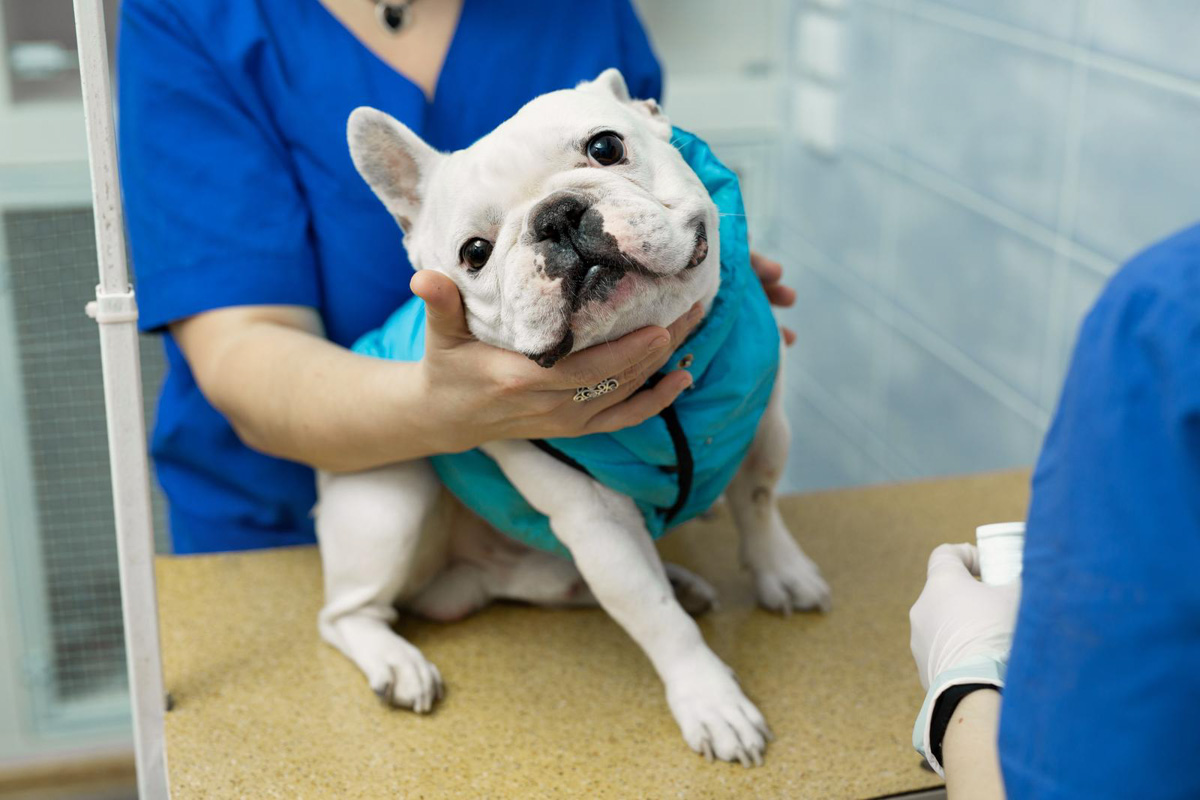
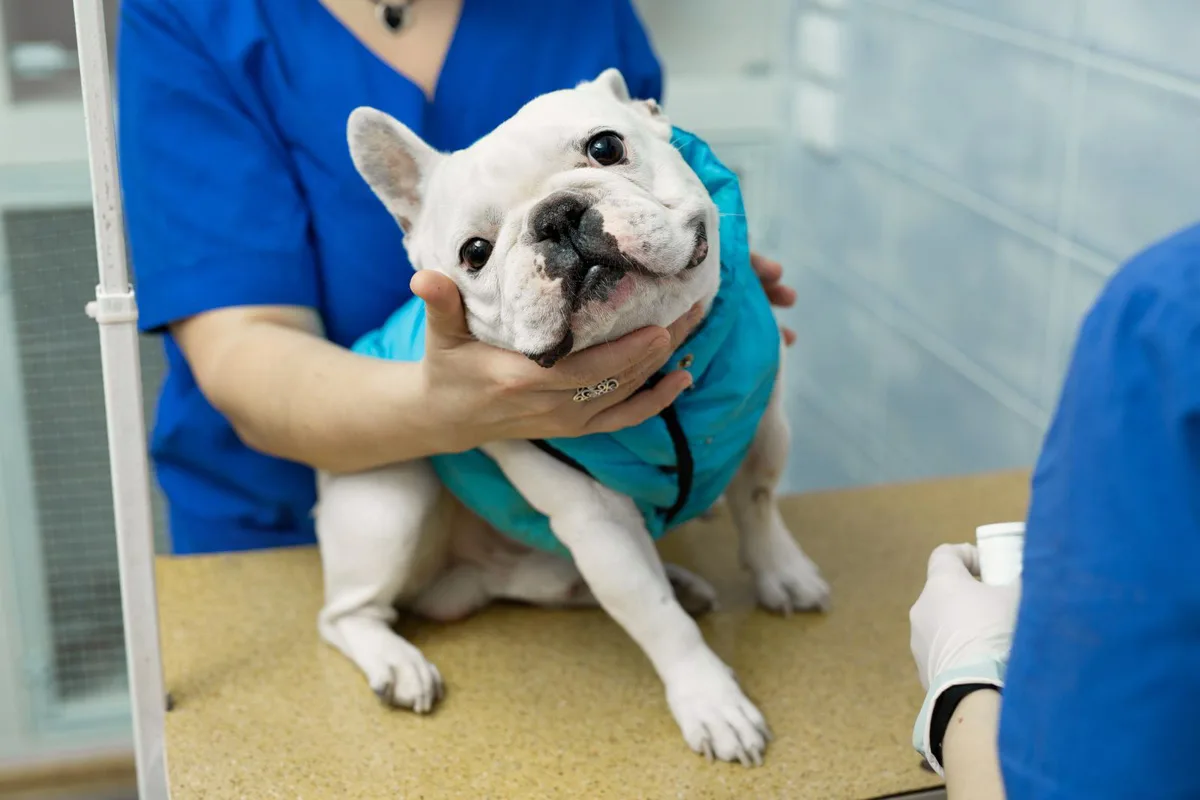
Vets love your dog, but sometimes the things we owners do can really push their patience. While they won’t always say it, there are definitely a few habits that make them shake their heads during visits. We’ve all been there, doing things that might seem harmless but actually drive them up the wall. If you want to stay in your vet’s good graces, here’s what you might be doing wrong when you walk into the office.
Read it Here: 10 Things Dog Owners Do That Drive Their Vets Crazy
7 Tips To Stop Your Dog From Stealing Food Off The Table


Every dog owner has been in this situation at some point — one minute your plate is full, the next, your dog is making off with your sandwich like some kind of four-legged ninja. Dogs have an impressive knack for swiping food the second you look away, but it doesn’t have to be a battle of wits every meal. With a few smart moves (and maybe some patience), you can outsmart your furry thief and enjoy your dinner in peace.
Read it Here: 7 Tips To Stop Your Dog From Stealing Food Off The Table