
For some dogs, winter works the way summer does for beach people. The air feels better, the ground feels right under their feet, and their whole body language shifts once the snow arrives. They move with more purpose, seem more alert, and settle into the cold like it finally matches what they were built for. Snow-covered yards and icy paths aren’t obstacles for these breeds, they’re familiar terrain that brings out a version of them that feels calmer, stronger, and more confident.


Siberian Husky


The first snowflake hasn’t even hit the ground before a Husky is already losing its mind with excitement. Cold weather wakes something up in them, and suddenly walks turn into missions and backyard time turns into snow zoomies. Their thick coat and endurance mean winter doesn’t slow them down at all. If anything, it finally feels like their environment matches their energy.
Alaskan Malamute


Malamutes don’t just enjoy snow, they look like they were waiting all year for it. Cold temperatures seem to flip a switch that makes them calmer, stronger, and more focused. Snowy walks feel easier for them than mild ones, and deep drifts don’t faze them in the slightest. Owners often joke that winter is the only season where their Malamute truly relaxes.
Samoyed


Snow and Samoyeds go together like they were designed as a set. The cold brings out their playful side, and they seem happiest bouncing through powder with their signature grin firmly in place. Their coat handles snow effortlessly, staying fluffy instead of soggy. If your Samoyed disappears into the yard during a snowfall, it’s probably because they’re having the time of their life.
Bernese Mountain Dog


Berners move differently in winter, like the cold gives them purpose. Snowy ground feels familiar to them, and long winter walks suit their steady pace perfectly. They don’t rush, they don’t complain, and they don’t seem bothered by cold at all. Many owners notice their Bernese is more energetic and comfortable once temperatures drop.
Newfoundland


Cold, wet, snowy weather is where Newfoundlands feel most at home. Snow doesn’t bother them, and icy slush barely registers thanks to their thick coat and sturdy build. They move through winter conditions with a calm confidence that makes everything feel manageable. Watching a Newfoundland in the snow feels like watching a professional do their job.
Saint Bernard


Saint Bernards seem to treat snow like familiar territory rather than an inconvenience. Their size and strength make trudging through winter conditions look easy, and they rarely seem in a hurry to get back inside. Snowy days often bring out a surprisingly playful side that owners don’t always see in warmer months. Winter just fits them.
Great Pyrenees


Cold weather suits the Great Pyrenees in a quiet, understated way. They’re content standing watch while snow falls around them, perfectly comfortable staying outside longer than most dogs. Their thick coat handles winter effortlessly, and they often prefer chilly nights to warm ones. Snow seems to put them at ease rather than slow them down.
Tibetan Mastiff


Snowy conditions feel natural to Tibetan Mastiffs, even if they act like they don’t care much either way. Cold air and winter weather don’t bother them, and they often seem more alert and settled when temperatures drop. Their thick mane and sturdy frame make them look especially at home against a winter backdrop. It’s the kind of weather that suits their calm, watchful personality.
Akita


Akitas tend to come alive in cold weather, moving with more confidence and energy once the snow arrives. Their coat insulates them well, and winter walks often feel easier than summer ones. Snowy environments seem to sharpen their focus rather than distract them. Many owners notice their Akita is more content and relaxed during winter months.
Chow Chow


Cold weather suits Chow Chows far better than heat ever will. Snowy days bring out a quiet enthusiasm, even if they don’t show it in obvious ways. Their thick coat keeps them comfortable, and winter walks feel less taxing for them. Snow makes them look exactly like they belong outside.
Keeshond


Keeshonds treat snow like an invitation to play. Their thick coat keeps them warm without weighing them down, and they move easily through cold, damp conditions. Winter brings out their cheerful personality, especially during snowy walks or backyard time. For many owners, snow days mean a happier, more playful dog.
Norwegian Elkhound


Snow feels familiar to Norwegian Elkhounds in a way that’s hard to miss. Cold weather sharpens their stamina and keeps them moving comfortably for long stretches. They don’t hesitate on icy ground and seem energized by winter conditions. For owners in colder climates, this breed feels built for the season.
Finnish Lapphund


Winter brings out the best in Finnish Lapphunds. Snow doesn’t slow them down, and cold air seems to boost their mood rather than dampen it. Their thick coat and curled tail handle harsh weather with ease. Snowy days often turn into long, happy outings for this breed.
American Eskimo Dog


Despite their size, American Eskimo Dogs handle snow remarkably well. Cold weather suits their thick coat, and winter often brings a noticeable burst of energy. They’re playful in the snow without being overwhelmed by it. Owners often find that chilly days are when this breed feels most comfortable.
Shiba Inu

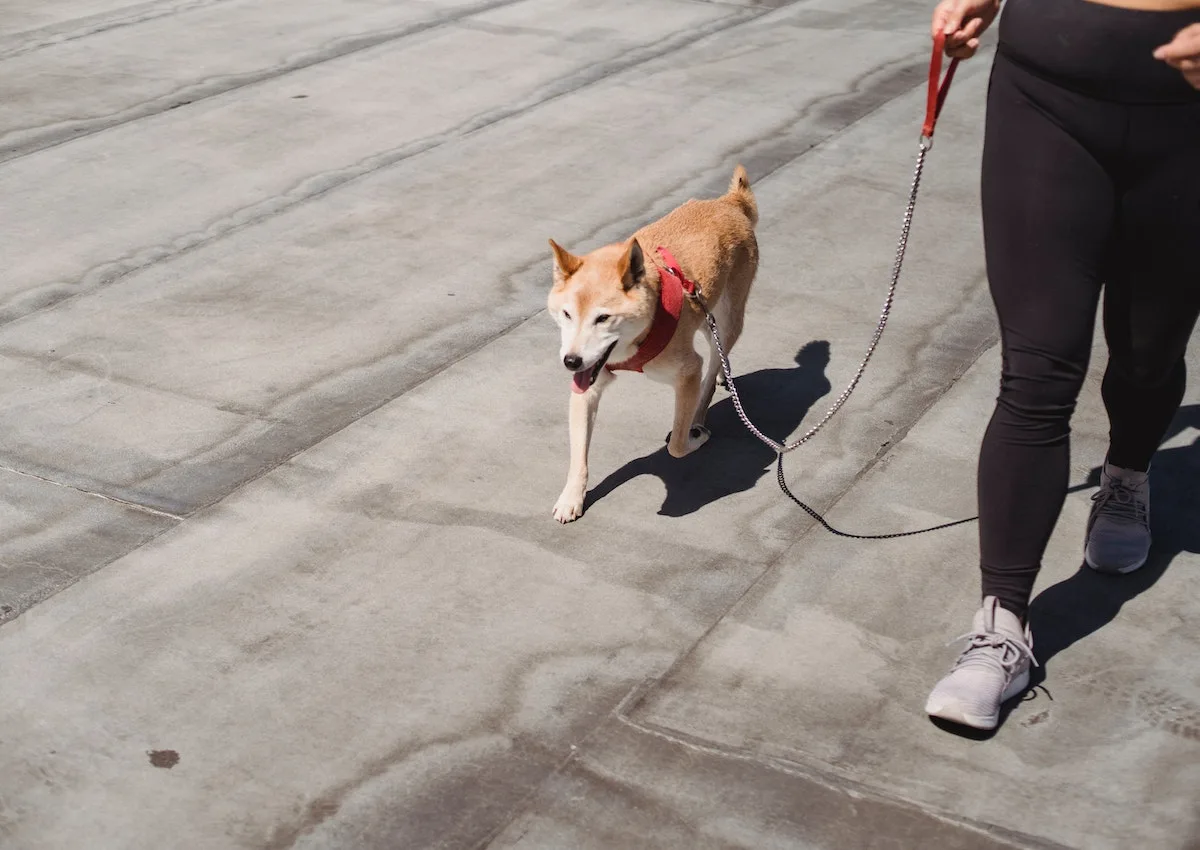
Shibas may not scream “snow dog,” but winter conditions suit them better than most people expect. Their thick double coat keeps them warm, and cold weather often brings out their playful side. Snowy walks feel more engaging to them, even if they pretend not to care. Winter seems to match their independent, outdoorsy nature.
12 Domestic Dogs That Could Be Mistaken for Wolves


There’s no denying the ancestry when it comes to these dogs. With their wild looks and majestic presence, these breeds could easily be mistaken for their wolf ancestors. From thick, double coats to piercing eyes, these dogs possess features that make them look like they just stepped out of the wild.
Read it Here: 12 Domestic Dogs That Could Be Mistaken for Wolves
9 Tips For Keeping Your Dog Safe And Happy During Winter Walks


Winter walks with your dog can be great—fresh air, a change of scenery, maybe even some snow to romp in—but they’re not without their challenges. Between freezing temps, icy sidewalks, and salt-covered streets, there’s a lot more to think about than just grabbing the leash. Keeping your dog safe and comfortable in these conditions takes a little extra effort.
Read it Here: 9 Tips For Keeping Your Dog Safe And Happy During Winter Walks
*Select images provided by Depositphotos.