
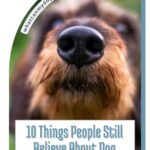
When it comes to dog care, everyone’s got an opinion—your neighbor, your mom, even the random person at the park. But not all advice is good advice, and some dog health myths just won’t die. From what your dog’s nose is telling you to whether they really need a toothbrush, these misconceptions can lead even the most well-meaning owners astray. Vets have heard it all, and they’re here to set the record straight.


A dry nose means your dog is sick


This one sends a lot of owners into panic mode, especially first thing in the morning. The truth is a dog’s nose goes through normal ups and downs throughout the day. Sleep, weather, time spent indoors, or even lying near a heat vent can leave it feeling dry or warm. Vets look at the whole picture instead. Appetite, energy, bathroom habits, and behavior changes matter far more than the state of a nose.
Garlic is a safe natural remedy for dogs


arlic gets a great reputation in human health circles, so it’s easy to assume it belongs in a dog’s routine too. For people, it’s often linked to immune support and heart health. Dogs don’t process it the same way. Even small amounts can damage red blood cells and raise the risk of anemia over time. What works well for us can be harmful for them, which is why “natural” doesn’t automatically mean dog safe. When it comes to supplements or home remedies, your vet is always the better source than the internet.
Tail wagging always means a happy dog


Most of us grew up thinking a wagging tail equals pure joy. In reality, it’s more like body language with multiple meanings. A stiff wag, a low wag, or a fast wag paired with tense posture can signal anxiety or overstimulation. Dogs communicate with their entire body. Paying attention to ears, posture, and context tells you much more than the tail alone.
A warm nose means your dog has a fever


This belief has been passed down forever, and it still trips people up. A dog’s nose can feel warm after sun exposure, exercise, or a long nap. None of that means illness. If you’re genuinely worried about a fever, the only reliable way to know is with a thermometer. It’s not glamorous, but it’s accurate.
Dogs don’t really need dental care


Dental care often gets pushed aside until there’s a bad smell or visible problem. By then, gum disease may already be doing damage beneath the surface. Plaque buildup can lead to pain, infections, and even issues that affect the heart or kidneys. Brushing feels unnecessary until you see the difference it makes. Once owners start, they usually wish they had done it sooner.
Bones are always safe for dogs to chew


There’s a lot of mixed messaging here, which keeps this myth alive. Cooked bones are especially dangerous because they splinter easily and can cause serious internal injuries. Even raw bones come with risks if they aren’t handled carefully. Supervision matters, and so does knowing your dog’s chewing habits. What works for one dog can be a disaster for another.
All table scraps are bad for dogs


This belief usually comes from good intentions. People want to keep their dogs safe, so they avoid sharing food altogether. In reality, some plain foods are perfectly fine in moderation. The problem starts with fatty leftovers, heavy seasoning, or toxic ingredients like onions and grapes. It’s not about never sharing. It’s about knowing what actually belongs in your dog’s bowl.
Dogs eat grass because they feel sick


Grass eating looks alarming, especially when it leads to vomiting. But many dogs graze simply because they like it or because they’re bored. It’s often just another odd habit. That said, constant grass eating paired with repeated vomiting is worth checking out. Like most things, context matters more than the behavior itself.
Spaying or neutering automatically causes weight gain


Weight gain after surgery gets blamed on the procedure, but it usually comes down to calories and activity. Hormonal changes can affect metabolism slightly, but they don’t force weight gain. Dogs still need movement and portion control, especially after recovery when routines shift. A few small adjustments make a big difference long term.
One dog year equals seven human years


This rule sticks in people’s brains because it’s simple, not because it’s accurate. Dogs age at different rates depending on size and breed. Smaller dogs often age more slowly, while larger dogs mature faster early on. Vets rely on more nuanced guidelines to assess aging, health risks, and care needs. The seven year rule might be easy to remember, but it doesn’t tell the full story.
10 Popular Dog Myths That Just Aren’t True


When it comes to man’s best friend, there’s no shortage of old wives’ tales and passed-down wisdom. But have you ever stopped to wonder which of these nuggets are true? We’re tackling some of the most popular dog myths and clearing up the misconceptions.
Read it Here: 10 Popular Dog Myths That Just Aren’t True
11 Myths About Dogs That Science Has Debunked


We all grew up hearing many of these old wives’ tales about dogs, but are they really true? Some of these myths have been passed down through generations, and it’s easy to accept them without question. However, science has taken a closer look at these beliefs, and the results might surprise you.
Read it Here: 11 Myths About Dogs That Science Has Debunked
*Select images provided by Depositphotos.