


Many people repeat the same advice about dogs without knowing if any of it is actually true. These ideas get passed down over time and start to sound like facts. But when you look closer, a lot of them don’t hold up. Some are outdated, others are misunderstandings. Believing them can lead to confusion about your dog’s behavior and needs. Here’s what the science says about the most common dog myths.


Dogs See Only in Black and White


This myth has been around forever, but it’s not accurate. Dogs don’t see the full spectrum of color like humans, but they’re not stuck in a black-and-white movie either. Their vision is more like someone who’s red-green colorblind—they can see blues and yellows, but reds and greens appear muted or gray. This helps them detect movement and shapes, but don’t expect them to appreciate the difference between a red ball and a green one.
A Dry Nose Means a Sick Dog


A dry nose is not a reliable sign of illness. Your dog’s nose might be dry because they just woke up, they’ve been lying in the sun, or the air is dry. While a consistently dry and cracked nose could indicate a problem, it’s not something to panic about on its own. What really matters is their behavior, appetite, energy level, and other physical signs of illness.
Dogs Eat Grass Because They’re Sick


Many people assume grass-eating means a dog has an upset stomach, but that’s only one possibility. Some dogs eat grass simply because they like the taste or texture, or because they’re bored. Others might do it as part of normal behavior inherited from their wild ancestors. Unless it’s happening obsessively or leads to vomiting every time, it’s usually not a cause for concern.
Old Dogs Can’t Learn New Tricks


Age doesn’t shut down a dog’s ability to learn. Older dogs might take a little longer to pick up something new, but they’re still capable of learning commands, routines, and even fun tricks. In fact, training can be a great way to keep their minds sharp and active as they age. The key is patience, consistency, and adjusting to their energy level.
A Wagging Tail Means a Happy Dog


Tail wagging is not a universal sign of happiness. It can mean a lot of things, including nervousness, frustration, alertness, or even a warning. The speed, height, and direction of the wag all provide clues to how a dog is feeling. Watching their full body language which includes their ears, posture, and facial expression will give you a much better read on their mood.
Dogs’ Mouths Are Cleaner Than Humans’


This one’s flat-out false. Dogs and humans both carry lots of bacteria in their mouths, and in most cases, it’s not the same kind. Just because a dog’s mouth has different bacteria doesn’t make it cleaner. They lick all kinds of things you don’t want to think about, so you might want to skip the face kisses, no matter how cute they are.
If a Dog is Wagging Its Tail, It’s Safe to Approach
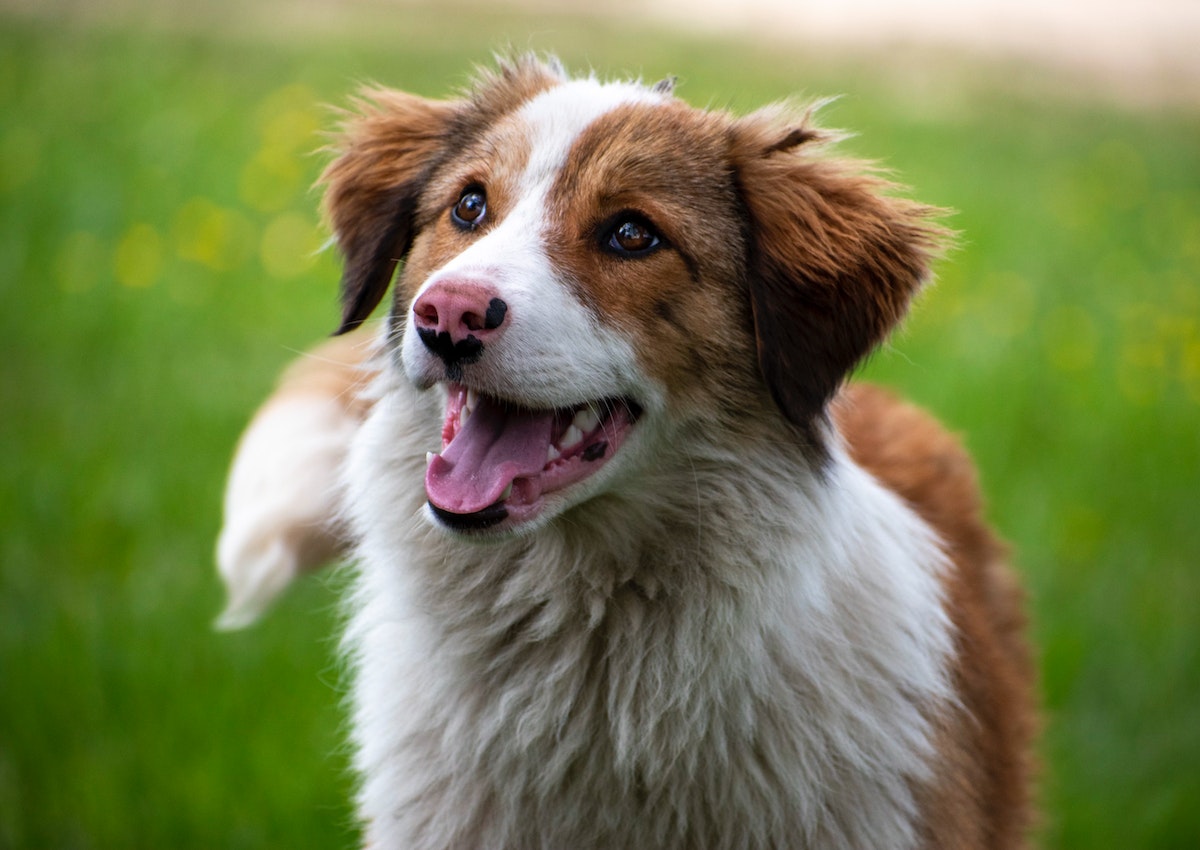

Tail wagging alone isn’t a green light to go in for pets. A wag can mean excitement, but it can also mean fear, stress, or agitation. Dogs might wag their tails before snapping or lunging if they feel cornered or anxious. Always check with the owner first, and look for other signs of comfort or tension before getting too close.
Dogs Howl Because They’re Lonely
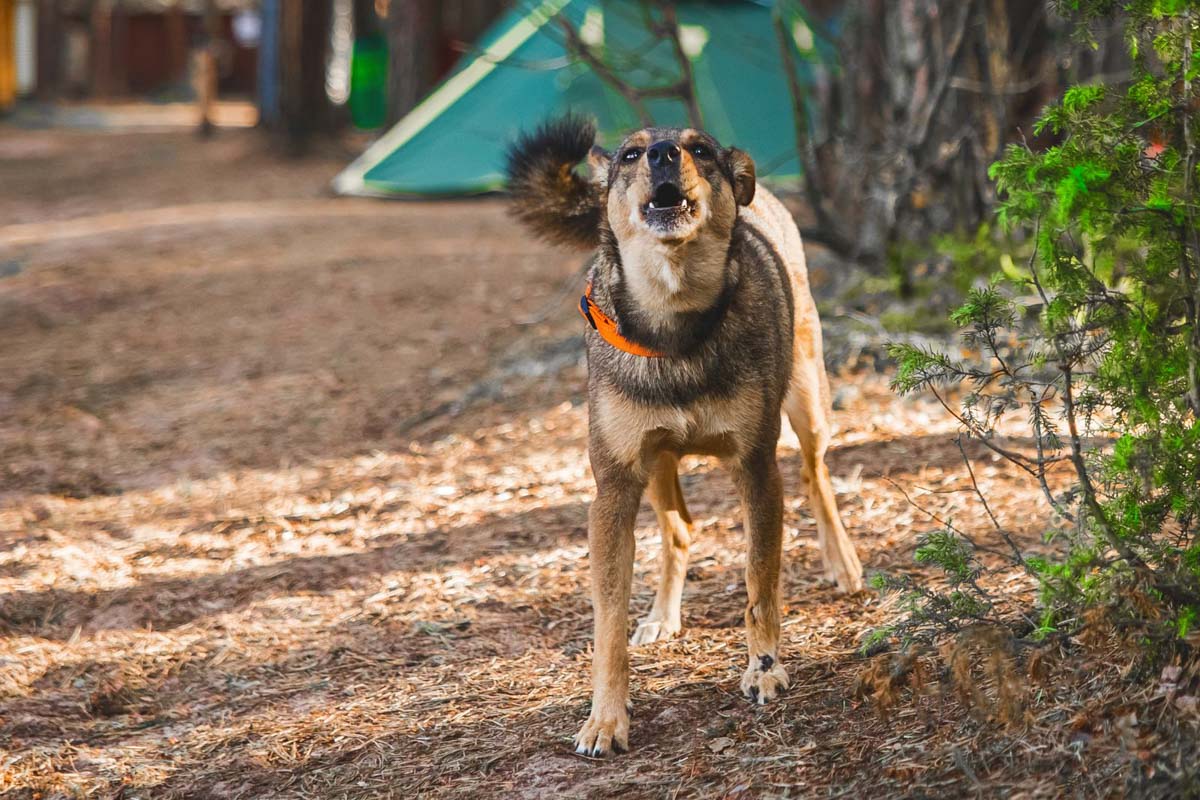

Howling can be a sign of loneliness, but it’s not the only reason dogs do it. Some howl in response to sirens, music, or other dogs. Others use howling as a way to alert their pack or express emotions like excitement or confusion. It’s a form of communication, and context matters more than the sound itself.
Table Scraps Are Good for Dogs


Feeding dogs from the table might feel harmless, but it can create bad habits and cause health problems. Many human foods are too fatty, salty, or toxic for dogs. Grapes, onions, cooked bones, and rich sauces are just a few common dangers. Even if the food isn’t toxic, regular scraps can throw off their nutrition and lead to obesity.
More Baths, Healthier Dog


Too much bathing can do more harm than good. Dogs have natural oils in their skin that protect their coat and keep their skin healthy. Over-bathing strips away those oils and can leave their skin dry, flaky, and irritated. Unless they roll in something gross, most dogs only need a bath every few weeks or months, depending on their breed and activity level.
The 10 Most Unexpectedly Intelligent Dog Breeds


When you think of intelligent dogs, certain breeds immediately come to mind. But intelligence isn’t just about following commands—it’s also about problem-solving and adaptability, traits that some lesser-known breeds exhibit in spades. The mental prowess of these ten breeds might just surprise you. Do you think you know the canine world’s hidden geniuses?
Read it Here: The 10 Most Unexpectedly Intelligent Dog Breeds
12 Pitbull Myths That Are Completely False


Pit Bulls often get a bad rap due to a lot of myths and misconceptions about their behavior and temperament. Many people think they know all about these dogs, but there’s a lot more to them than meets the eye. From their supposed aggression to their suitability as family pets, there are plenty of false beliefs that need debunking. Take a look at some common myths about the breed and learn the real truth.
Read it Here: 12 Pitbull Myths That Are Completely False