

Some dog breeds were developed for places where winter isn’t a season but more so a way of life. Snow, wind, and freezing temperatures were unavoidable so dainty, thin-coated dogs would never survive. These dogs go beyond tolerating harsh condition, they learned to function, work, and stay comfortable in them. Thick coats, strong builds, and steady endurance were all practical traits shaped by real needs in unforgiving environments.


Siberian Husky


Huskies were developed to work long hours in freezing temperatures, pulling sleds across snow and ice without burning out. Their double coat insulates them efficiently while still allowing heat regulation during movement. Owners in cold climates often notice how comfortable they seem outdoors even when people are bundled up. Winter tends to bring out their best energy rather than slowing them down.
Alaskan Malamute


Malamutes were bred for strength and endurance in Arctic conditions, especially for hauling heavy loads rather than speed. Their thick coats and solid frames help them conserve heat in extreme cold. They often seem most content when temperatures drop and outdoor activity increases. Cold weather suits their steady pace and working mindset.
Newfoundland


Newfoundlands were shaped by icy water and harsh coastal conditions, where rescue work demanded both strength and tolerance for cold. Their dense, water resistant coats and webbed feet make frigid water less intimidating. Owners often notice how unfazed they are by cold rain or snow. They handle winter conditions with calm confidence.
Bernese Mountain Dog


Berners come from cold Alpine regions where they worked farms and hauled carts through snow covered terrain. Their long coats provide insulation while their build supports steady physical effort. They often enjoy cool weather far more than heat. Cold climates allow them to stay active without discomfort.
Samoyed


Samoyeds were bred by nomadic people in Siberia to herd reindeer and live closely with humans in extreme cold. Their thick white coats trap warmth effectively and protect them from wind and snow. Owners often notice that winter brings out playful energy rather than fatigue. Cold weather feels familiar to them.
Great Pyrenees


These dogs were developed to guard livestock in high mountain regions with snow and freezing nights. Their dense coats and calm nature help them stay outside for long periods without stress. They tend to move comfortably through cold environments at their own pace. Harsh weather rarely seems to bother them.
Akita


Akitas originated in Japan’s colder regions, where they hunted and guarded in snowy terrain. Their thick coats and strong builds help them retain warmth and move confidently on icy ground. Owners often find they’re far more comfortable in winter than summer. Cold conditions match their composed demeanor.
Norwegian Elkhound


This breed was shaped by Scandinavia’s cold forests and rugged landscapes. Their weather resistant coats and stamina allow them to handle snow, wind, and freezing temperatures with ease. They tend to stay active in winter rather than slowing down. Cold climates suit their endurance driven nature.
Tibetan Mastiff


Tibetan Mastiffs were bred to guard livestock in high altitude regions with extreme cold and harsh winds. Their thick coats and large frames help them conserve heat overnight. Owners often notice they prefer cooler temperatures and open spaces. Cold weather aligns with their natural instincts.
Chow Chow


Chow Chows developed in northern China where cold weather was common. Their dense double coats provide insulation against snow and wind. While they may not seek constant activity, they tolerate winter conditions well. Cooler climates tend to suit their comfort level.
Finnish Lapphund


This breed worked alongside reindeer herders in Arctic regions, moving steadily through snow for long hours. Their thick coats and adaptable temperaments help them handle severe cold. Owners often see them thrive during winter outings. Cold environments support their working heritage.
Karelian Bear Dog


Developed in Finland, this breed was used for hunting large game in icy forests. Their dense coats and resilience help them withstand freezing temperatures. They often appear alert and comfortable in snow covered landscapes. Cold climates match their high stamina.
Shiba Inu

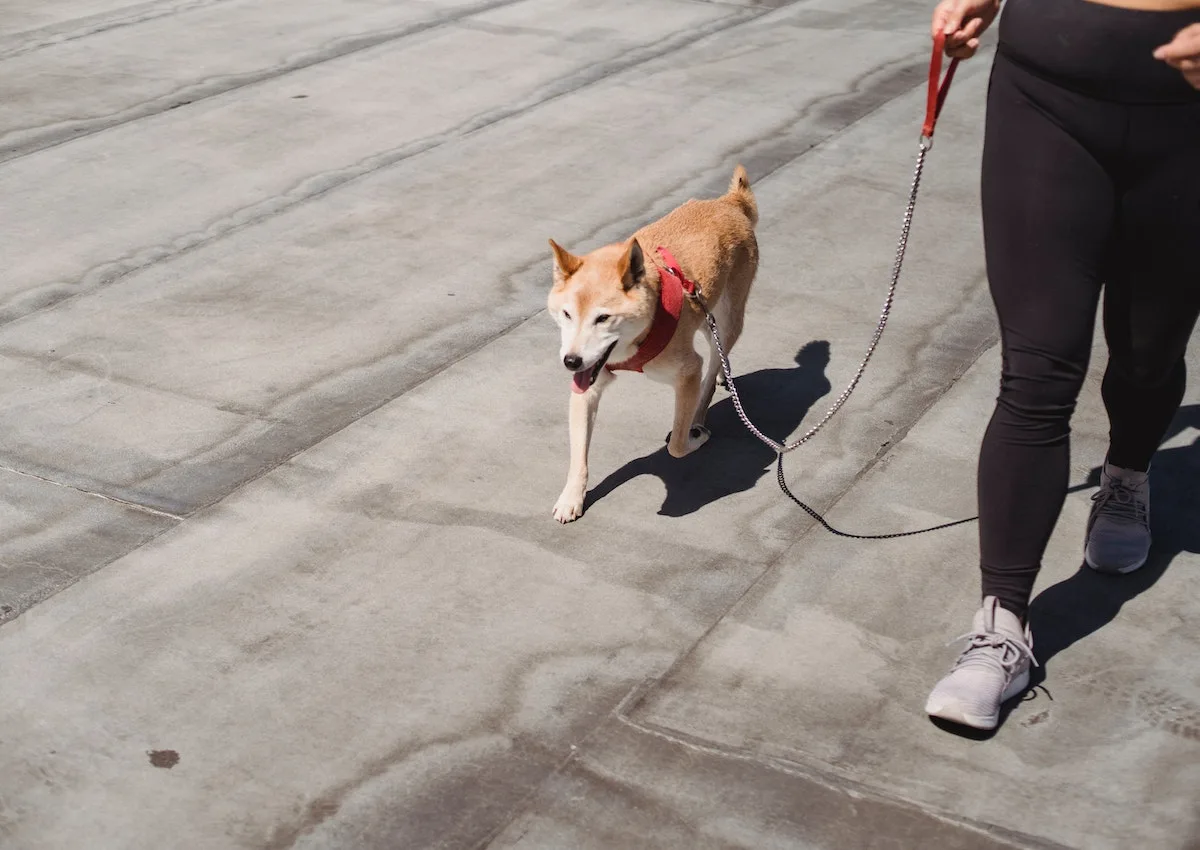
Shiba Inus were bred to hunt in mountainous regions of Japan where winters could be harsh. Their plush coats offer protection against cold and moisture. They tend to move confidently through snow and uneven terrain. Cooler weather often suits their activity level better than heat.
Canadian Eskimo Dog


One of the oldest Arctic breeds, these dogs were essential for survival in extreme cold. They hauled sleds, hunted, and lived outdoors in freezing conditions. Their thick coats and endurance allow them to function where most breeds would struggle. Cold climates feel natural to them.
Icelandic Sheepdog


Icelandic Sheepdogs were bred to herd livestock in a harsh island climate with long winters. Their water resistant coats and steady energy help them stay active despite snow and wind. Owners often notice how comfortable they seem outdoors year round. Cold weather rarely slows them down.
13 Dogs That Are Not Cut Out For Cold Winter Climates


Just like people, some dogs love the cold, while others would rather skip winter altogether. Some breeds are like those friends who’d happily trade snowflakes for a tropical beach or a cozy spot by the fireplace. These dogs aren’t built for icy weather—whether it’s due to their thin coats, smaller size, or lack of body fat, they feel the chill fast. If you’re in a colder climate and thinking of bringing one of these breeds home, be ready for some serious bundling up.
Read it Here: 13 Dogs That Are Not Cut Out For Cold Winter Climates
9 Tips For Keeping Your Dog Safe And Happy During Winter Walks


Winter walks with your dog can be great—fresh air, a change of scenery, maybe even some snow to romp in—but they’re not without their challenges. Between freezing temps, icy sidewalks, and salt-covered streets, there’s a lot more to think about than just grabbing the leash. Keeping your dog safe and comfortable in these conditions takes a little extra effort.
Read it Here: 9 Tips For Keeping Your Dog Safe And Happy During Winter Walks
*Select images provided by Depositphotos.