

Some dogs are fine with a short walk and plenty of downtime. Others need much more activity to stay content. These breeds were developed for long days of movement and demanding work, and that history still shows up today even though they now reside in your living room. Living with one of these breeds means planning regular exercise into your routine. They tend to do best with owners who enjoy staying active and spending time outdoors.


Siberian Husky


Huskies were bred to travel long distances at a steady pace, often in harsh conditions, and that endurance still shows up today. They don’t tire easily and they don’t do well with minimal exercise. Owners usually find that short walks barely make a dent. Without enough movement and mental engagement, Huskies tend to create their own outlets, which often means trouble.
Border Collie


Border Collies were bred to work livestock for hours at a time, often reacting to subtle movements most people wouldn’t even notice. That background shows up as constant awareness and a strong need to stay busy. They don’t switch off easily, even indoors. Owners often realize that physical exercise alone isn’t enough and that mental engagement matters just as much.
German Shorthaired Pointer


This breed was designed for long hunting days that involved running, tracking, and retrieving across different terrain. Their energy feels steady and athletic rather than frantic. They tend to do best with people who enjoy being outdoors regularly, not occasionally. Without enough activity, they can become restless in ways that are hard to ignore.
Australian Shepherd


Australian Shepherds developed on working ranches where movement never really stopped. They’re quick, alert, and always looking for something to manage or organize. In a home setting, that often translates to shadowing their people and staying involved in everything happening around them. They need structure or they’ll invent their own version of a job.
Belgian Malinois


Malinois were bred for demanding work that required stamina, focus, and quick response. They’re capable of going for long stretches without slowing down, especially when they’re engaged with a task. Owners usually notice that downtime doesn’t come naturally to them. Consistent training and activity help channel that energy into something manageable.
Labrador Retriever


Labs earned their endurance through long hours of retrieving in cold water and rough conditions. That background explains why they can swim, play, and work far longer than most people expect. Even as family dogs, they often need more movement than their easygoing personalities suggest. They stay happiest when they get regular chances to stay active.
Vizsla


Vizslas were bred to hunt alongside people all day, which shaped both their stamina and their strong attachment to humans. They like to stay close while still covering a lot of ground. Owners often find that they’re eager for long walks, runs, or hikes and don’t fade quickly. Being active together tends to strengthen the bond.
Jack Russell Terrier


Jack Russells were built for chasing prey out of tight spaces, which required speed, persistence, and confidence. Even though they’re small, their energy can easily fill a room. They don’t tire quickly and they don’t enjoy being idle. Owners often learn that boredom leads to mischief with this breed.
Rhodesian Ridgeback


Ridgebacks were bred to track game over long distances, sometimes in extreme heat. They tend to conserve energy indoors but can cover impressive ground once they’re moving. Owners often notice that they have a calm presence until something catches their interest. When that happens, their stamina becomes very clear.
Weimaraner
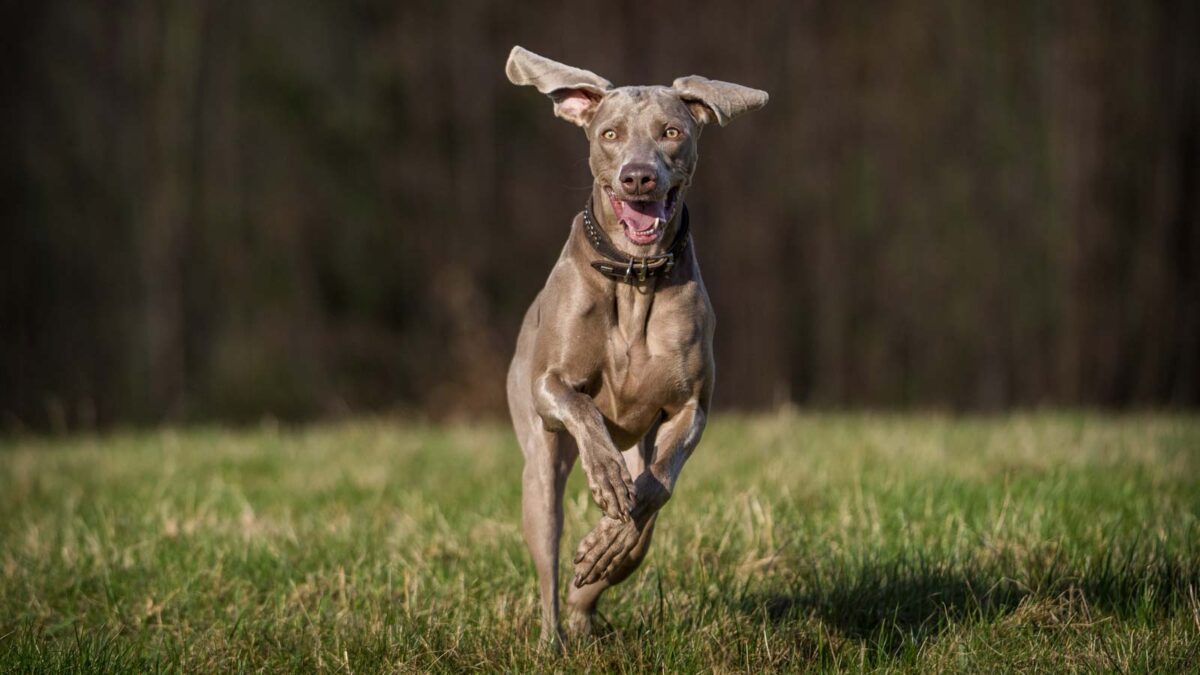
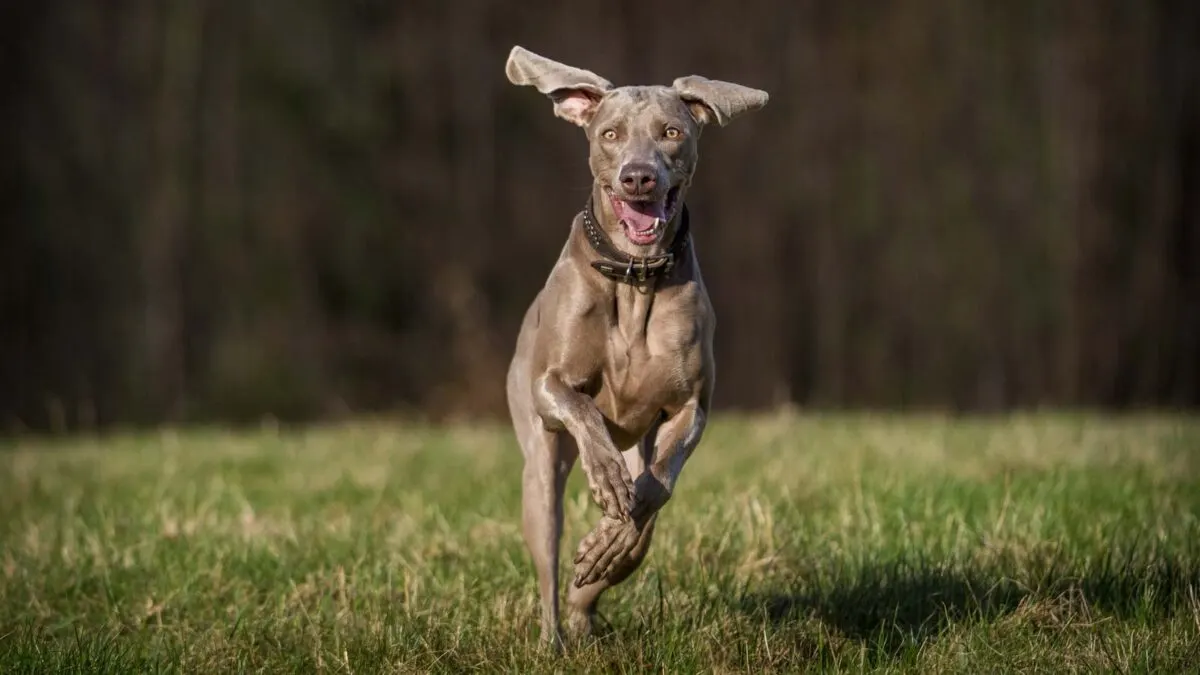
Weimaraners were bred for extended hunts that required speed and endurance over hours, not minutes. They thrive with consistent physical activity and don’t adapt well to a sedentary routine. Owners often describe them as always ready to go, especially when it comes to outdoor time. Without enough movement, they can become anxious or restless.
Alaskan Malamute


Malamutes were developed for heavy hauling rather than speed, often traveling long distances in cold environments. Their endurance shows up as a steady ability to keep moving without wearing down quickly. Owners often find that they need space and regular exercise to stay balanced. When their physical needs are met, they tend to settle more easily.
12 Dogs That Love To Run Away And Explore


had that heart-stopping moment when you realize your dog has gone on an unexpected adventure? Some dogs are more prone to pulling a Houdini than others. Certain breeds just can’t resist the call of the wild. If you have one of these escape artists, you know the drill – double-checking gates, reinforcing fences, and sometimes, just crossing your fingers.
Read it Here: 12 Dogs That Love To Run Away And Explore
15 Hunting Dogs That Are Born To Track And Retrieve


When it comes to hunting, having the right dog by your side can make all the difference. Whether you’re out tracking game or retrieving ducks from a pond, a good hunting dog is more than just a companion—they’re your partner in the field. But with so many breeds to choose from, how do you know which one is the best fit? We’ve rounded up a list of dogs that are born to track and retrieve, each with their own unique skills and personalities.
Read it Here: 15 Hunting Dogs That Are Born To Track And Retrieve
*Select images provided by Depositphotos.