


Just like people, some dogs love the cold, while others would rather skip winter altogether. Some breeds are like those friends who’d happily trade snowflakes for a tropical beach or a cozy spot by the fireplace. These dogs aren’t built for icy weather—whether it’s due to their thin coats, smaller size, or lack of body fat, they feel the chill fast. If you’re in a colder climate and thinking of bringing one of these breeds home, be ready for some serious bundling up.


Chihuahua


Chihuahuas might have big personalities, but they have tiny bodies with almost no fat to insulate against the cold. Their short, thin coats do nothing to trap warmth, so they’ll start shivering at the slightest chill. In winter, these little guys need layered protection and can get uncomfortable quickly outdoors—even with a sweater, they’re better suited to indoor snuggles.
Greyhound


Greyhounds are built for speed, not insulation. Their lean, muscular frames and short, smooth coats don’t hold in body heat, which makes them extra sensitive to cold temperatures. These gentle giants do best in warmer climates or cozy indoor environments, where they can lounge comfortably. When winter hits, you’ll see them gravitate toward heated spots and warm blankets.
Whippet


Whippets, close cousins to Greyhounds, share the same sleek, low-fat bodies and minimal coats, which offer almost no protection against the cold. While they enjoy a good sprint, winter weather can be tough for them—they’ll need jackets and limited outdoor time. When it’s cold, Whippets are known to nest indoors, often burrowing under blankets to stay warm.
Dachshund
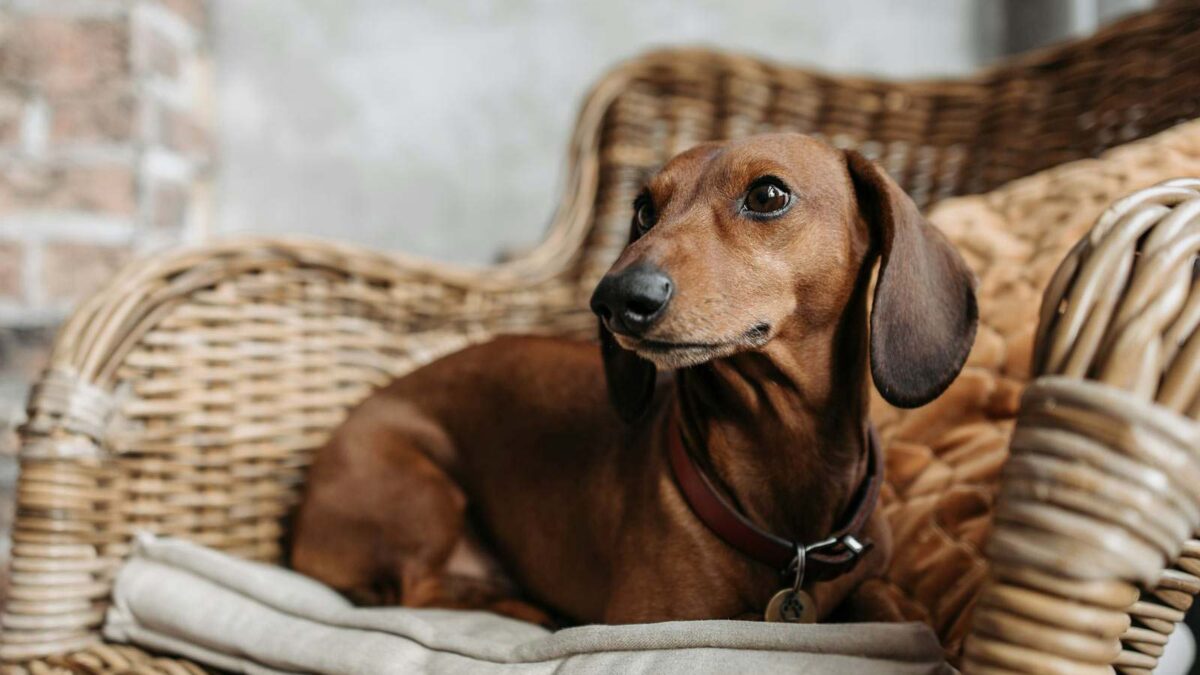
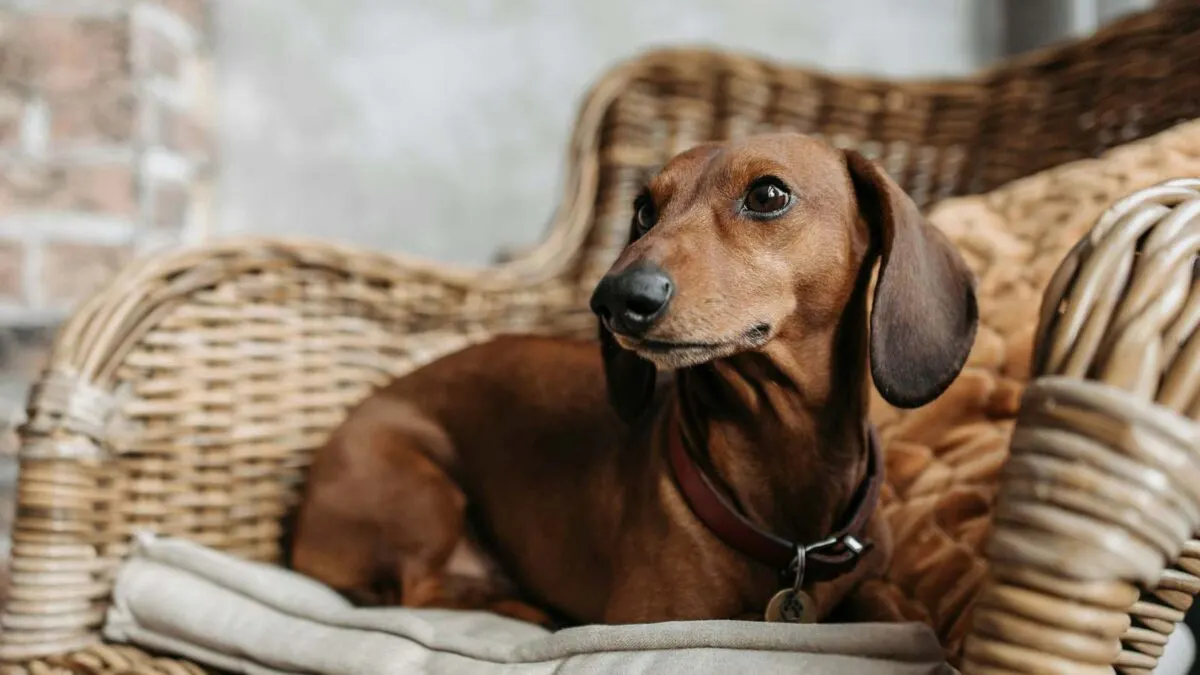
Dachshunds may be fearless in personality, but their small bodies and short legs make them prone to feeling the cold. With low ground clearance, they get chilly faster, especially in snow. Their short coats don’t help, leaving them vulnerable to cold weather unless they’re bundled up. This breed is far happier indoors when temperatures drop.
Chinese Crested


With their naturally hairless bodies, Chinese Cresteds are especially sensitive to cold weather. They lack the fur coat most dogs rely on for insulation, so they’re quick to shiver and often need layers or blankets. Even a mild chill can be uncomfortable for them, so they’re best suited to temperate climates or warm indoor environments.
Italian Greyhound


Italian Greyhounds are even smaller and slimmer than standard Greyhounds, making them even more sensitive to the cold. Their skin is thin, and they have almost no body fat, meaning they need sweaters or jackets when the temperature drops. Winter is definitely not their season—they’d much rather be snuggled up indoors than braving the snow.
Boston Terrier


Boston Terriers have short, smooth coats and brachycephalic (flat) faces, which make it hard for them to tolerate extreme temperatures. Their fur isn’t dense enough for insulation, and their noses make it hard to breathe in cold air. They’re far better suited to a cozy indoor life in winter, with maybe a few brief walks in warmer hours.
French Bulldog


Frenchies are sensitive to both heat and cold, partly due to their flat faces and short coats. Without a thick coat or extra body fat, they can quickly become uncomfortable in winter weather. They’re prone to shivering and can struggle to breathe in the cold, so they need protective gear and limited outdoor time in chilly climates.
Miniature Pinscher


Min Pins are full of energy but have thin, short coats that don’t stand up well to cold weather. Their lean bodies offer little natural insulation, so they often need jackets or sweaters in the winter. These spirited pups are better suited to indoor play when it’s cold, as they can get uncomfortable outside faster than many breeds.
Chinese Shar-Pei


While Shar-Peis have loose, wrinkled skin, their coats are surprisingly short and sparse, making them ill-equipped for cold climates. They’re sensitive to both extreme heat and cold, which can dry out their skin or make them prone to chills. A warmer climate or a nice heated spot indoors is where these dogs are happiest during winter.
Boxer


Boxers have short, thin coats that provide almost no insulation in cold weather, and their muscular, lean builds mean they lack the body fat that would help keep them warm. They’re prone to shivering when temperatures drop and need warm clothing if they’re heading outdoors. Boxers prefer short outdoor trips in winter and cozy spots indoors to stay comfortable.
Pug
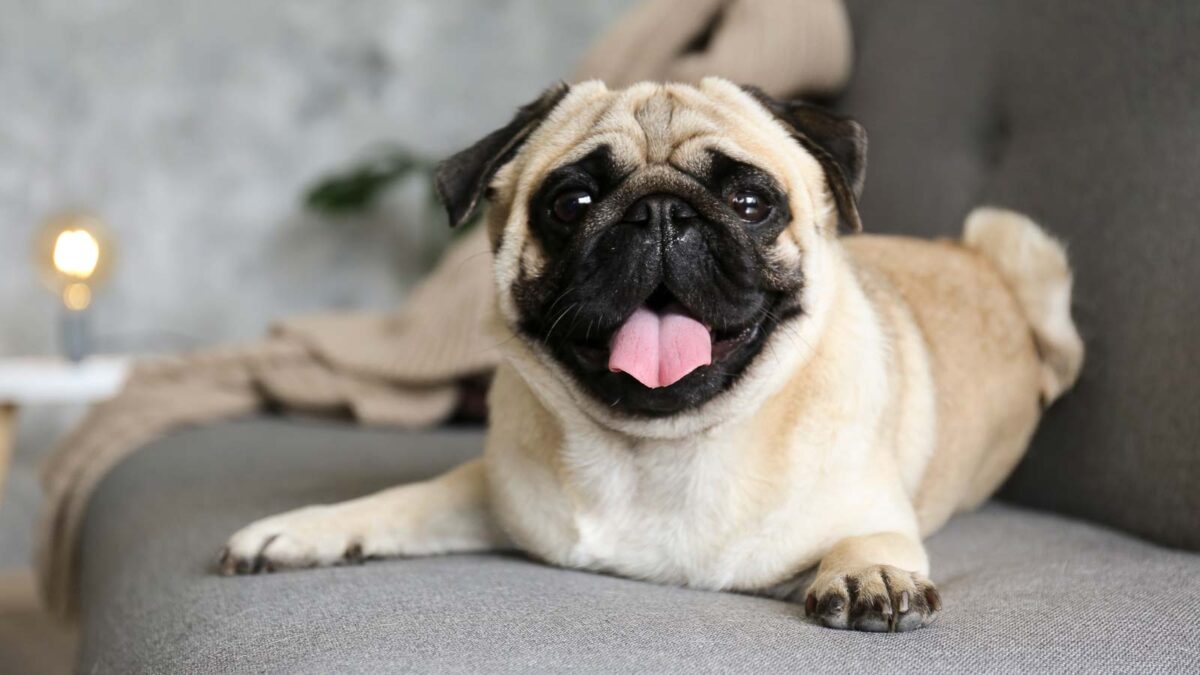

Pugs have short snouts, which makes it harder for them to breathe in extreme temperatures, and their thin coats aren’t well-suited for keeping heat in. This combination makes winter weather challenging for Pugs, who are happiest with brief walks and cozy blankets. A jacket is a must if they’re venturing outside in colder climates.
Maltese


Although they have long, silky coats, Malteses lack the thick undercoat needed for warmth in winter. Their small, lightweight frames mean they lose heat quickly, and their delicate coats aren’t enough to keep them warm in snow or wind. In chilly weather, they’re more content inside, wrapped in blankets and far from icy temperatures.
11 Dogs That Just Can’t Handle The Heat


When the summer heat rolls in, it’s not just humans who feel the burn—our dogs do too. Certain breeds, especially those with short snouts or thick coats, can struggle to keep cool when temperatures soar. To help your pup stay comfortable and safe, it’s crucial to know which breeds are most at risk and how to manage their heat exposure. Here are some of the dogs that need extra care during those hot days so if your pet is on the list, make sure to pay extra care during the hottest time of the year.
Read it Here: 11 Dogs That Just Can’t Handle The Heat
11 Tips For The Perfect Hike With Your Four-Legged Buddy


Planning a hiking trip with your dog can be one of the most rewarding experiences you share together, but it’s not as simple as just hitting the trails. To make sure both you and your furry friend have a safe and enjoyable time, you’ll need to prepare properly. From checking trail rules to packing the right essentials, here are 11 practical tips to help you both get the most out of your outdoor adventure. Get ready to create some unforgettable memories with your four-legged buddy!
Read it Here: 11 Tips For The Perfect Hike With Your Four-Legged Buddy