

Some dog breed names offer a clear clue about where they came from, tying each dog to a specific place, climate, or way of life. In many cases, those names aren’t decorative but practical, shaped by the environments and cultures that influenced how the breeds developed. Geography often played a direct role in their size, coat, and working style, especially for dogs bred to handle tough conditions. From mountains and coastlines to wide open plains and frozen regions, place mattered in very real ways.


Australian Shepherd


Despite the name, this breed didn’t come from Australia at all, making it the plot twist of the list. It developed in the United States and picked up its name from Basque shepherds who passed through Australia on their way with sheep. The name stuck even as the breed became firmly rooted in American ranch life. Sometimes a dog’s name tells a travel story, not a birthplace.
Bernese Mountain Dog


This breed takes its name directly from the Bern region of Switzerland. It was developed to work in alpine conditions, hauling carts and managing livestock in cold, mountainous terrain. The name tells you exactly where its sturdy build and calm temperament came from. Everything about this dog points back to its Swiss roots.
Siberian Husky


The Husky’s name leaves little room for guesswork. This breed originated in Siberia, where it was bred by the Chukchi people to pull sleds over long distances in extreme cold. Its endurance, thick coat, and efficient movement all reflect that environment. The name serves as a clear marker of its Arctic origin.
Newfoundland


Named for the Canadian island where it was developed, this breed worked alongside fishermen in cold coastal waters. The name reflects both geography and purpose. These dogs hauled nets, retrieved lines, and helped with water rescues. Their size and swimming ability make sense once you know where they came from.
Rhodesian Ridgeback


This breed gets its name from the former region of Rhodesia, now Zimbabwe. It was developed in southern Africa to hunt and protect in a demanding climate. The ridge of hair along its back is distinctive, but the name itself ties the breed directly to its place of origin. It reflects a history shaped by heat, distance, and rugged terrain.
Tibetan Mastiff


The name points straight to the Himalayan region of Tibet, where this breed guarded livestock and property in harsh conditions. Its thick coat and imposing size developed to handle cold temperatures and predators. The breed’s calm but watchful nature reflects its original role.
Alaskan Malamute


This breed is named after the Mahlemut people of Alaska, who relied on these dogs for transportation and survival. The name connects the dog directly to Indigenous culture and Arctic life. Their strength and endurance come from generations of work in snow and ice.
Irish Setter


The Irish Setter’s name reflects both its country of origin and its role as a hunting dog in Ireland’s countryside. It was bred to locate game birds across open fields. The breed’s athletic build and love of space match the landscape that shaped it.
Norwegian Elkhound


This breed originated in Norway and was used to hunt large game like elk in cold forests. Its compact build and weather resistant coat make sense given the environment. The name combines location and function, pointing to both place and purpose.
Australian Cattle Dog


This breed was developed in Australia to manage cattle across vast, rough terrain. Its name reflects both the country and the job it was bred to do. Toughness, intelligence, and endurance were necessary traits.
Afghan Hound


The Afghan Hound takes its name from Afghanistan, where it hunted in mountainous regions. Its long coat protected it from cold nights and rough terrain. The breed’s speed and agility reflect the landscape it came from. The name captures both elegance and environment.
Carolina Dog


This breed is named for the Carolinas in the southeastern United States, where it has lived for centuries. Often referred to as the American Dingo, it reflects a population shaped by the region’s forests and swamps. The name ties it to a specific part of the country but also hints at its survival driven history.
Pyrenean Shepherd


This breed comes from the Pyrenees Mountains between France and Spain. It was bred to herd sheep across steep, rugged terrain. The name tells you exactly where its agility and endurance developed. It’s a straightforward connection between landscape and ability.
13 Quintessentially Patriotic Dog Breeds That Scream ‘Made In America’


America has given the world some unforgettable dog breeds, each with its own unique flair and purpose. These dogs represent everything from hard work and adventure to pure charm and loyalty. Whether bred to haul sleds in the Arctic, hunt game in the South, or simply keep families company, they’re as diverse as the country itself. With bold personalities and fascinating histories, these breeds capture the essence of what makes a dog not just a pet, but a true companion.
Read it Here: 13 Quintessentially Patriotic Dog Breeds That Scream ‘Made In America’
The Most Ridiculous Dog Breed Names You’ve Ever Heard

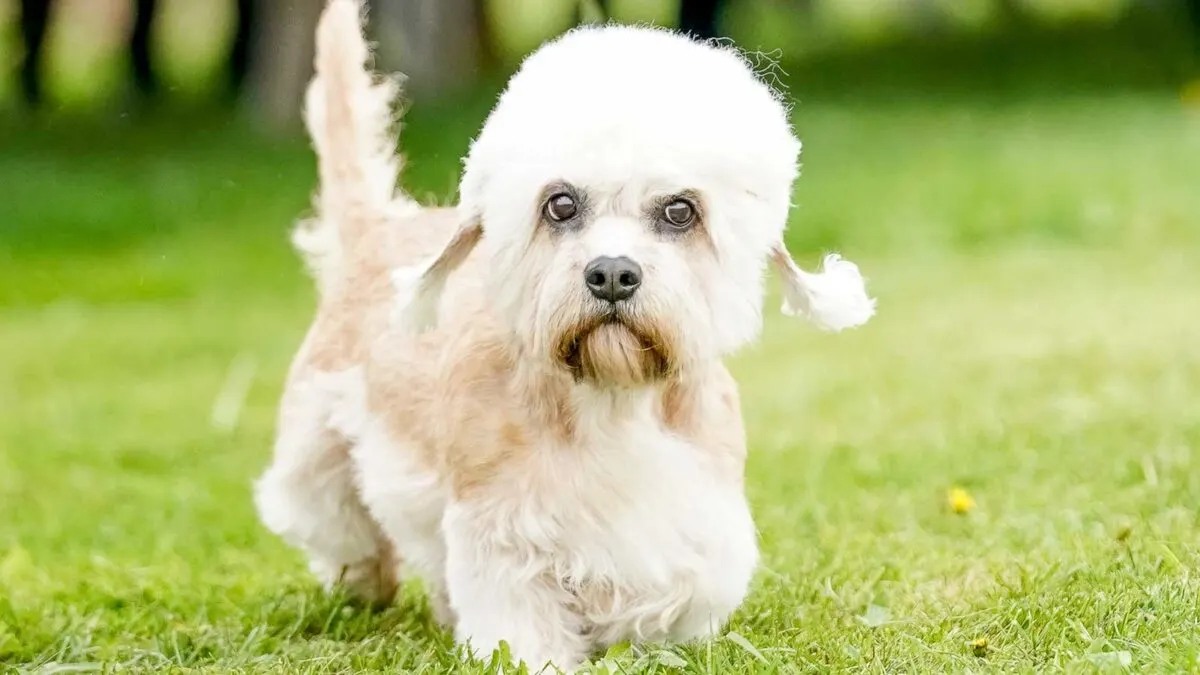
Dog breeds come in all shapes and sizes, but some of their names are downright hilarious. Imagine telling someone you own a dog with a name that sounds like a character from a comedy show or a fancy dessert. It’s not just their looks and personalities that make these dogs unique; their names will definitely get a laugh too.
Read it Here: The Most Ridiculous Dog Breed Names You’ve Ever Heard
*Select images provided by Depositphotos.