
Dogs run across rough ground, chew things they probably shouldn’t and investigate just about everything with their noses. Most of the time that curiosity doesn’t cause any real trouble, but every now and then it leads to a situation that needs quick attention and knowing how to react as their owner can save a lot of anxiety and money. Some problems are minor and manageable at home, while others need immediate veterinary care. Learning how to recognize what you’re looking at and taking calm, practical steps while you decide whether professional help is necessary can make the difference between a small problem and a much bigger one.


Cuts or injuries to the paw pads


Dogs’ paw pads are tough, but they can still get cut or scraped when running across rough surfaces, sharp gravel or broken glass. When a dog suddenly starts limping after outdoor activity, the paws are often the first place to check.
Gently examine the paw for debris and rinse the area with warm water to remove dirt or small particles. Once the wound is clean, applying a mild antiseptic and covering the area with a breathable bandage can help protect it while it heals. If the cut is deep, continues bleeding or shows signs of infection such as swelling or discharge, veterinary care is the safest next step.
Broken or torn toenails


Toenails can snag on carpets, pavement or uneven ground, sometimes tearing painfully close to the quick. When this happens, dogs may limp, lick the paw constantly or leave small spots of blood behind.
Stopping the bleeding is the first priority. Styptic powder, cornstarch or firm pressure with a clean cloth can help slow the bleeding. Any sharp edges should be trimmed carefully to prevent further tearing. If the nail is badly damaged or detached near the base, a veterinarian may need to treat the area and prevent infection.
Muscle strains or joint injuries


A sudden limp after running or jumping can point to a strain or sprain. Dogs may avoid putting weight on the affected leg or appear stiff when standing up after resting.
Limiting movement for a day or two often helps mild strains settle down. Cold compresses applied for short periods can reduce swelling in the early stages. If the dog refuses to use the leg, swelling increases or the limp lasts longer than a day, a veterinary exam is important to rule out fractures or ligament damage.
Reactions to insect stings or bites


Bees, wasps and other insects can cause painful stings that lead to swelling or irritation. Dogs often react by licking or pawing at the area, especially if the sting occurred on the face or paws.
If the stinger is still present, it can be removed carefully by scraping it away. Applying a cold compress helps reduce swelling and discomfort. Monitoring the dog closely is important, as some dogs develop allergic reactions that include facial swelling, vomiting or breathing difficulty. Those symptoms require immediate veterinary care.
Objects stuck in the digestive system
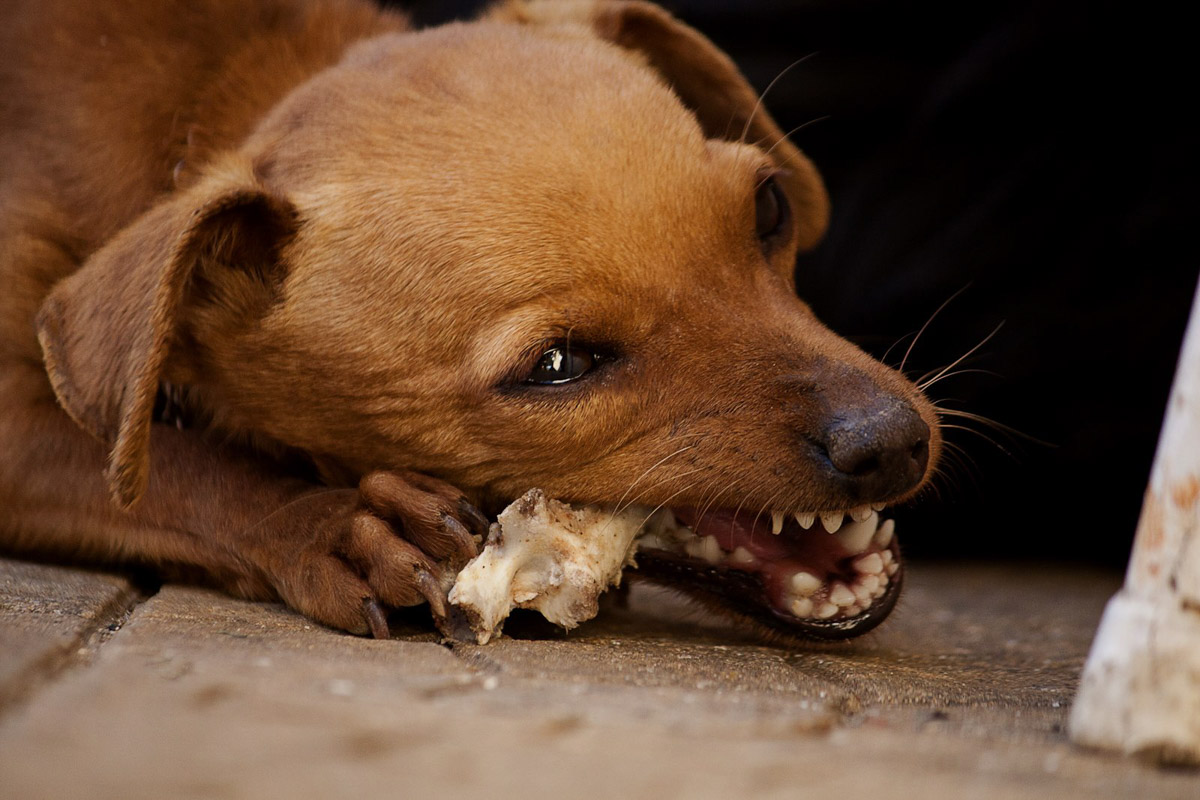

Dogs occasionally swallow things that should never have been eaten in the first place. Toys, bones, socks or other small objects can become lodged in the digestive tract and create a blockage.
Signs may include repeated vomiting, drooling, loss of appetite or difficulty passing stool. If a blockage is suspected, it’s important not to induce vomiting without veterinary guidance, as sharp objects can cause additional damage. Veterinary imaging is usually needed to determine whether the object will pass or needs to be removed.
Painful ear infections


Ear infections are common in many dogs, especially breeds with floppy ears or dogs that swim frequently. Symptoms often include persistent scratching, head shaking or a noticeable odor coming from the ear.
Cleaning the outer ear with a veterinarian-approved solution can help remove debris, but infections typically require medication to resolve fully. Untreated ear infections can become more painful and harder to treat, so early attention is important.
Overheating and heat exhaustion


Hot weather and heavy exercise can quickly lead to overheating, particularly for dogs with thick coats or short noses. Early warning signs include excessive panting, drooling, weakness and bright red gums.
Moving the dog into a shaded or cool area should happen immediately. Offering small amounts of water and gradually cooling the body with lukewarm water can help lower body temperature. Because heatstroke can progress rapidly, veterinary care is often necessary even if the dog appears to recover.
Eye irritation or injury


Eyes are sensitive and easily injured by dust, debris or scratches during play. A dog with an eye problem may squint, paw at the eye or produce excessive tears.
Flushing the eye gently with sterile saline can help remove minor debris. However, persistent redness, swelling or cloudiness should be evaluated by a veterinarian. Eye injuries can worsen quickly if left untreated.
Exposure to toxic substances


Dogs can encounter toxins both inside and outside the home. Foods like chocolate or grapes, artificial sweeteners such as xylitol and household cleaners can all cause serious health problems if ingested.
If poisoning is suspected, contacting a veterinarian or poison control line immediately is essential. Attempting home remedies without guidance can sometimes make the situation worse. Quick action gives veterinarians the best chance to counteract the toxin.
Bite wounds from other animals


Fights between animals can leave puncture wounds that look minor on the surface but run deeper under the skin. Dogs may show swelling, tenderness or signs of pain around the affected area.
Cleaning the wound and applying pressure to stop any bleeding can help initially, but many bite wounds require veterinary treatment. Bacteria introduced during the bite can lead to infection if the injury isn’t properly cleaned and treated with antibiotics.
10 Essential First Aid Tips Every Dog Owner Should Know


As a dog owner, being prepared for emergencies is as crucial as daily walks and feeding. Whether it’s a minor injury or a more serious condition, knowing first aid can be a lifesaver for your furry friend. From learning how to perform CPR to assembling a first aid kit, these tips will equip you with the essential knowledge to handle common emergencies so you can act swiftly and keep your dog safe.
Read it Here: 10 Essential First Aid Tips Every Dog Owner Should Know
11 Super-Healthy Dog Breeds That Rarely Need A Vet Visit


Sick of spending more time at the vet than at the dog park? Some dogs are just built tougher and won’t have you stressing over constant health issues. These breeds are known for being low-maintenance in the health department, so you can focus on the fun stuff—like actual walks, not waiting room visits.
Read it Here: 11 Super-Healthy Dog Breeds That Rarely Need A Vet Visit
*Select images provided by Depositphotos.