

Most dogs are eager to get outside, sniff everything in sight and stretch their legs, which is why it can be confusing when they suddenly stop walking and refuse to move. From a human perspective it might look like stubbornness, but dogs rarely shut down a walk without a reason. Something in their environment, their body or their emotional state is usually behind it.
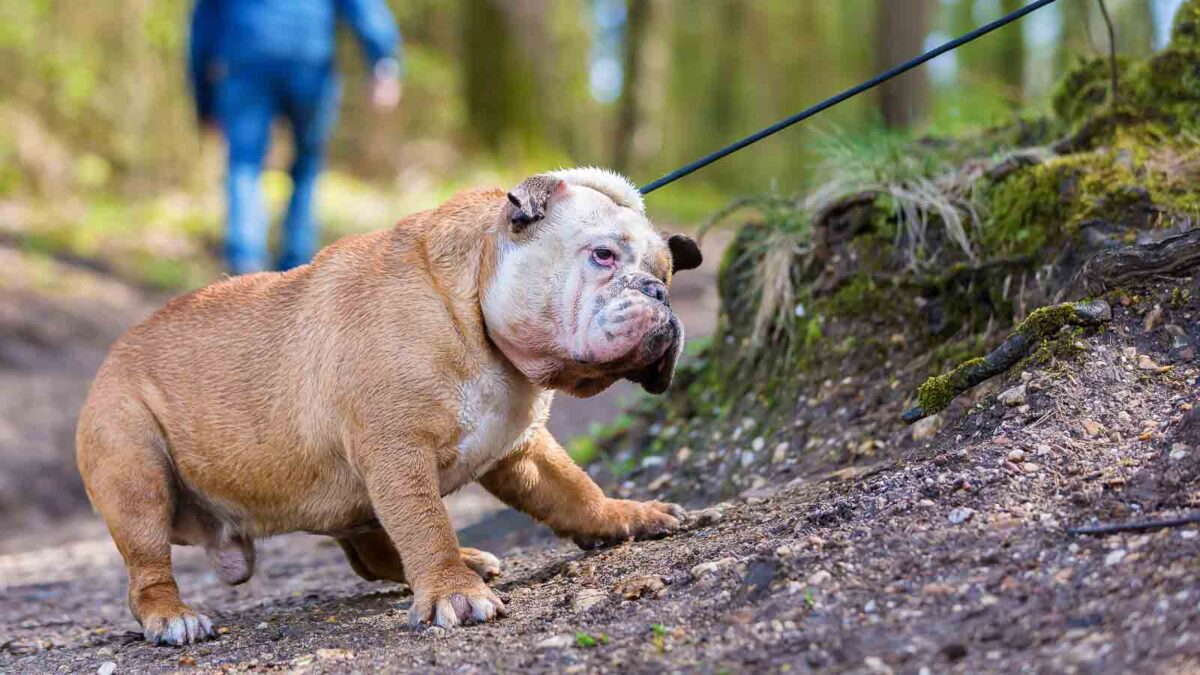

They freeze and refuse to move forward


When a dog suddenly plants their feet and refuses to move, it’s often because something in their surroundings feels unfamiliar or unsettling. A new smell, a loud sound or even a change in the usual walking route can make them pause while they try to process what’s happening.
Dogs rely heavily on their senses to assess safety. If something seems questionable, stopping gives them time to observe and evaluate before continuing. Pulling them forward too quickly can increase their anxiety instead of helping them feel more comfortable.
They keep glancing back toward home
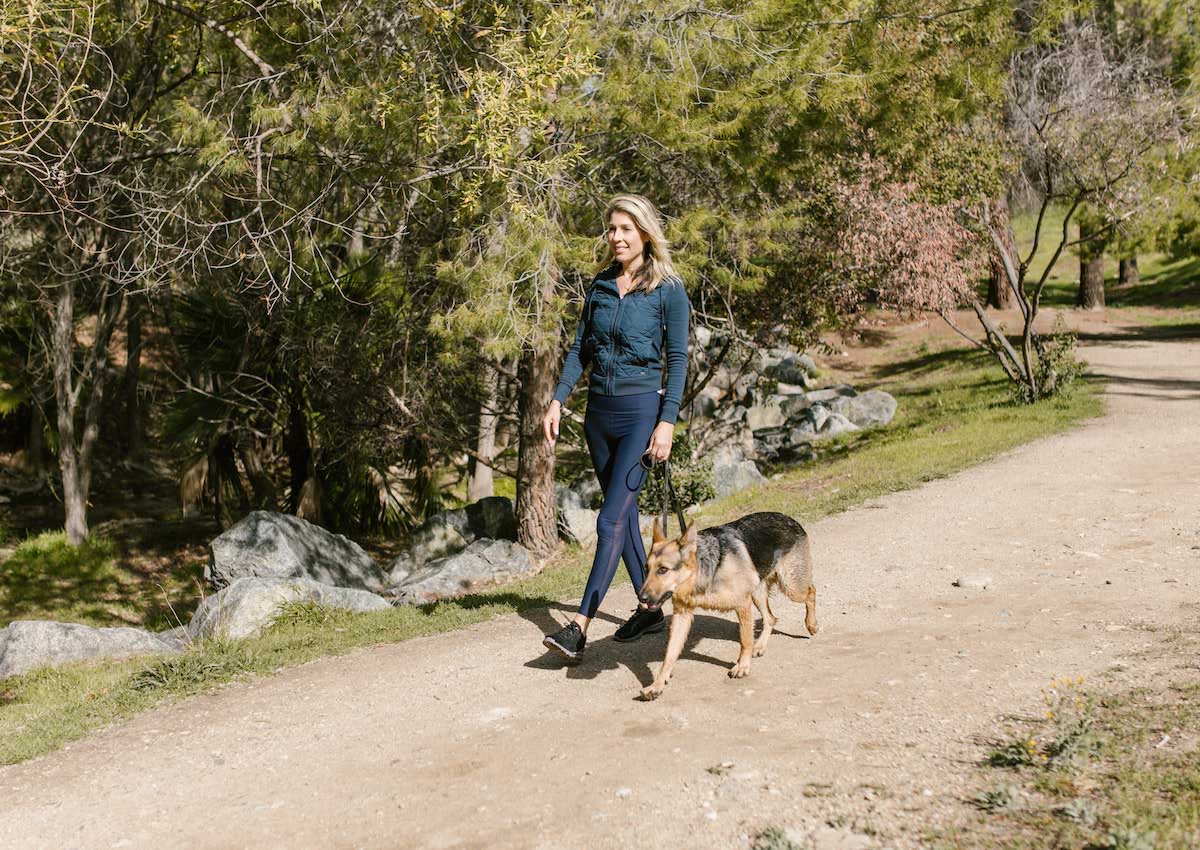

Some dogs stop walking because they feel uneasy about leaving the area they consider safe. Looking back repeatedly toward the house can signal that they’re unsure about being too far from their familiar space.
This reaction is especially common in younger dogs, newly adopted pets or those that haven’t built much confidence outside yet. With time and gradual exposure, many dogs become more comfortable once they realize the walk always ends with returning home.
They sit or lie down during the walk


A dog that suddenly sits or lies down may be trying to rest. Heat, fatigue or simply too much activity can make a dog decide they’re done moving for the moment.
For older dogs or dogs with joint problems, stopping like this can also signal physical discomfort. If the behavior happens frequently, especially early in the walk, it may be worth paying closer attention to how easily they move throughout the day.
They only want to walk back toward home


Some dogs will happily walk if the direction leads back toward the house but resist going any farther away. This usually means they feel more comfortable returning than continuing into unfamiliar territory.
In some cases the dog may simply be tired or overwhelmed. In others they may have encountered something on the route before that made them uneasy, causing them to associate that direction with discomfort.
They start licking or chewing their paws


When a dog fixates on their paws during a walk, it often means something is irritating them. Pavement that’s too hot, sharp debris, salt or small burrs stuck in the fur can quickly turn a walk into an unpleasant experience.
Checking their paws for cuts, debris or redness can help identify the problem. Sometimes the issue is as simple as a small object lodged between their toes.
They refuse to walk on certain surfaces
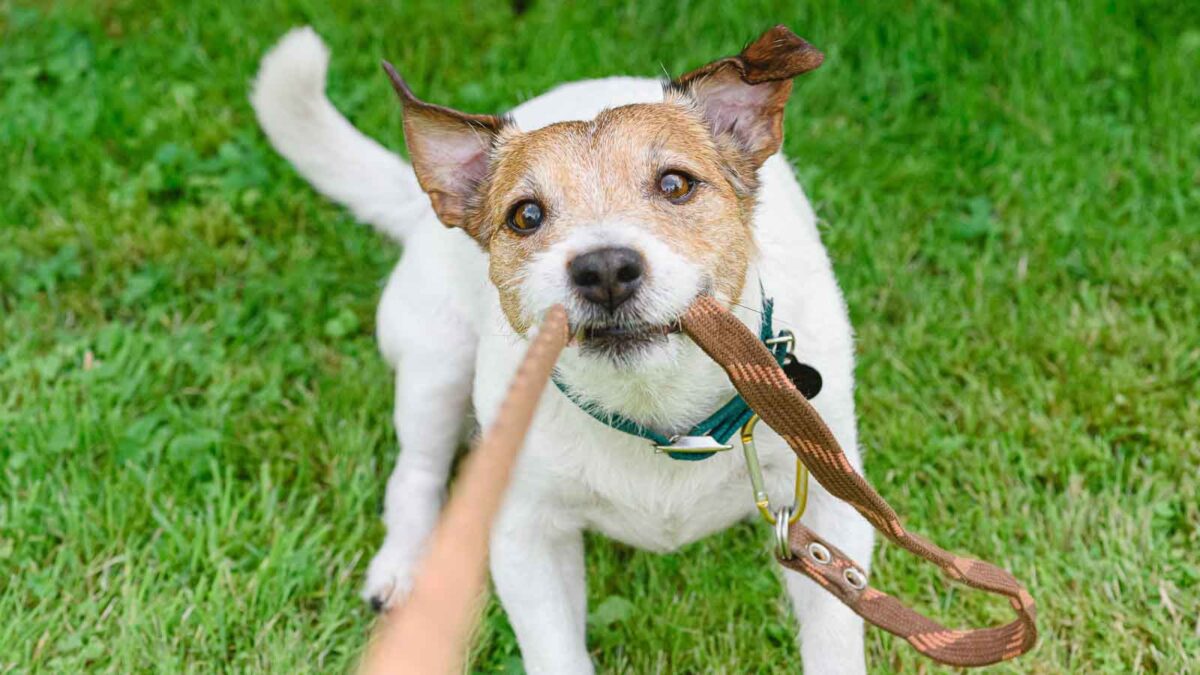

Dogs can be surprisingly particular about the ground beneath their feet. Hot pavement, rough gravel or slippery surfaces can make them reluctant to keep moving.
Even a surface that feels normal to us might feel uncomfortable to a dog’s sensitive paw pads. When they stop before stepping onto a certain material, they may simply be avoiding something that feels unpleasant.
They pause and sniff the air intensely


A dog that suddenly stops and sniffs the air may have picked up an unfamiliar scent. Because their sense of smell is so powerful, they often detect animals, people or environmental changes long before we notice anything.
Standing still while sniffing allows them to gather information about their surroundings. In many cases they’re simply investigating something interesting rather than refusing the walk entirely.
They begin shaking or trembling


Shaking during a walk can signal fear, stress or physical discomfort. Loud noises, unfamiliar environments or negative past experiences can trigger this reaction in some dogs.
Trembling can also occur if a dog is feeling unwell. When it happens consistently during walks, it’s worth paying attention to what might be causing the stress.
They pull strongly in the opposite direction


When a dog tries to lead you away from your planned route, they may be trying to avoid something ahead. Another dog, loud traffic or a location associated with a previous negative experience can trigger this reaction.
Dogs often attempt to guide themselves toward places where they feel safer or more comfortable. Understanding what they’re trying to avoid can help make future walks smoother.
They keep scratching at their collar or harness
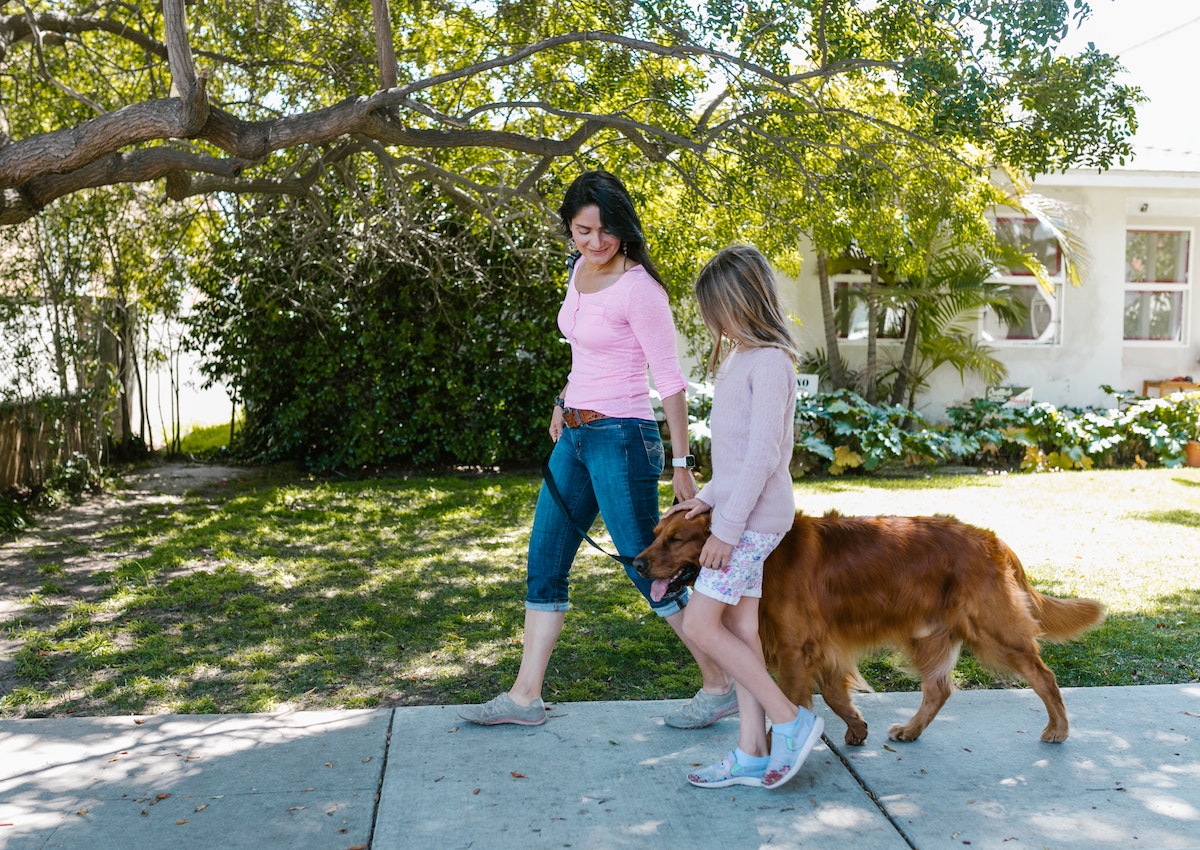
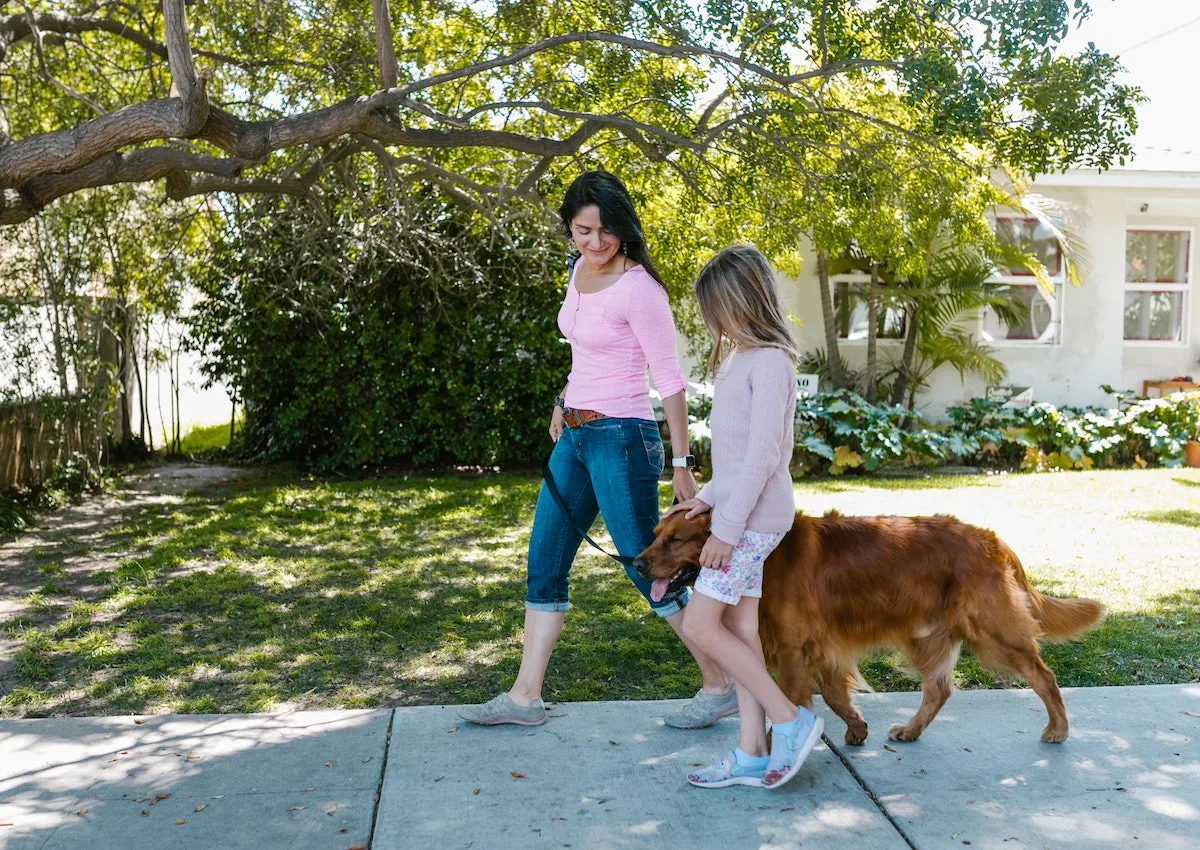
Uncomfortable gear can make a dog reluctant to keep walking. If the collar or harness rubs in the wrong spot or fits poorly, the dog may stop repeatedly to scratch or adjust.
Even small fit issues can cause irritation during longer walks. Ensuring the equipment fits correctly can make a noticeable difference in how willingly a dog moves.
They refuse to walk in bad weather


Weather conditions can have a big influence on a dog’s willingness to walk. Rain, snow or strong wind can make the outdoors feel unpleasant, especially for dogs that dislike getting wet or cold.
Some breeds are more sensitive to temperature changes than others. Shorter walks or protective gear can sometimes make these outings more manageable.
They stop and whine while looking at you


When a dog stops and looks up while whining, they may be trying to communicate that something feels wrong. Pain, exhaustion or anxiety can all trigger this kind of behavior.
Instead of insisting that they keep going, it’s often helpful to pause and assess what might be bothering them. Their reaction is usually an attempt to get your attention rather than simple refusal to cooperate.
10 Top Tips For Training Your Dog To Walk Off-Leash
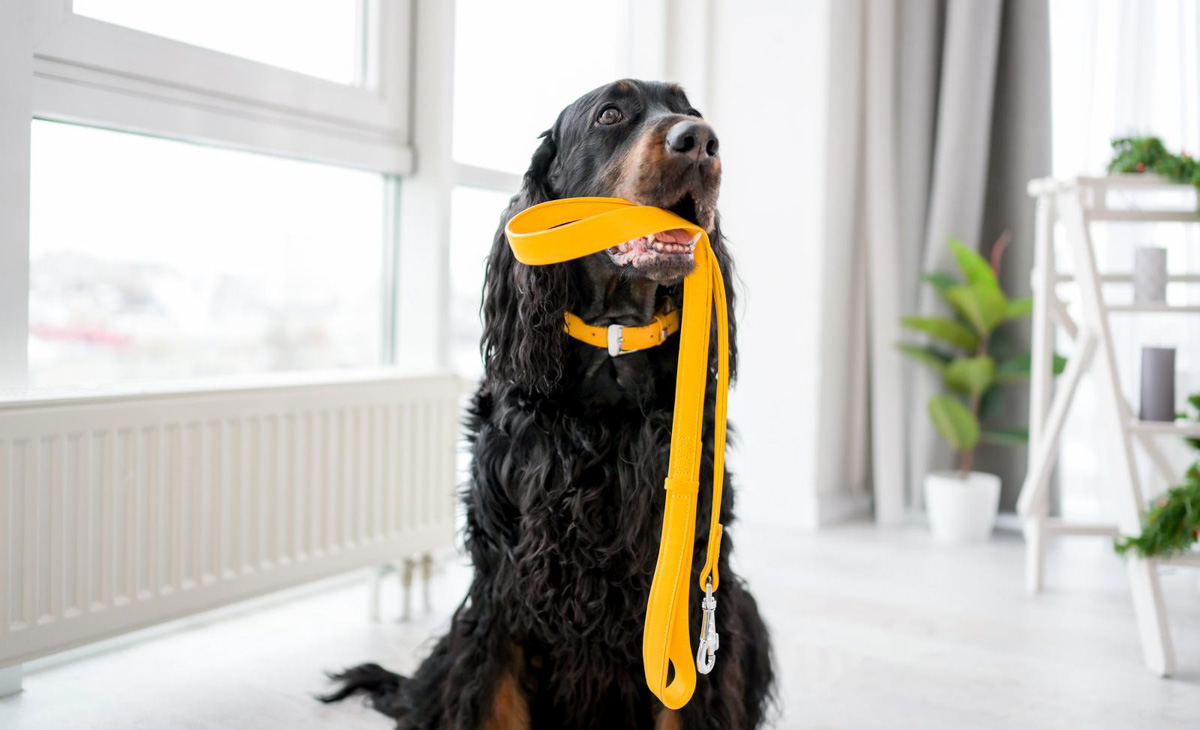

Training your dog to walk off-leash can be incredibly rewarding, but it takes some patience and effort. The key is to ensure your dog listens to you even when distractions are high. From basic obedience to practicing recall, there are several steps to make off-leash walking safe and enjoyable. Here’s how you and your pup can master the skill.
Read it Here: 10 Top Tips For Training Your Dog To Walk Off-Leash
10 Hacks for Keeping Your Dog’s Paws Clean After Walks


Every time your dog comes back from a walk, they bring along dirt, grime, and potentially harmful bacteria. Their paws pick up all kinds of environmental debris, from chemicals on sidewalks to mud from parks. Dogs love exploring, but their paws can be little carriers for things you’d rather not have indoors, making regular cleaning a must for a cleaner, safer environment for both you and your pet.
Read it Here: 10 Hacks for Keeping Your Dog’s Paws Clean After Walks