

As a dog owner, being prepared for emergencies is as crucial as daily walks and feeding. Whether it’s a minor injury or a more serious condition, knowing first aid can be a lifesaver for your furry friend. From learning how to perform CPR to assembling a first aid kit, these tips will equip you with the essential knowledge to handle common emergencies so you can act swiftly and keep your dog safe.


Know Your Vet’s Emergency Hours and Nearest 24-Hour Clinic
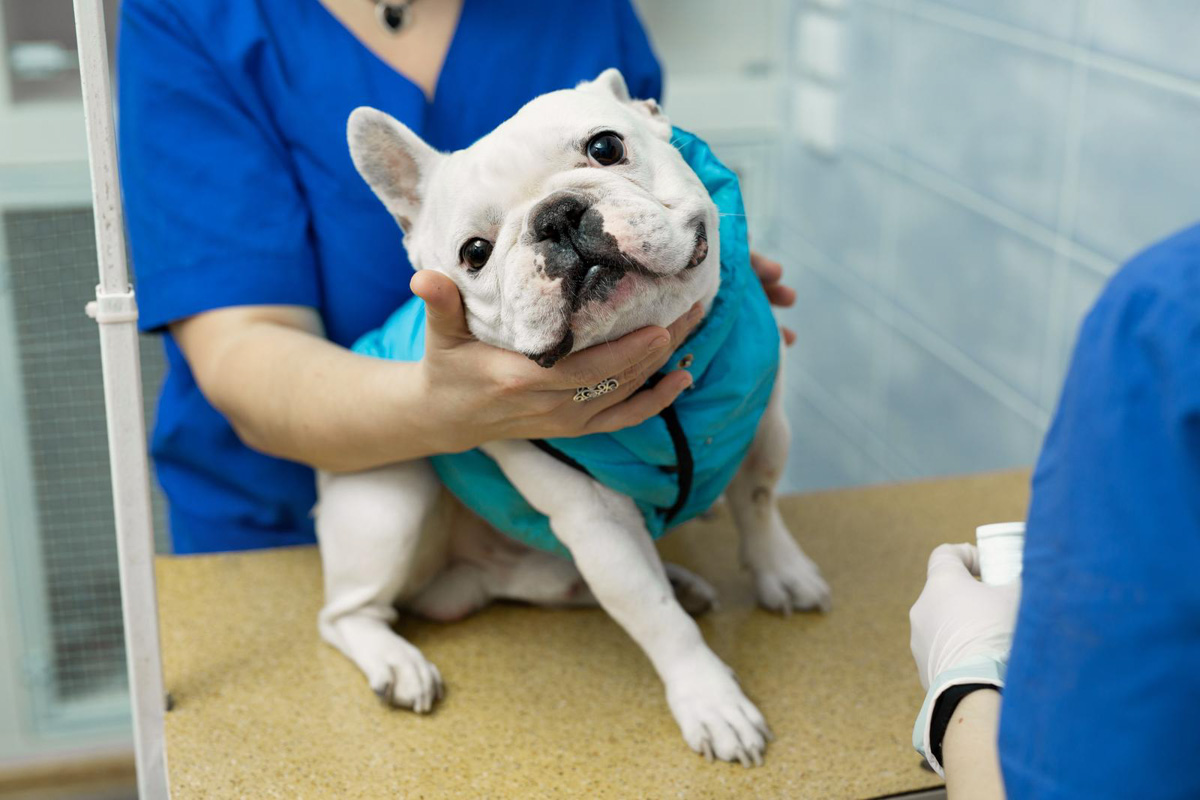
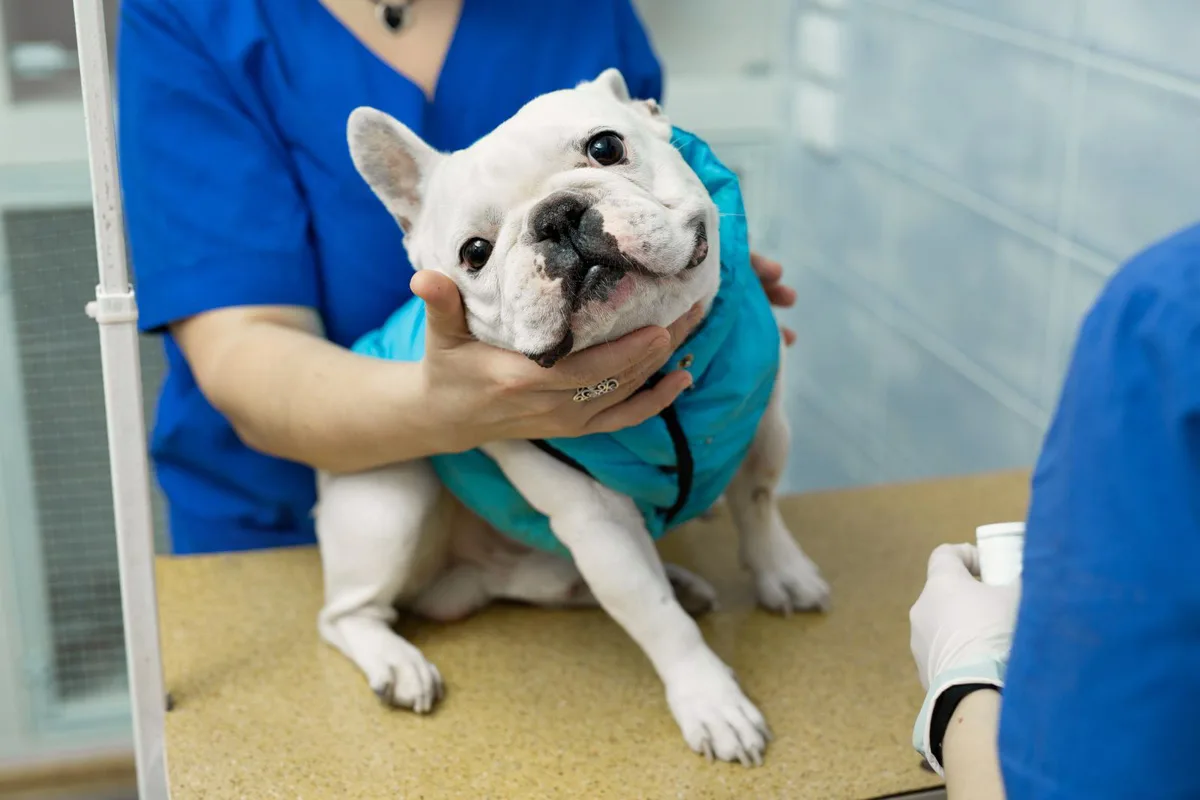
Keep a list of your primary vet’s emergency hours and contact info, and also know where the nearest 24-hour emergency clinic is located. Save both in your phone and keep a physical copy in your home and car. In a crisis, you don’t want to waste time Googling locations or sitting on hold. Knowing exactly where to go and who to call gives you a clear plan when every second counts.
Learn How to Check Vital Signs


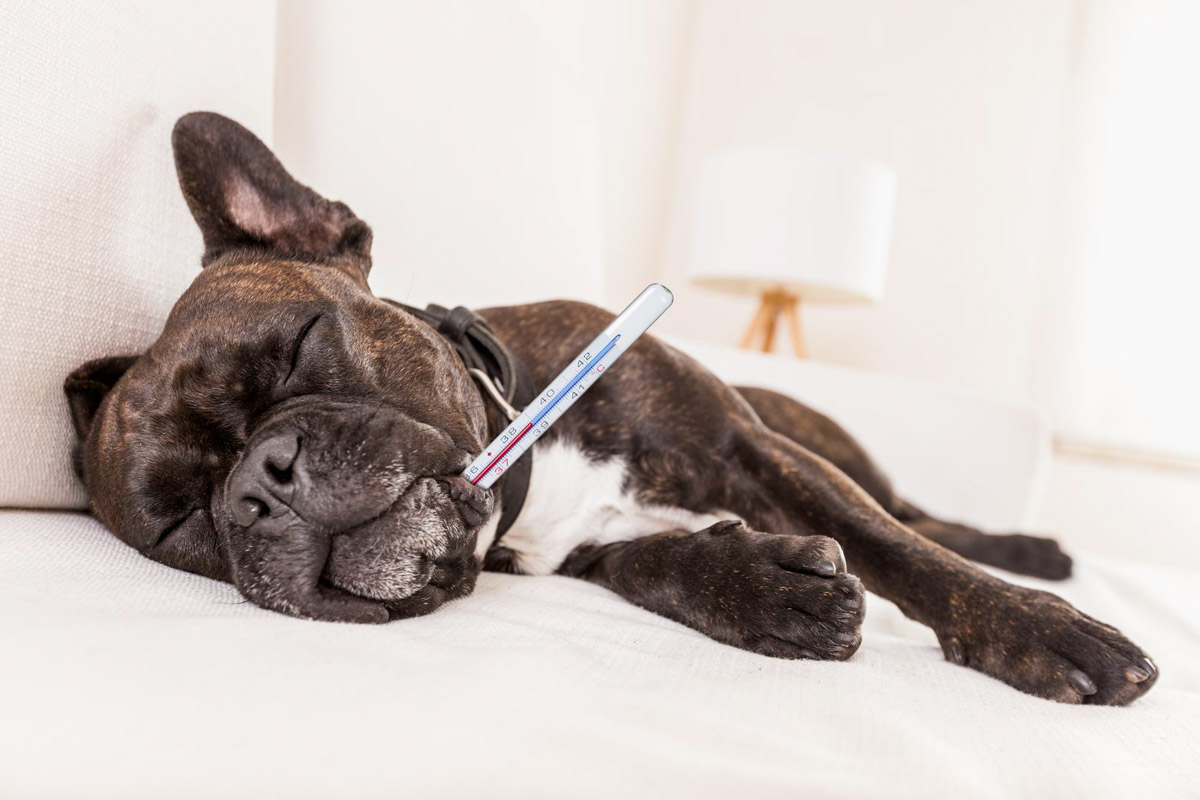
Get familiar with what’s normal for your dog so you can tell when something’s off. Learn how to check their heart rate (by feeling their chest or inner thigh), count breaths per minute while they’re resting, and take their temperature using a pet-safe digital thermometer. Knowing your dog’s baseline helps you catch issues early, even before they show outward signs of distress.
CPR for Dogs

Dog CPR isn’t something you want to learn in the moment. Learn how to give chest compressions and rescue breaths, and understand when and how to use it. Taking a certified pet CPR class through a vet or animal rescue organization can give you the confidence and skills to act quickly if your dog stops breathing or goes into cardiac arrest.
Stop Bleeding


Injuries happen fast, especially if your dog cuts a paw pad or gets scratched during play. Use clean gauze or a cloth to apply firm pressure to the wound until bleeding slows. If blood soaks through, add more layers — don’t remove the original one. For severe or persistent bleeding, head to the vet right away. Keeping your dog calm during this process is just as important as stopping the bleed.
Choking Hazards
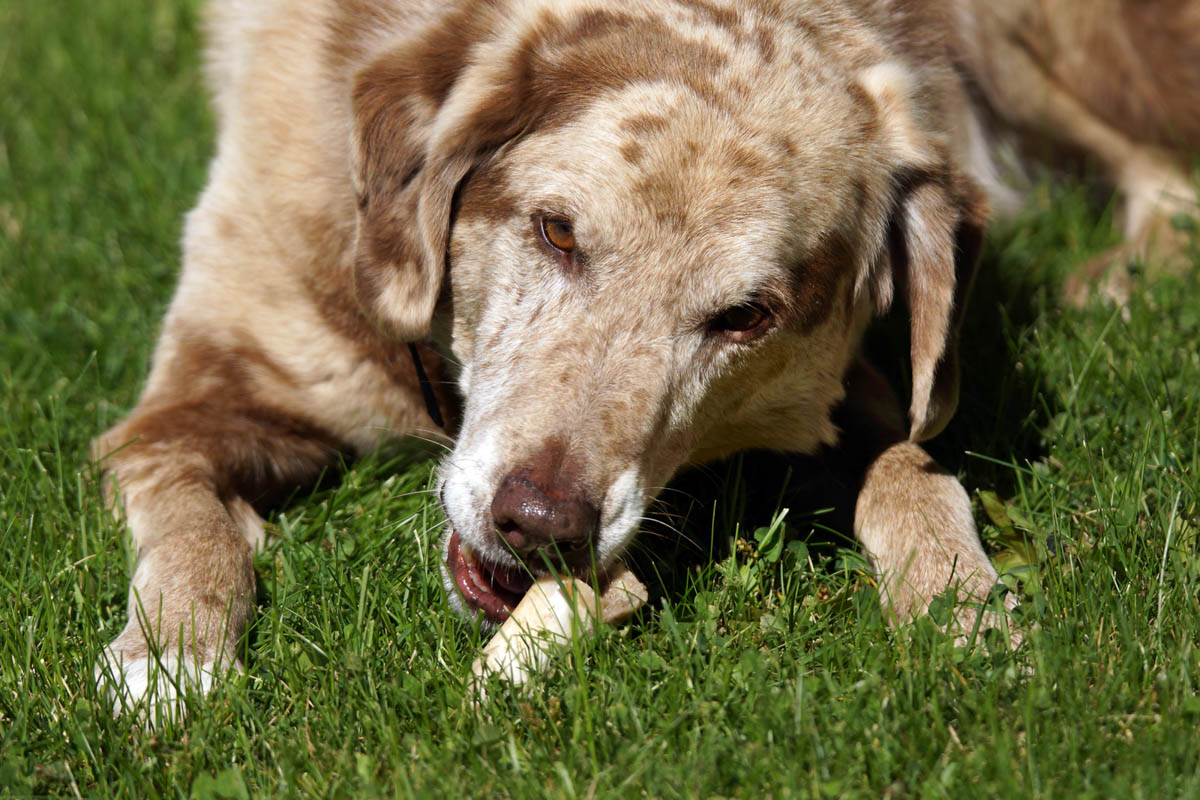

If your dog is choking, act quickly but carefully. Try to open their mouth and check for visible objects, but only remove something if it’s easily accessible — don’t reach blindly. If your dog collapses or can’t breathe, perform the Heimlich maneuver for dogs by applying upward pressure just behind the ribcage. Knowing this technique ahead of time can prevent panic when seconds matter.
Manage Burns and Scalds

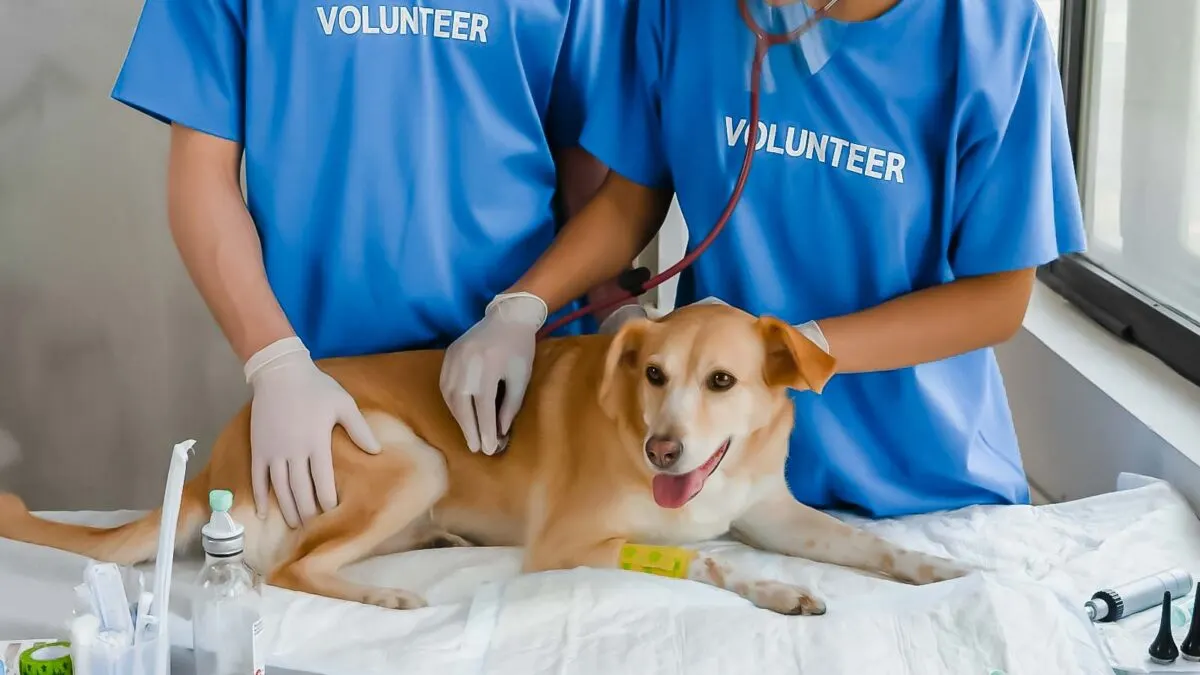
If your dog gets burned — by hot pavement, spilled coffee, or even a heat source — rinse the area with cool water immediately. Don’t use ice or apply ointments unless a vet tells you to, since some human products can make things worse. Cover the area with a clean, damp cloth and get veterinary help, especially for anything more than a mild burn.
Poisoning


Dogs are notorious for eating things they shouldn’t. Know the signs of poisoning like vomiting, drooling, shaking, or sudden lethargy. Keep poison control and your vet’s number visible in your kitchen and phone. Never induce vomiting unless a vet specifically instructs you to. Avoid the emergency in the first place by keeping toxic foods and substances out of reach.
Heatstroke Prevention and Treatment


Dogs overheat quickly, especially in cars, on hot sidewalks, or during long summer walks. Signs include rapid panting, drooling, weakness, vomiting, and collapse. Move your dog to a shaded or cool area, offer water, and wet their paws and belly with cool (not ice-cold) water. Call your vet right away. Prevent heatstroke by keeping exercise short in hot weather and never leaving dogs in parked cars.
Seizure Care


Seizures can be scary, but how you respond matters. Don’t try to restrain your dog or put anything in their mouth. Move furniture or objects that could hurt them and note how long the seizure lasts. Once it ends, keep them calm and quiet. Call your vet with the details — they may want to run tests or adjust medications if it becomes a recurring issue.
First Aid Kit


Every dog owner should have a basic pet first aid kit ready to go. Stock it with items like gauze, non-stick pads, adhesive tape, hydrogen peroxide (only use if instructed by a vet), a digital thermometer, tweezers, saline solution, and gloves. Add your vet’s contact info and any medications your dog takes. Keep one kit at home and a smaller version in the car or travel bag.
How To Cut Black Dog Nails

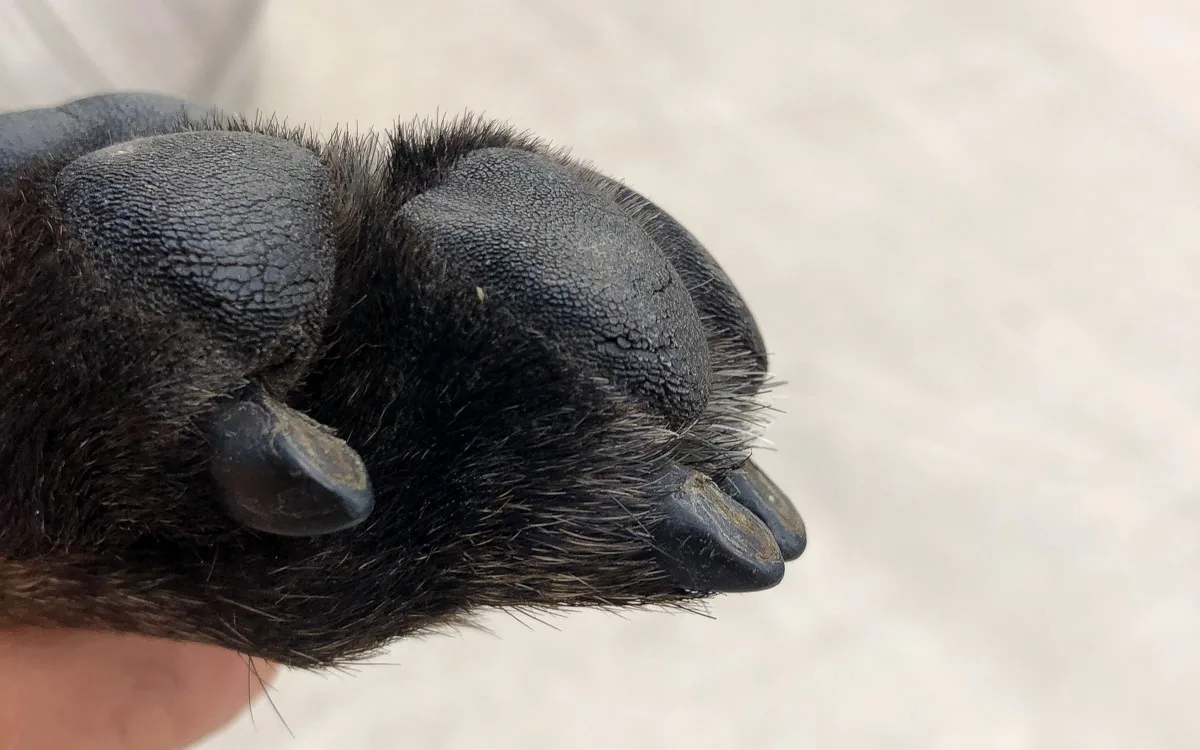
Trimming your furry friend’s nails can be a daunting task, especially when they have dark nails. The fear of cutting too close and causing pain can be nerve-wracking. But with the right approach and some expert guidance, you can confidently and safely trim your dog’s black nails, ensuring their comfort and paw health.
Read it Here: How To Cut Black Dog Nails
Can I Walk My Dog 30 Minutes After Eating?


The age-old advice of waiting before swimming after a meal has been ingrained in our minds, but what about walking our furry friends? Many dog owners wonder if the same caution applies to their pets.
Read it Here: Can I Walk My Dog 30 Minutes After Eating?