

Trust between a dog and their owner develops gradually through everyday interactions. While some dogs bond quickly, others take longer to feel confident and comfortable, especially if they’ve experienced inconsistent handling or unfamiliar environments in the past. Building that trust usually comes from small, repeated behaviors that show the dog they can rely on you.


Give your dog space when they need it


Dogs don’t always want immediate interaction, especially in new environments or when meeting unfamiliar people. Allowing them to approach on their own terms helps them feel more in control of the situation.
Instead of reaching toward them right away, staying relaxed and letting them observe you first often leads to a more confident introduction. When a dog realizes they aren’t being pressured into contact, they’re more likely to engage willingly.
Reward behaviors you want to see again

Positive reinforcement helps dogs connect their actions with good outcomes. When a dog receives praise, treats or playtime after responding to a cue or making a good decision, they begin associating you with those rewards.
Over time this creates a pattern where cooperation leads to positive experiences. The dog learns that paying attention to you brings predictable and beneficial results.
Keep expectations clear and consistent


Dogs rely heavily on routine to understand what’s expected of them. When rules change frequently, it can create confusion and hesitation.
Maintaining consistent boundaries, cues and daily habits helps dogs feel secure because they can anticipate how situations will unfold. That predictability builds confidence in their interactions with you.
Pay attention to their body language


Dogs communicate much of what they’re feeling through subtle physical signals. Tail movement, ear position, posture and eye contact can reveal whether they feel relaxed, curious or uncertain.
Responding appropriately to those signals shows the dog that their communication is being noticed. When they feel understood, they tend to become more comfortable engaging and interacting.
Move calmly and avoid startling behavior


Sudden movements, loud voices or abrupt changes in activity can make some dogs uneasy. Calm, predictable actions help them interpret your behavior as safe and non-threatening.
Speaking in a steady tone and moving at a relaxed pace gives dogs time to process what’s happening around them, which encourages a more trusting response.
Make play part of your routine together


Play provides a natural way to strengthen your relationship with a dog. Activities like fetch, tug or interactive toys create shared experiences that reinforce positive engagement.
When play becomes a regular part of your interactions, dogs often begin to view you as a reliable source of stimulation and enjoyment, which strengthens their connection to you.
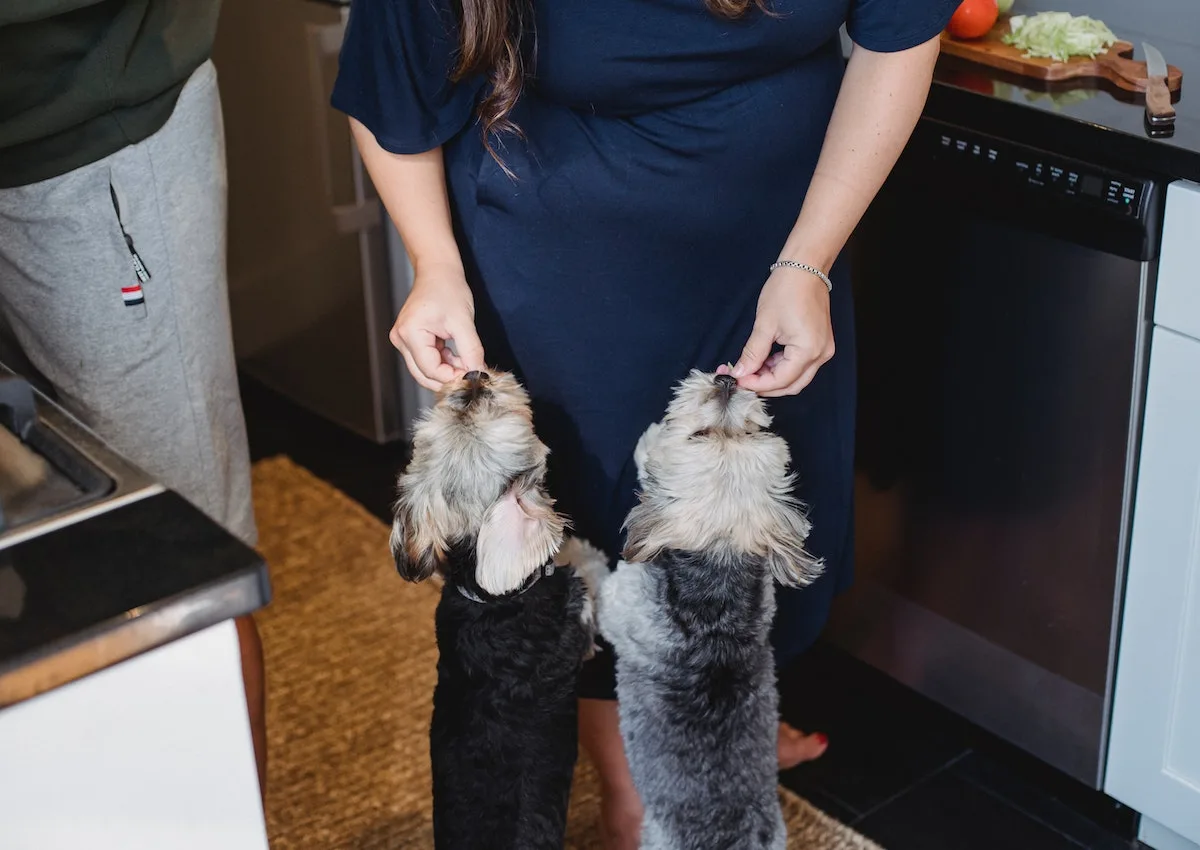
Offer food directly from your hand at times


Hand-feeding can be a useful bonding exercise, particularly for dogs that are cautious or newly adopted. Receiving food directly from you reinforces the idea that your presence brings something positive.
This approach can also help encourage focus during training sessions. The dog begins associating attention toward you with rewards and reassurance.
Allow them to make small choices


Giving dogs opportunities to choose within safe boundaries can increase their confidence. Letting them select a toy, decide where to settle down or approach interaction when they feel ready helps them feel more comfortable.
When dogs feel they have some control over their environment, they tend to become more relaxed and willing to interact.
Let them approach social situations gradually


Not every dog is comfortable immediately meeting new people or exploring unfamiliar places. Forcing those interactions can create hesitation rather than confidence.
Allowing gradual exposure helps dogs adjust at a pace that feels manageable. Over time they begin associating those situations with safety rather than pressure.
Create a calm, predictable home environment
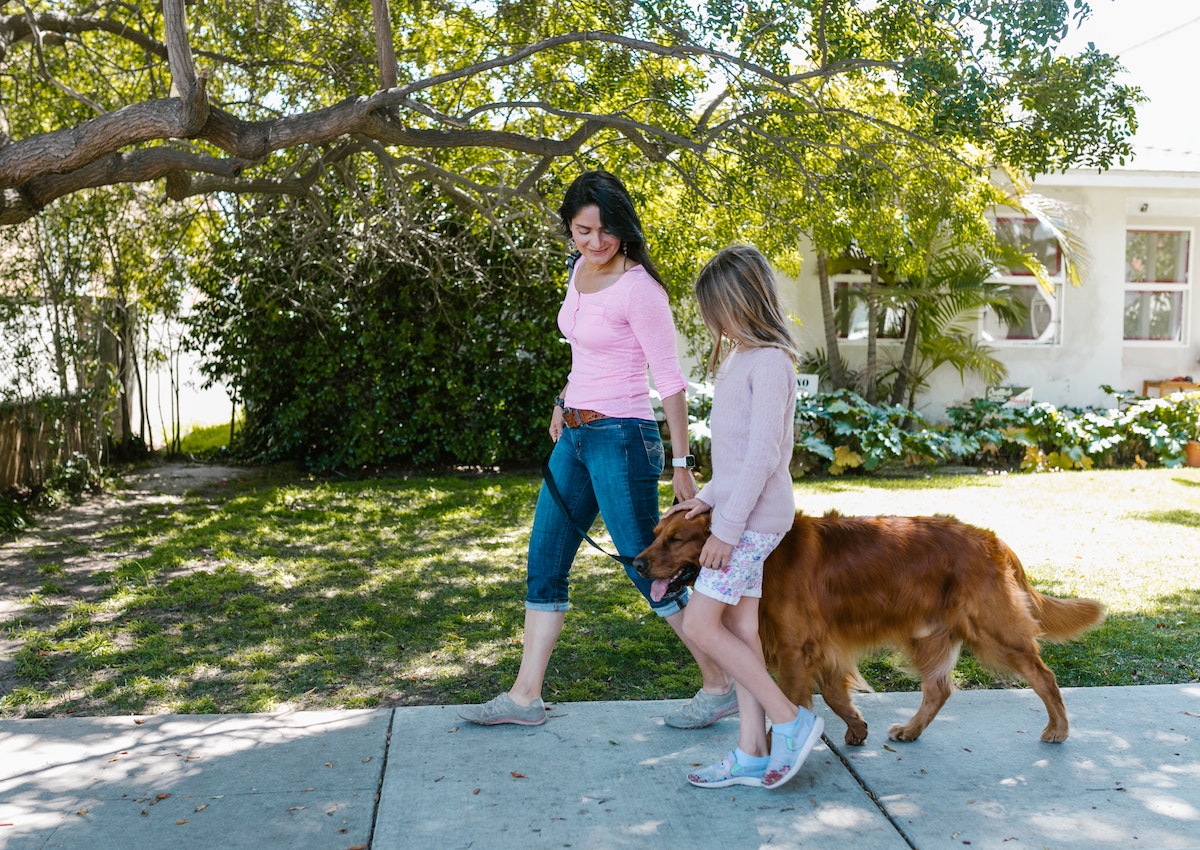
Dogs thrive in environments where daily routines feel stable. Regular feeding times, walks and rest periods help them understand what to expect throughout the day.
A consistent environment reduces uncertainty and makes it easier for dogs to trust the person responsible for providing that structure. When they know their needs will be met reliably, their confidence in the relationship naturally grows.
15 Subtle Signs Your Dog Trusts You Completely


Trust is everything in a relationship, even with your dog. Unlike people, dogs don’t sugarcoat their feelings—they show you exactly where you stand in their world. Building trust takes time, consistency, and a little bit of effort, but the rewards are worth it. When a dog trusts you, it’s like being handed a VIP pass to their inner circle. They’ll give you clues through their actions, some subtle and some not so much, that let you know you’ve earned their confidence.
Read it Here: 15 Subtle Signs Your Dog Trusts You Completely
10 Common Things That Can Accidentally Break Your Dog’s Trust


Trust is everything when it comes to your dog, but it’s easier to break than you might think. One wrong move and suddenly your loyal companion is giving you the cold shoulder. It’s not always the obvious stuff, either—sometimes the smallest things can make your dog question what’s going on. If your pup seems a little hesitant, avoids eye contact, or doesn’t come running like they used to, something might be off. No one wants to accidentally mess up their bond with their dog, but it happens more than you’d think. Here’s what could be causing the problem and how to fix it.
Read it Here: 10 Common Things That Can Accidentally Break Your Dog’s Trust
*Select images provided by Depositphotos.