

A dog’s reaction to water might seem confusing if you don’t know their background. One dog might will charge straight into a lake without hesitation, while another refuses to step into a puddle on the street. It’s easy to chalk this up to personality, but there’s usually more behind it. A dog’s comfort level around water develops over time and is shaped by a mix of genetics, early experiences, physical traits, and past interactions.


Breed background


A dog’s ancestry plays a major role in how they respond to water. Breeds developed for retrieving, fishing, or water rescue often have instincts that make swimming feel natural. Others were bred for speed, guarding, or dry terrain work and never needed to navigate water regularly. These inherited tendencies don’t guarantee behavior, but they often influence how quickly a dog feels confident or hesitant.
Early exposure


Dogs that encounter water in calm, positive ways as puppies tend to be more comfortable with it later. Gentle exposure builds familiarity and reduces fear. Dogs that missed that window or had neutral or negative early experiences may find water overwhelming. First impressions matter, especially during early development.
Body structure
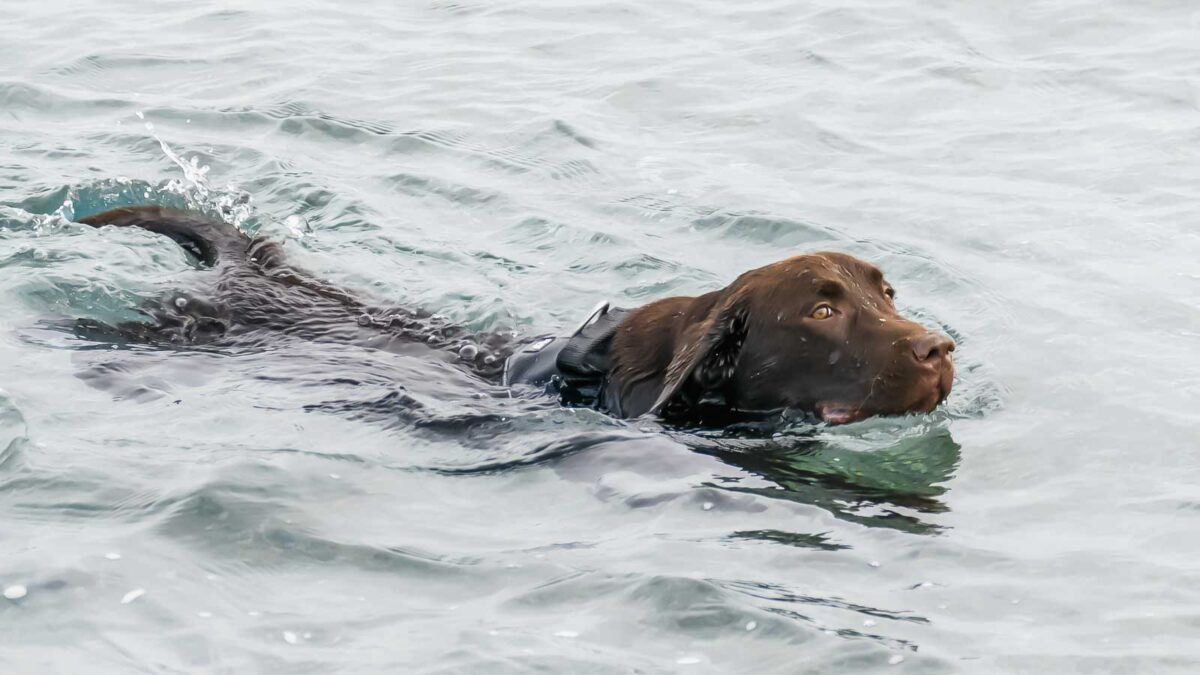

A dog’s physical build affects how secure they feel in water. Buoyant bodies, strong legs, and balanced proportions make swimming easier. Dogs with heavier fronts, shorter legs, or less body fat may struggle to stay afloat, which can create anxiety.
Coat type


Coat thickness and texture influence both temperature tolerance and comfort. Water resistant coats help dogs stay warm and dry more quickly. Thin or short coats can make cold water uncomfortable, even painful. Dogs often remember how water made them feel physically and adjust their behavior accordingly.
Past negative experiences


One bad experience can leave a lasting impression. Slipping on wet surfaces, being forced into water, or swallowing water unexpectedly can create long term caution. Dogs don’t always differentiate between one event and similar situations later. What feels minor to an owner may feel overwhelming to the dog.
Sensory perception


Water can be visually and physically confusing for dogs. Reflections, movement, depth changes, and unfamiliar sounds can trigger uncertainty. Dogs that rely heavily on visual cues may struggle to interpret what they’re seeing. If they can’t assess safety clearly, they may choose avoidance.
Temperature sensitivity


Some dogs are more sensitive to cold or heat than others. Cold water can cause muscle stiffness or discomfort, while warm water may feel relieving or enjoyable. A dog’s reaction often depends on how their body regulates temperature and how quickly they recover afterward.
Temperament


Confidence levels matter. Curious, adventurous dogs may approach new experiences with enthusiasm, including water. More cautious dogs tend to observe first or keep distance. Neither response is wrong. Temperament shapes how dogs evaluate unfamiliar environments.
Social influence


Dogs pay attention to the behavior of people and other dogs. A calm owner or confident companion can make water feel safer. Hesitation or tension from others can reinforce fear. Dogs often take cues from the environment before making their own decisions.
Activity preference


Some dogs enjoy movement and physical challenges, while others prefer predictable, low effort activities. Swimming demands coordination, energy, and trust in the environment. Dogs that favor calm routines may choose dry land even if they’re physically capable of swimming.
These 10 Dog Breeds Are Born to Swim


Dogs are known for their diverse skills, and some of them are true water enthusiasts. Whether they’re diving into lakes, swimming in the ocean, or just splashing around in the pool, certain breeds are natural-born swimmers. Take a look at ten dog breeds that absolutely love the water and are amazing swimmers. If water sports are a love of yours, one of these breeds might be your new best friend.
Read it Here: These 10 Dog Breeds Are Born to Swim
13 Dogs That Would Rather Skip The Doggy Paddle And Stay Dry


Not all dogs are natural swimmers, and some would do anything to avoid getting wet. While certain breeds are all about the water, others act like it’s their worst nightmare. If you’re imagining a fun day at the lake with your dog splashing around, think again—these pups would rather keep their paws dry and avoid the doggy paddle altogether.
Read it Here: 13 Dogs That Would Rather Skip The Doggy Paddle And Stay Dry
*Select images provided by Depositphotos.