

Living with a dog will humble you. You might start out thinking you’re the one setting routines, enforcing rules, and calling the shots, but somewhere along the way, that confidence dwindles when your dog starts deciding what time walks happen. Soon you’re handing out treats after a certain pathetic look coming your way and the couch space quietly shrinks. None of this feels dramatic or obvious, which is exactly the point. Over time, dogs learn which behaviors get results, which humans respond fastest, and how to repeat the patterns that work. They don’t do it out of malice, it’s just learning, reinforced by daily life.
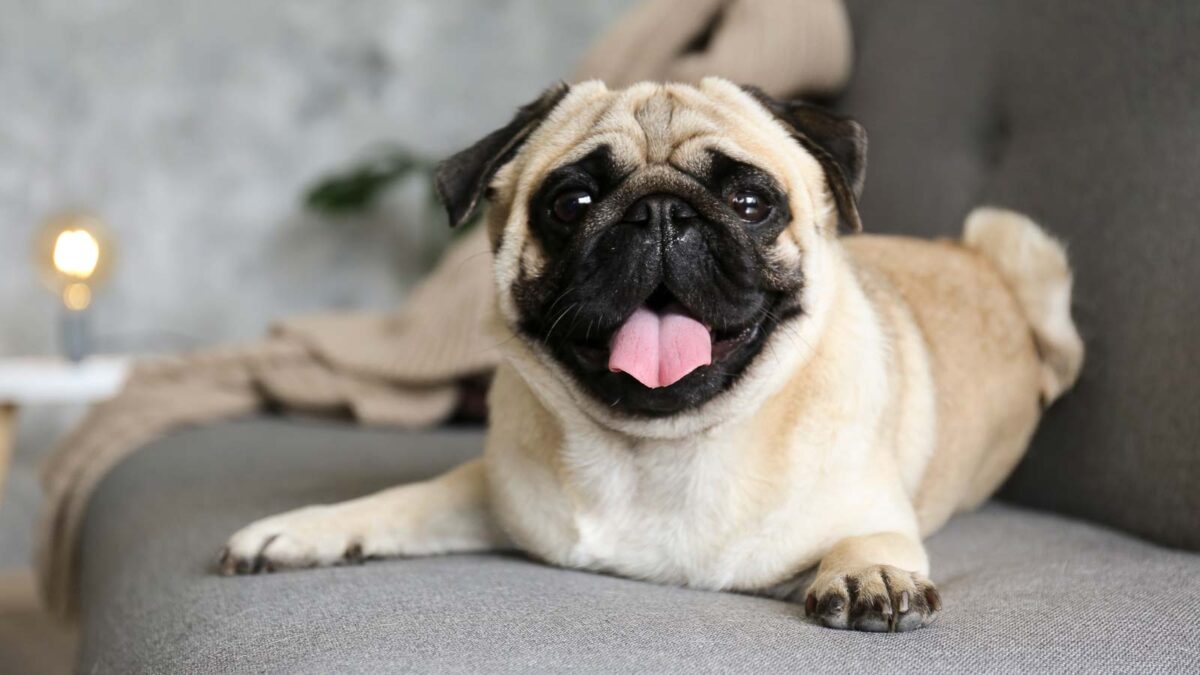

The head tilt that stops everything


That slight tilt of the head shows up at very specific moments. It usually happens when you’re speaking, holding something interesting, or deciding whether to say yes or no. Research suggests head tilting helps dogs process sounds and facial cues, but it also happens to pull human attention instantly. Most owners respond by softening their voice, repeating themselves, or offering reassurance. Over time, dogs learn that this small movement slows you down and keeps your focus locked on them.
Puppy dog eyes that change outcomes


Those wide eyes and lifted brows are not accidental. Dogs have facial muscles that allow them to exaggerate expressions humans read as emotional or vulnerable. Owners tend to interpret this look as need or affection, even when nothing is wrong. The result is usually a reward, extra food, or permission that might not have been given otherwise. Dogs don’t need to understand why it works, they only need to know that it does.
The guilty look that redirects blame


Many dogs display what looks like guilt after they’ve done something wrong. In reality, that posture usually appears in response to your tone, body language, or frustration. Dogs quickly learn that lowering their head, avoiding eye contact, or freezing in place can reduce tension. For owners, it can feel like the dog understands what they did. What’s really happening is that the dog has learned how to de escalate the situation.
Yawning at very convenient times


Dogs yawn for many reasons, including stress and social signaling. Some dogs begin yawning when they sense tension or when they want to calm a situation. Owners often respond by relaxing their voice, slowing movements, or sitting down. Whether intentional or not, the dog learns that this behavior can change the emotional temperature in the room.
Hearing exactly what benefits them


Most dog owners know this one well. A dog can ignore repeated commands but react instantly to words like walk, outside, or treat. Dogs are excellent at associating sounds with outcomes. When a word consistently leads to something positive, they stay alert. When it doesn’t, it fades into the background. Over time, this selective response trains owners to repeat commands or adjust expectations.
Leaning that demands engagement


When a dog leans into you, it feels affectionate, and often it is. But it also creates physical contact that’s hard to ignore. Leaning shifts your attention and often leads to petting, reassurance, or conversation. Dogs learn that this move reliably brings interaction, especially when humans are distracted or busy.
Toys used as negotiation tools


Dogs don’t always bring toys because they want to share. Often, it’s an invitation to engage on their terms. Dropping a toy at your feet or waving it in front of you usually results in play, attention, or praise. Even if you don’t engage every time, the behavior sticks because the payoff is frequent enough to matter.
Barking that forces a response


Not all barking signals danger or excitement. Some barking appears suddenly and stops once you react. Dogs learn that noise pulls attention faster than quiet behavior. Even negative reactions still count as engagement. Over time, barking becomes a reliable way to interrupt whatever you’re doing.
Sudden obedience at the right moment


A dog that ignores cues all day but suddenly behaves when food appears or guests arrive isn’t being random. Dogs recognize moments when compliance benefits them. That perfectly timed sit or calm behavior often leads to praise or rewards. Owners reinforce it because it feels like progress.
Sighing that keeps you close


A deep sigh from a dog often sounds content, but it can also signal comfort and settling. Many owners respond by staying seated or continuing what they’re doing. Dogs learn that this sound helps maintain closeness without demanding attention outright.
Acting unwell when it helps


Some dogs exaggerate discomfort when facing situations they dislike. Extra attention, gentle handling, or delayed routines can follow. While not always intentional, dogs notice patterns. If acting off leads to softer treatment, the behavior may repeat.
Slow approaches that soften reactions


When dogs approach slowly with lowered posture, humans tend to respond gently. This behavior often appears when dogs sense frustration or distraction. Over time, dogs learn that moving carefully keeps interactions calm and supportive.
Pawing that’s hard to ignore


Pawing creates direct contact and interrupts whatever you’re doing. It’s physical, persistent, and effective. Most owners respond quickly, even if it’s just to move the paw away. Dogs learn that this gesture reliably gets attention.
13 Dog Breeds That Are More High-Maintenance Than A Teenager


Some dogs take “high-maintenance” to a whole new level, making you wonder if you adopted a furry friend or signed up to raise another teenager. From endless grooming routines to personalities that could rival a drama queen, these breeds don’t just sit quietly in the corner. They’ll keep you on your toes, your schedule packed, and your patience tested. Despite the extra effort, they’re totally worth it (most days).
Read it Here: 13 Dog Breeds That Are More High-Maintenance Than A Teenager
12 Reasons Your Dog Loves Certain People More Than Others


Dogs are great at making us feel like their favorite person—unless they’ve clearly picked someone else. Ever wonder why your dog seems to gravitate toward certain people? It’s not random, and it’s not just about who has the treats (though that helps). Dogs have their own unique criteria for deciding who they like best, and some of it might surprise you.
Read it Here: 12 Reasons Your Dog Loves Certain People More Than Others
*Select images provided by Depositphotos.