

Dogs are good at learning patterns, but they’re not great at guessing intentions. Most confusion comes from mixed signals, shifting expectations, or habits that make sense to humans but not to animals that rely on consistency and timing. When communication breaks down, it’s usually not because a dog is stubborn or “not listening”, but because the message keeps changing. These common human behaviors can quietly undermine trust, training, and day-to-day understanding.


Switching command words


Using multiple phrases for the same behavior forces dogs to guess what you mean. “Come,” “come here,” and “over here” may sound interchangeable to you, but dogs learn through repetition, not synonyms. When the cue keeps changing, the response will typically become unreliable.
Changing boundaries from day to day


Letting a dog do something one day and correcting it the next creates uncertainty. Furniture access, jumping, begging, or sleeping arrangements need to be consistent. Dogs don’t understand exceptions tied to mood or convenience, only patterns.
Talking too much
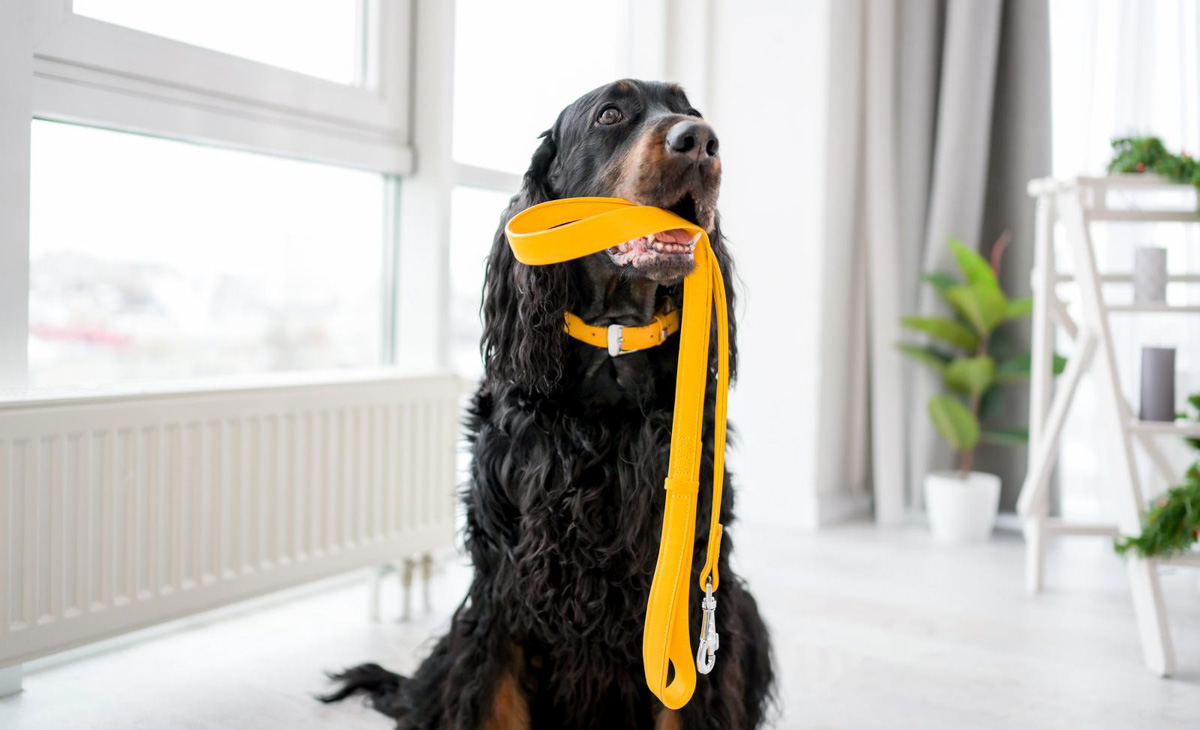

Long explanations don’t help dogs understand faster. They respond to short, clear cues paired with action. Extra words dilute the message and make it harder for them to connect the sound to the behavior you want.
Reacting differently to the same behavior


Laughing at a behavior once and correcting it later teaches nothing. Dogs learn through cause and effect. When reactions change, they don’t know which version is correct, so the behavior often continues.
Giving multiple signals at once


Calling a name, pointing, clapping, and repeating commands all at the same time overwhelms most dogs. They do better when one clear cue is given, followed by time to respond.
Correcting behavior too late


Dogs connect consequences to what’s happening in the moment, not minutes or hours later. Scolding after the fact doesn’t clarify anything and can increase anxiety because the correction feels random to them.
Ignoring stress signals


Lip licking, yawning, turning away, freezing, or avoiding eye contact are early signs of discomfort. When those signals are missed or dismissed, dogs may escalate their behavior because subtle communication didn’t work.
Keeping an unpredictable schedule
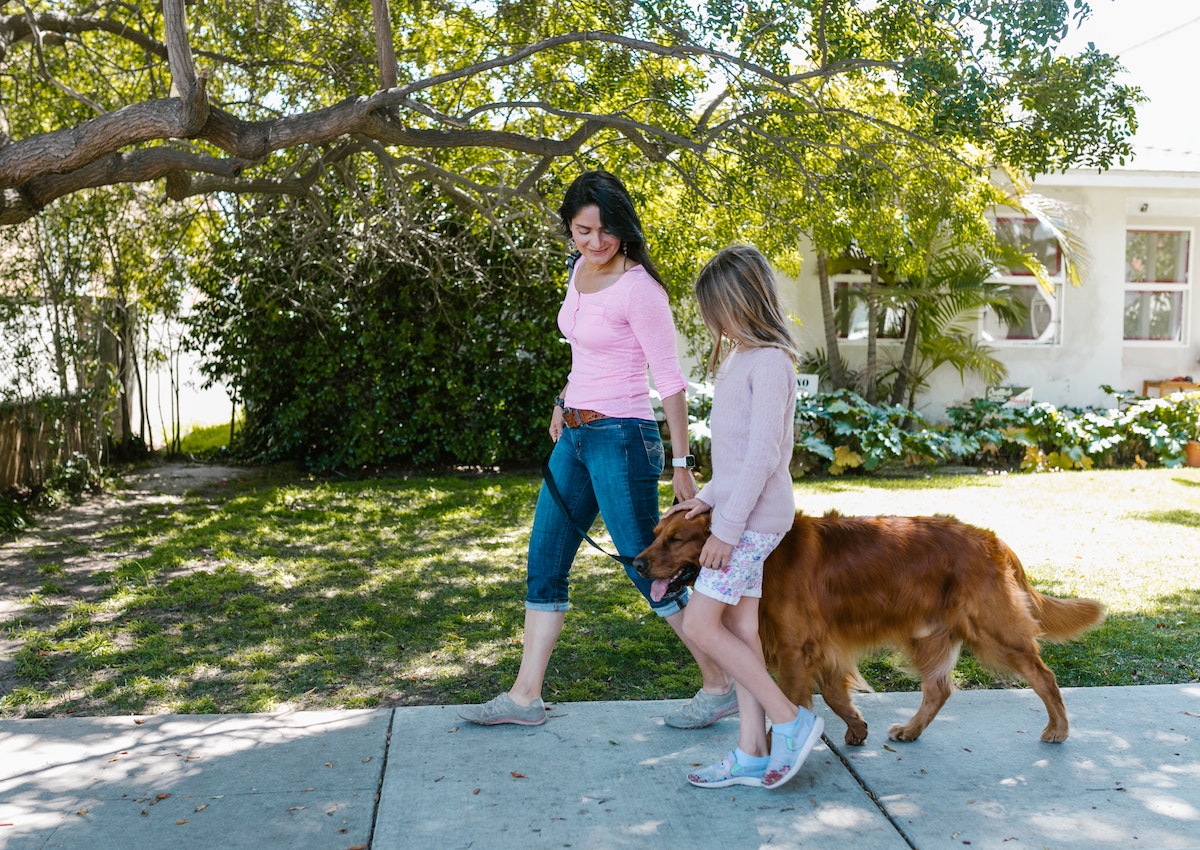
Irregular feeding, walking, or sleep routines can make dogs uneasy. They rely on predictable structure to feel secure. Constant changes force them to stay alert instead of relaxed.
Rushing walks


Walks aren’t just exercise. Sniffing helps dogs process their environment and decompress. Constantly pulling them along removes an important outlet and can lead to frustration or pent-up energy.
Stopping reinforcement too soon


Behaviors don’t stay solid without occasional reinforcement. When praise, treats, or feedback disappear entirely, dogs may stop offering the behavior because it no longer seems relevant.
Forcing physical affection


Not every dog wants constant touching, hugging, or petting, especially when resting. Ignoring those boundaries can make them unsure how to respond or avoid interaction altogether.
Training while frustrated


Raised voices, tension, or impatience interfere with learning. Dogs respond better to calm, consistent feedback. Frustration changes tone and body language in ways dogs read as negative or unclear.
Expecting human logic


Dogs don’t naturally understand social rules, noise tolerance, or property boundaries. Expecting them to “just know” what’s appropriate skips the guidance they need to succeed in a human environment.
9 Ways You’re Unknowingly Making Your Dog Anxious


Many dog owners don’t realize that some everyday habits can make their pets anxious. Inconsistent routines, lack of exercise, and too much alone time are just a few things that can stress your dog out. Understanding these common triggers can help you create a calmer, happier environment for your dog.
Read it Here: 9 Ways You’re Unknowingly Making Your Dog Anxious
12 Signs Your Dog Is the Boss of You & Your House


Ever feel like your dog is running the show at home? You’re not alone! Many of us have pups who’ve taken over our lives in the most adorable ways. They’ve got us wrapped around their paws, dictating our schedules and stealing our best spots. If you’re starting to think your dog might be the real boss of the house, here are some of the tell-tale signs .
Read it Here: 12 Signs Your Dog Is the Boss of You & Your House