

Dogs have a reputation for loyalty. One of the hardest things for people to understand is why a dog can remain attached to someone who consistently neglects their needs. From the outside, it looks illogical or even heartbreaking. From the dog’s perspective, it’s often the result of instinct, survival wiring, and emotional conditioning rather than conscious choice. Dogs don’t evaluate relationships the way humans do. They respond to familiarity, routine, and the hope that connection will eventually lead to safety.


Pack bonding instincts run deep


Dogs evolved as pack animals, and once a bond forms, it’s not easily broken. In the wild, separation from the pack meant danger. That instinct still exists in domestic dogs. Even when a person doesn’t meet a dog’s emotional or physical needs, the bond itself holds weight. Staying attached feels safer than risking isolation.
Attachment forms before judgment


Dogs don’t assess whether someone is “good” or “bad” the way humans do. Attachment often forms early, sometimes before neglect becomes obvious. Once that emotional connection is established, dogs don’t reassess it based on treatment quality. The bond simply exists and continues.
Familiarity feels safer than change


Even unhealthy environments can feel predictable. Dogs often cling to what they know because unfamiliar situations come with uncertainty. A neglected dog may stay attached because the routine, even a bad one, feels more controllable than the unknown.
Dependence shapes loyalty


Dogs rely on humans for food, shelter, and basic survival. That dependence reinforces attachment even when care is inconsistent. When survival is tied to one person, loyalty becomes a coping mechanism rather than a choice.
Desire to please overrides self protection


Many dogs are wired to seek approval. When care or affection is inconsistent, dogs often try harder rather than pull away. This creates a cycle where the dog increases effort in response to neglect, reinforcing attachment instead of breaking it.
Authority figures carry weight


Dogs are sensitive to hierarchy. Even when leadership is neglectful, dogs may still recognize the person as an authority figure. Challenging or abandoning that bond doesn’t come naturally, especially for dogs conditioned to defer rather than question.
Emotional bonds don’t disappear easily


Dogs form emotional connections that aren’t erased by poor treatment. Moments of kindness, even if rare, can carry outsized emotional impact. These brief positive interactions can keep a dog emotionally invested long after neglect becomes the norm.
Hope becomes a driving force


Dogs live in the present, but they also respond strongly to possibility. A neglected dog may continue to hope that attention or care will return. That expectation keeps them emotionally engaged even when reality doesn’t support it.
Fear of abandonment reinforces attachment


For many dogs, being alone feels more threatening than staying in a neglectful situation. Fear of abandonment can strengthen attachment rather than weaken it. Staying close becomes a survival strategy.
Stress bonding can intensify loyalty


Chronic stress can deepen attachment rather than break it. When a dog associates a person with both stress and relief, the emotional bond can become stronger. This pattern is similar to what humans describe as trauma bonding.
Social needs outweigh discomfort


Dogs are social animals. Connection often matters more than comfort. Even limited interaction can feel better than isolation. This drives dogs to maintain attachment even when the relationship isn’t meeting their needs.
Forgiveness comes naturally


Dogs don’t dwell on past events the way humans do. Their ability to reset emotionally allows them to move forward without holding resentment. While this trait makes them resilient, it also makes them vulnerable to repeated neglect.
Lack of alternatives limits choices


Many dogs simply don’t have options. Without the ability to leave or seek better care, attachment becomes the only available path. What looks like loyalty is often a lack of opportunity to experience something different.
12 Dogs That Think They’re Human (And Act Like It)
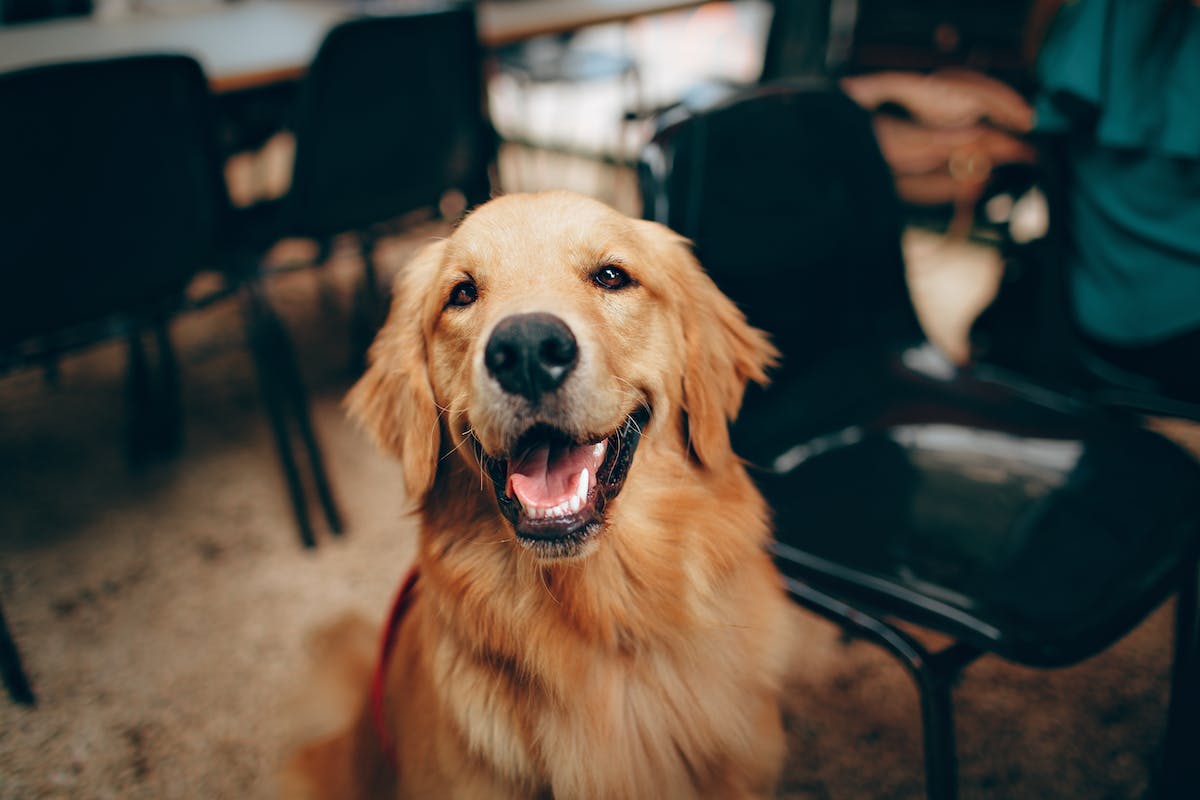
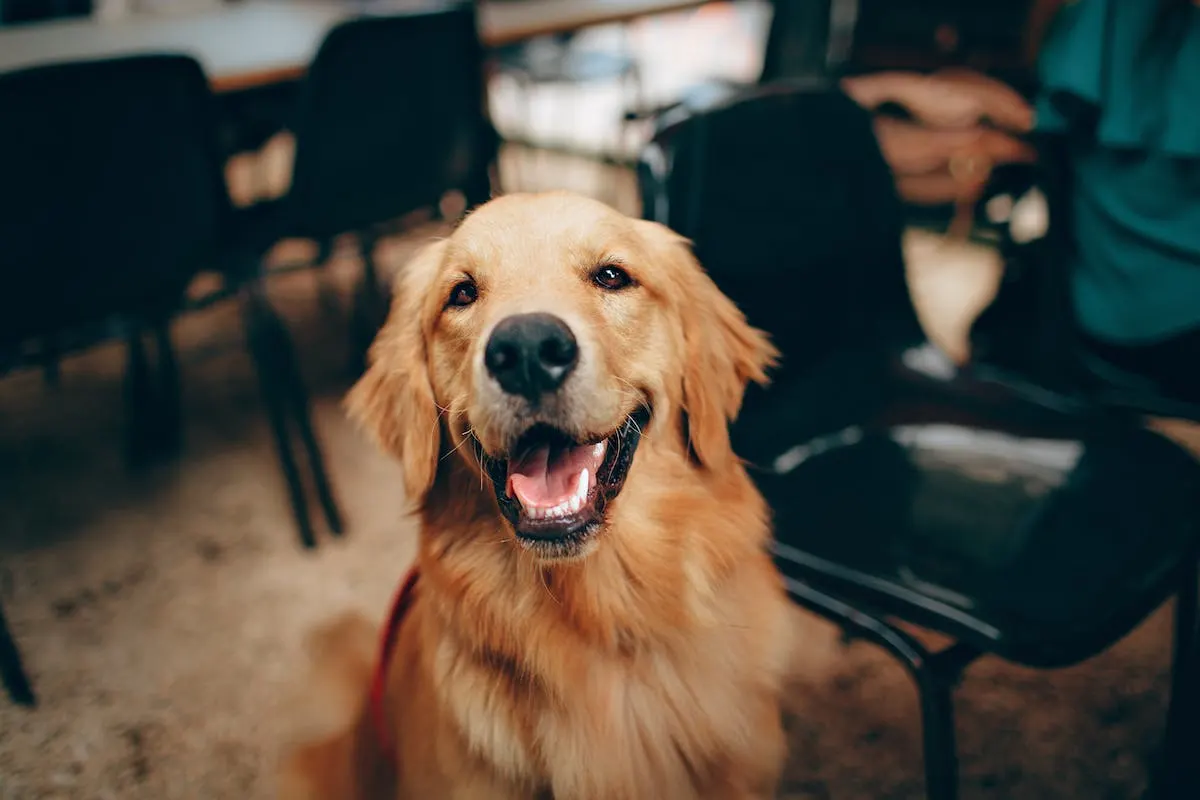
Some dogs have an uncanny ability to show human-like traits, making them seem almost like part of the family. They mirror our emotions, mimic our actions, and their intelligence and empathy often make them stand out. Whether it’s a Golden Retriever offering comfort when you’re down or a Border Collie solving complex problems, these dogs often act more like human companions than pets. Here are some of these remarkable breeds that have an uncanny way of connecting with us.
Read it Here: 12 Dogs That Think They’re Human (And Act Like It)
13 Weird And Wonderful Dog Instincts Humans Could Only Wish To Have


Dogs have instincts that are downright impressive, if not enviable. They’ve evolved with abilities that give them superpowers in the sensory world—think detecting the faintest scent trails or sensing subtle changes in our health. While we rely on gadgets and routines, dogs are busy using a built-in compass and an almost psychic sense for emotions. These traits make them not only loyal companions but also fascinating creatures with skills we could only wish for.
Read it Here: 13 Weird And Wonderful Dog Instincts Humans Could Only Wish To Have
*Select images provided by Depositphotos.