
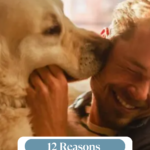
Most dogs don’t connect with people at random. When a dog seems to instantly bond with someone, there’s usually clear reasoning behind it. They’re constantly reading tone, posture, scent, routine and emotional steadiness long before we realize they’re paying attention. What looks like chemistry is often the result of consistency, safety and shared energy.


They associate them with positive experiences


Dogs form strong attachments to people who consistently create good outcomes. When someone regularly brings walks, playtime, treats or calm praise into their day, that person becomes linked to security and reward. Over time, the dog builds a predictable emotional response around that individual. It’s not manipulation. It’s simple conditioning layered with trust.
Their scent feels familiar and reassuring


Scent is central to how dogs experience the world. A person who spends steady time with a dog develops a familiar scent profile that signals comfort and safety. Dogs gravitate toward that smell during stress or uncertainty because it anchors them. The more consistent the exposure, the stronger the attachment tied to scent memory.
Their body language feels safe


Dogs are fluent in posture and movement. Someone who moves calmly, avoids looming over them and approaches with relaxed gestures communicates safety without saying a word. People who are tense, abrupt or overly animated can feel unpredictable. Dogs naturally “click” with individuals whose physical presence feels steady and non-threatening.
Their energy level matches the dog’s temperament


A high-drive dog often bonds with someone who enjoys activity, structure and engagement. A more laid-back dog may prefer someone who speaks softly and moves slowly. When a person’s natural pace aligns with a dog’s personality, interactions feel easier and more intuitive. That alignment creates a smoother bond.
Their tone of voice is consistent and reassuring


Dogs respond far more to tone than vocabulary. A person who uses a steady, warm voice builds predictability. Sharp changes in volume or emotional tone can create confusion. Over time, dogs choose to stay close to the voice that feels stable and clear because it reduces uncertainty.
They’re consistent with routines


Dogs thrive on structure. The person who reliably feeds them, walks them or trains them at consistent times becomes associated with order and security. Inconsistent behavior can make a dog hesitant. Reliability builds comfort, and comfort strengthens attachment.
They respect boundaries


Some people instinctively allow a dog space to approach rather than forcing interaction. They notice signs of stress and adjust their behavior accordingly. Dogs respond strongly to that respect. When they feel heard and not pressured, trust forms faster and the connection deepens.
They remain calm during stress


Dogs are highly attuned to emotional regulation. During loud noises, vet visits or chaotic situations, they watch how people respond. A calm, grounded presence becomes a safe base. If someone consistently stabilizes the environment rather than amplifying stress, the dog is more likely to attach to them.
They engage in meaningful interaction


Interactive play, focused training sessions and shared experiences build layered bonds. When someone is mentally present rather than distracted, dogs notice. Engagement strengthens communication and reinforces mutual understanding. That shared attention accelerates connection.
They’ve built positive history together


Past experiences shape future preference. If a dog has repeatedly experienced comfort, fairness and predictable outcomes with someone, that history carries weight. Dogs remember patterns. Even small, repeated moments of patience and kindness accumulate into loyalty.
They communicate clearly


Clear cues and consistent commands reduce confusion. A person who communicates in simple, repeatable ways becomes easier for a dog to understand. Clarity lowers stress and strengthens trust. Dogs naturally gravitate toward people who make their world easier to navigate.
They radiate authenticity


Dogs are highly sensitive to subtle inconsistencies between body language and emotion. When someone’s actions match their tone and intent, the dog perceives sincerity. That alignment builds trust faster than forced enthusiasm ever could. Dogs tend to “click” with people who feel emotionally steady and genuine.
12 Reasons Your Dog Loves Certain People More Than Others


Dogs are great at making us feel like their favorite person—unless they’ve clearly picked someone else. Ever wonder why your dog seems to gravitate toward certain people? It’s not random, and it’s not just about who has the treats (though that helps). Dogs have their own unique criteria for deciding who they like best, and some of it might surprise you.
Read it Here: 12 Reasons Your Dog Loves Certain People More Than Others
10 Things Dogs Notice About People That Humans Don’t


Dogs have an uncanny ability to notice things about people that we don’t even pick up on ourselves. While we’re busy overanalyzing someone’s words or actions, dogs are tuned into the subtle stuff—like changes in mood, body language, or even how fast we’re breathing. It’s like they’ve got a sixth sense, except it’s backed by science and instincts we’ll never fully understand.
Read it Here: 10 Things Dogs Notice About People That Humans Don’t