
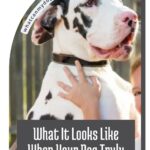
Trust isn’t something dogs give freely or all at once. It builds through consistency, predictability, and feeling safe over time. When a dog truly trusts someone, it’s evident in how they move, rest, and behave around that person, especially in moments when they’re most vulnerable. These signals reflect a deeper sense of security and confidence in the relationship.


They expose their belly without hesitation


When a dog rolls onto their back and relaxes, they’re showing their most vulnerable area. This isn’t just about asking for a belly rub. It’s a clear signal that they feel safe enough to let their guard down completely. Dogs don’t do this around people they’re unsure of.
They maintain soft, relaxed eye contact


Gentle eye contact signals comfort and connection. When a dog looks at you without tension or avoidance, it shows trust rather than challenge. This type of eye contact often appears during calm moments and reflects emotional security rather than excitement.
They follow you calmly, not anxiously


A dog that trusts you may move from room to room with you, but without signs of stress. This behavior shows attachment and confidence, not fear of being left. They’re choosing proximity because it feels safe, not because they’re panicking.
They lean their body against you


Leaning involves placing weight on someone else, which requires trust. Dogs do this when they feel secure and supported. It often happens during quiet moments and signals that they’re comfortable relying on you physically and emotionally.
They sleep near you or touch you while resting


Sleep is a vulnerable state for dogs. Choosing to rest near you or make contact while sleeping shows they feel protected in your presence. This behavior reflects deep trust, especially in dogs that are otherwise cautious or alert.
They share valued objects with you


When a dog brings you a favorite toy or item, they’re sharing something they consider important. This behavior reflects trust rather than possession. They believe you won’t take it away or misuse it, which shows confidence in your intentions.
They allow handling without resistance


Letting someone touch sensitive areas like ears, paws, or tail requires trust. Dogs that feel safe will tolerate or accept this contact calmly. This doesn’t mean they enjoy every interaction, but they trust that you won’t cause harm.
They eat comfortably in your presence


Eating puts dogs in a vulnerable position. A dog that eats calmly around you isn’t worried about their food being taken or threatened. This behavior often reflects a strong sense of safety and stability.
They show relaxed behaviors like yawning or stretching


Yawning, stretching, or sighing around you signals comfort. Dogs don’t display these relaxed behaviors when they feel tense or threatened. These small actions show they’re at ease and not on alert.
They tolerate sudden movements without fear


A dog that trusts you won’t flinch or react defensively to quick movements. This doesn’t mean they’re desensitized to noise or motion overall. It means they trust that your actions won’t lead to harm.
They allow you to approach from behind


Turning their back or allowing someone to stand behind them shows trust. Dogs instinctively protect their rear in uncertain situations. Letting their guard down this way reflects confidence in your presence.
They seek you out during stress or fear


When dogs feel anxious or overwhelmed, they go to whoever they trust most. If your dog comes to you during storms, loud events, or unfamiliar situations, it shows they see you as a source of safety and reassurance.
They recover quickly after being startled


Even calm dogs get surprised. A dog that trusts you will settle faster after a scare when you’re nearby. Your presence helps regulate their stress because they associate you with safety.
They bring you items during moments of connection


Dogs sometimes bring objects as part of bonding behavior. This isn’t always play driven. It can be a way of including you or sharing something meaningful. This behavior reflects trust in social interaction.
They relax their body fully around you


Loose posture, soft muscles, and relaxed facial expressions are strong indicators of trust. When a dog consistently shows these signs around you, it means they don’t feel the need to stay guarded.
9 Signs Your Dog Loves You More Than Anything


Dogs have their own unique ways of showing love, and some of their behaviors can be downright heartwarming. From following you around the house to giving you those big, loving eyes, these actions speak volumes about their affection. Here are some of the ways your dog might be showing you that you’re their favorite person.
Read it Here: 9 Signs Your Dog Loves You More Than Anything
9 Ways Your Dog Tries To Tell You They Love You


Dogs may not be able to say “I love you,” but they have their own quirky ways of showing it. From that full-body tail wag when you walk through the door to the constant shadowing of your every move, your dog is basically shouting their affection without uttering a word. And while some gestures are obvious, like licking your face, others are more subtle and may surprise you.
Read it Here: 9 Ways Your Dog Tries To Tell You They Love You
*Select images provided by Depositphotos.