


Some dogs need more persistence and structure to follow commands. They might know what you’re asking but choose to focus on something else. Training a dog with this kind of temperament takes patience, consistency, and methods that work with their own motivations. When you build trust and use the right approach, they’ll start to respond more reliably. These techniques give you a practical way to help your dog listen better and become more cooperative.
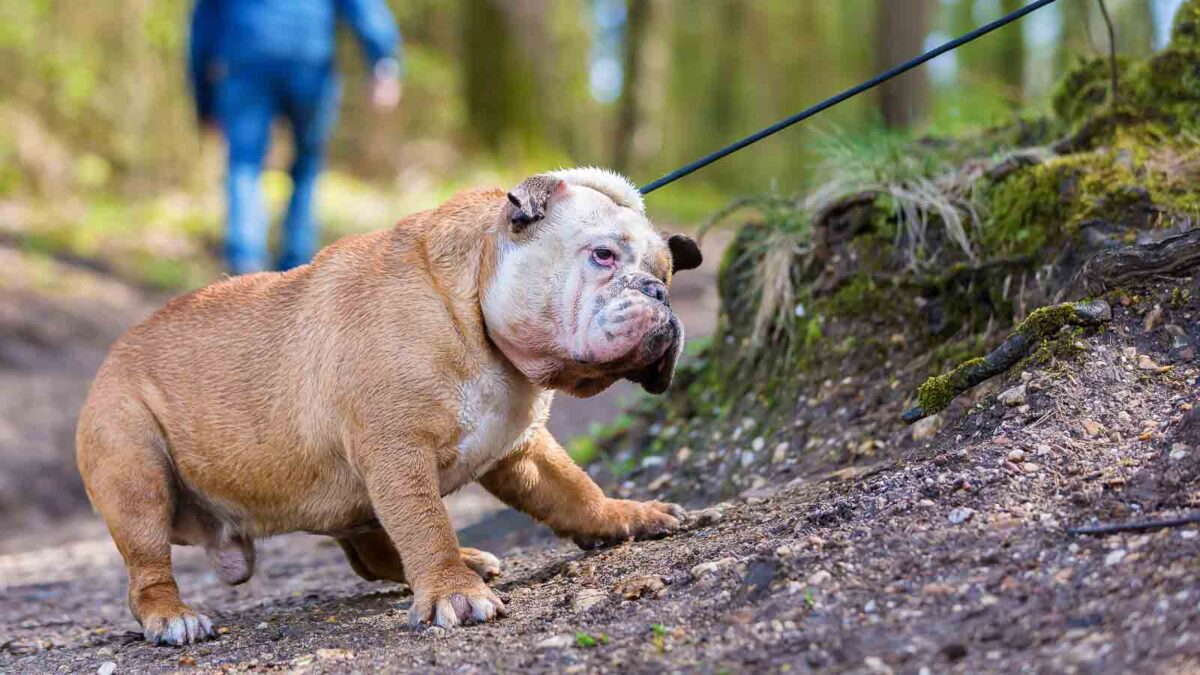

Keep your patience at the forefront


Training a stubborn dog is a long game. It can be frustrating when they seem to ignore every command, but losing your cool will only make them more resistant. Take a deep breath and remember that progress happens in small steps. Consistency and calm energy will do more to win them over than any forceful approach.
Offer rewards they care about

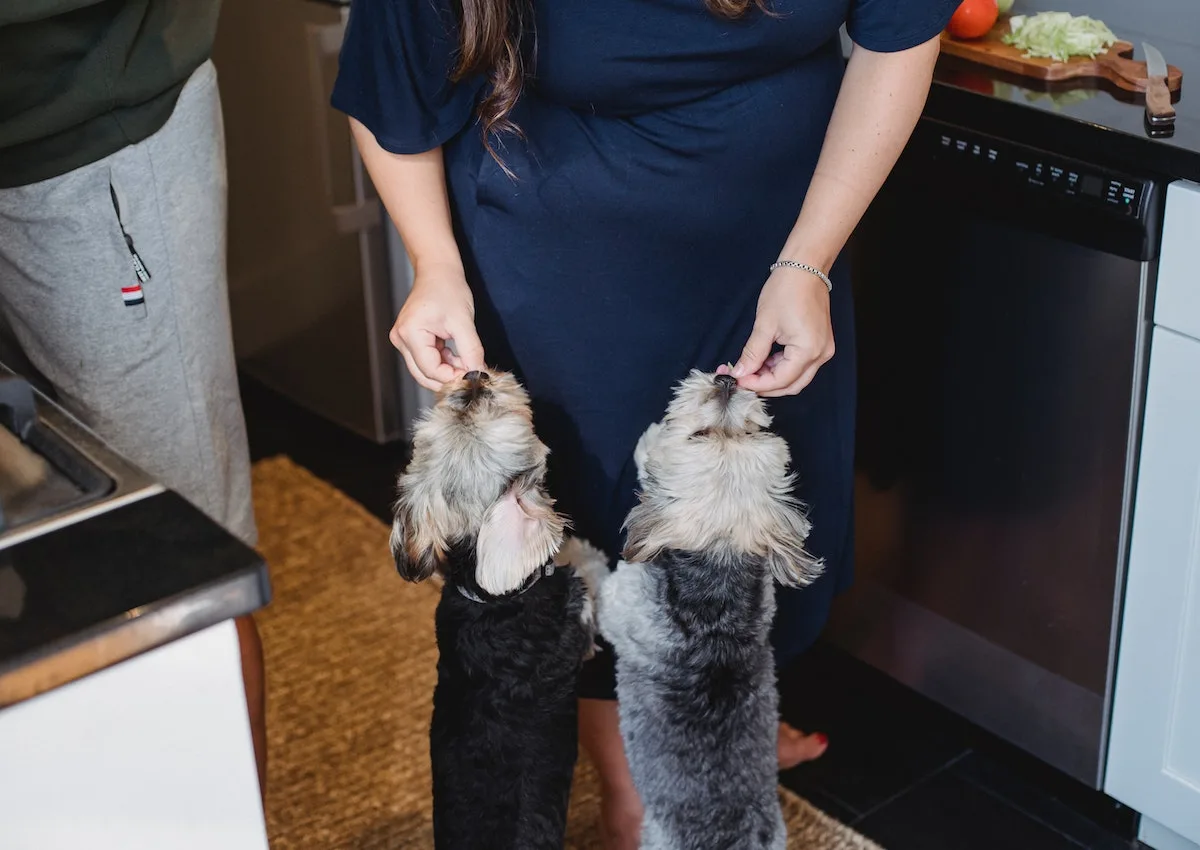
If your dog is ignoring your efforts, it may be because the reward is not worth their time. Upgrade to something truly tempting like small pieces of cheese, chicken, or a favorite soft treat. High‑value rewards grab their attention and make them far more likely to repeat the behavior you are asking for.
Keep training sessions short and upbeat


A stubborn dog will tune out quickly if the training feels long or repetitive. Aim for a few minutes at a time and make every moment count. End each session on a high note so your dog associates training with something positive. This approach helps them stay engaged and willing to come back for more.
Focus on rewarding what they do right


Positive reinforcement is one of the most powerful tools you have. Praise, treats, and playtime tell your dog they made the right choice. The more you focus on rewarding good behavior, the more they will want to repeat it. Avoid scolding for minor mistakes since it can sour the training experience.
Keep your commands consistent


Using the same word for the same action helps your dog connect the dots faster. If one person says “down” and another says “lie down,” the message gets muddled. Make sure everyone in the household uses the same language so your dog knows exactly what is expected.
Learn what motivates your dog


Every dog has something that drives them. It could be a ball, a squeaky toy, belly rubs, or a certain treat. Find that one thing and use it to your advantage during training. When you work with their personal preferences, you will see them respond more quickly.
Turn training into playtime


Training doesn’t need to feel like work. Hide treats around the house and call your dog to find them or set up a simple obstacle course. Games that engage their body and mind make learning feel like fun. This makes them more willing to participate without even realizing they are training.
Keep your own energy positive


Dogs are quick to pick up on frustration and tension. If you are relaxed, upbeat, and encouraging, your dog will mirror that energy. Smile, use a friendly voice, and let your enthusiasm show. This makes the entire experience more enjoyable for both of you.
Try clicker training for precision


A clicker marks the exact moment your dog does the right thing. The sound becomes a signal that a reward is coming, which helps them make the connection faster. Pair each click with a treat and they will quickly learn what earns them the sound and the reward.
Set rules and stick to them


If your dog is allowed on the couch one day and scolded for it the next, they will never understand the rule. Stubborn dogs thrive on clarity. Be firm and consistent so the boundaries are clear in every situation. This prevents confusion and keeps them from testing you unnecessarily.
Give them new experiences


A well‑socialized dog is generally more adaptable and easier to train. Take them on walks in different neighborhoods, let them meet other dogs, and expose them to new environments. This builds confidence and reduces the likelihood that stubbornness comes from fear or uncertainty.
Call in an expert when needed


If you have tried everything and your dog still refuses to listen, it may be time to seek help from a professional trainer. An experienced trainer can observe your dog’s behavior and give you specific techniques tailored to their personality. Sometimes a fresh perspective is all it takes to break through the resistance.
15 Dogs That Practically Train Themselves
Training a dog can be a challenge, but some breeds make it a whole lot easier. These dogs are smart and eager to please, making them quick learners. Whether you’re a first-time dog owner or just want a pup that’s easy to work with, these breeds will make you feel like a training pro. They range from playful companions to diligent workers, but each is an absolute dream to train and a well-trained pup makes life so much easier.
Read it Here: 15 Dogs That Practically Train Themselves
How To Clicker Train A Dog Using Positive Reinforcement


Clicker training is a popular and effective method for teaching young and old dogs new behaviors and commands using positive reinforcement. By using a clicker — a small handheld device that makes a distinct clicking sound — you can communicate with your dog and reward desired behaviors precisely.
Read it Here: How To Clicker Train A Dog With Positive Reinforcement
*Select images provided by Depositphotos.