


Some dogs seem to have a comment for everything that moves or makes a sound. A passing car, a squirrel in the yard, even the wind can set them off. While barking is natural, constant noise can be stressful for both you and your neighbors. Managing this habit takes patience, consistency, and a plan that addresses the cause rather than just the noise.
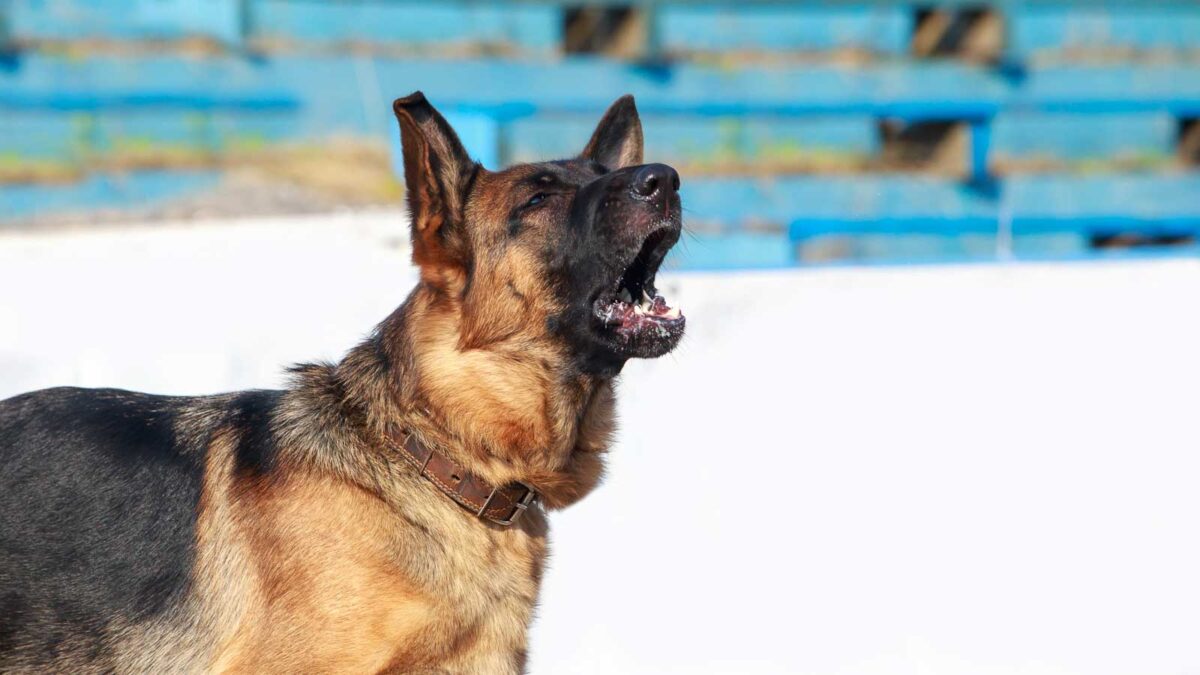

Ignore the barking when it is for attention


If your dog learns that barking gets them a reaction, they will keep doing it. Even looking at them can be enough to reward the noise. Stay consistent by avoiding eye contact, not speaking to them, and not giving in until they are quiet. Over time they will learn that silence is what gets them noticed.
Give them enough exercise to burn off energy


Dogs with unspent energy are far more likely to bark at anything they see or hear. Long daily walks, active play sessions, and activities like fetch or swimming can help release that energy. When your dog is physically satisfied, they are less likely to look for things to bark at.
Teach a clear “quiet” command


A reliable “quiet” cue can help stop barking before it gets out of control. Start in a calm, low‑distraction setting and reward them the moment they stop making noise. Gradually practice in more distracting environments so they learn to respond even when excited.
Block or remove what sets them off


If your dog reacts to the mail carrier, people walking past your yard, or neighborhood cats, reduce their access to those triggers. Closing curtains, moving them to a quieter room, or using a visual barrier can cut down on opportunities to bark.
Gradually desensitize them to triggers
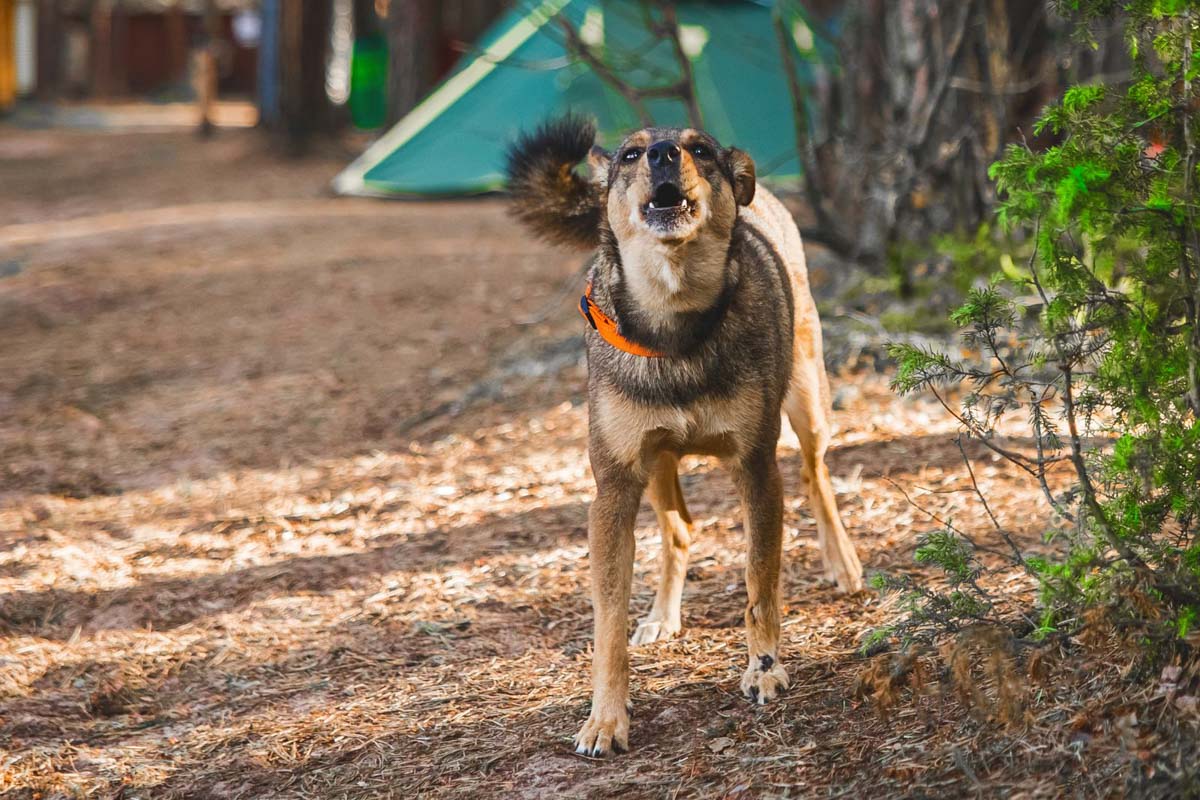

Expose your dog to the things that set them off in small, controlled amounts while rewarding calm behavior. Slowly increase the level of exposure over time. With enough repetition they will learn that those sights and sounds are not a threat and do not require barking.
Redirect their focus before they start


When you know something is about to set them off, get their attention first. Offer a toy, start a training exercise, or toss a treat in another direction. Changing their focus before the barking starts makes it easier to prevent the behavior entirely.
Keep their mind busy


Mental stimulation is just as important as physical exercise. Use puzzle feeders, treat‑dispensing toys, and short training sessions to keep them engaged throughout the day. A mentally tired dog is far less likely to bark at every little movement outside.
Help them feel comfortable around new things


Socializing your dog with different people, places, and animals can reduce barking caused by fear or uncertainty. The more they encounter the world in a positive way, the less reactive they will be to everyday sights and sounds.
Create a calm home environment


A peaceful space can make a big difference for a dog prone to barking. Give them a quiet area with a comfortable bed and use calming aids like gentle background music or pheromone diffusers. Reducing stress in the home helps them stay settled.
Reward quiet moments


Praise and reward your dog when they are calm and quiet, even if you did not cue it. This teaches them that being silent can earn them good things. Over time they will begin to choose quiet behavior more often.
Work with a trainer if needed


If barking is severe or tied to fear or aggression, a professional trainer can help identify the cause and give you tailored solutions. They can also guide you on how to respond in a way that does not unintentionally reinforce the behavior.
Use humane tools only as a last resort


Some dogs may need additional help to break the barking habit. If all else fails, talk to a trainer or veterinarian about safe, humane tools like vibration collars. These should always be part of a larger training plan rather than the only solution.
13 Dog Breeds That Are Stubborn As A Mule To Train
Training a dog can be a challenge, but some breeds are tougher than you might think. Even if they’re cute and lovable, these dogs can test your patience with their stubborn and independent streaks. If you’re considering one of these breeds, be prepared for a bit of a battle.
Read it Here: 13 Dog Breeds That Are Stubborn As A Mule To Train
How To Train A Dog To Walk On A Leash


Training your dog to walk on a leash is essential for day to day life as a dog owner. We’ve all seen people walking down the street being pulled around by their dog. The dog taking the owner for a walk versus the other way around.
Read it Here: How To Train A Dog To Walk On A Leash
*Select images provided by Depositphotos.