


Some dogs are more likely to face serious health issues over their lifetime, and caring for them can become a significant financial commitment. Large breeds, short‑faced dogs, and those with inherited conditions often need frequent vet visits, specialized treatments, or even surgery. The cost of medication, diagnostics, and ongoing care adds up quickly, making pet insurance almost essential for many owners. These breeds are cherished companions, but keeping them healthy can come with a price that is higher than most people expect.


English Bulldog


English Bulldogs are charming companions but their health problems can be extensive and expensive. Their short, pushed‑in faces often cause breathing issues that may require surgery to correct. They are also prone to hip dysplasia, frequent skin infections, and joint problems. Many owners find themselves making regular vet visits throughout the year, which adds up quickly. Insurance companies take note of these risks, which is why premiums for Bulldogs tend to be among the highest.
Rottweiler


Rottweilers are powerful, loyal dogs but they come with several inherited health concerns that can be costly to manage. Hip and elbow dysplasia are common, and this breed is also at risk for heart problems like aortic stenosis as well as certain cancers including bone cancer. These conditions often require specialized care, diagnostic testing, and sometimes surgery, all of which drive up both medical costs and insurance rates.
Great Dane


The towering Great Dane is a gentle giant but also a breed that needs close monitoring for serious health issues. Their size puts them at high risk for bloat, a life‑threatening condition that requires emergency surgery. Heart disease and hip dysplasia are also common. Because they often need advanced veterinary care and have a relatively short lifespan, the cost of keeping them healthy can be steep year after year.
French Bulldog
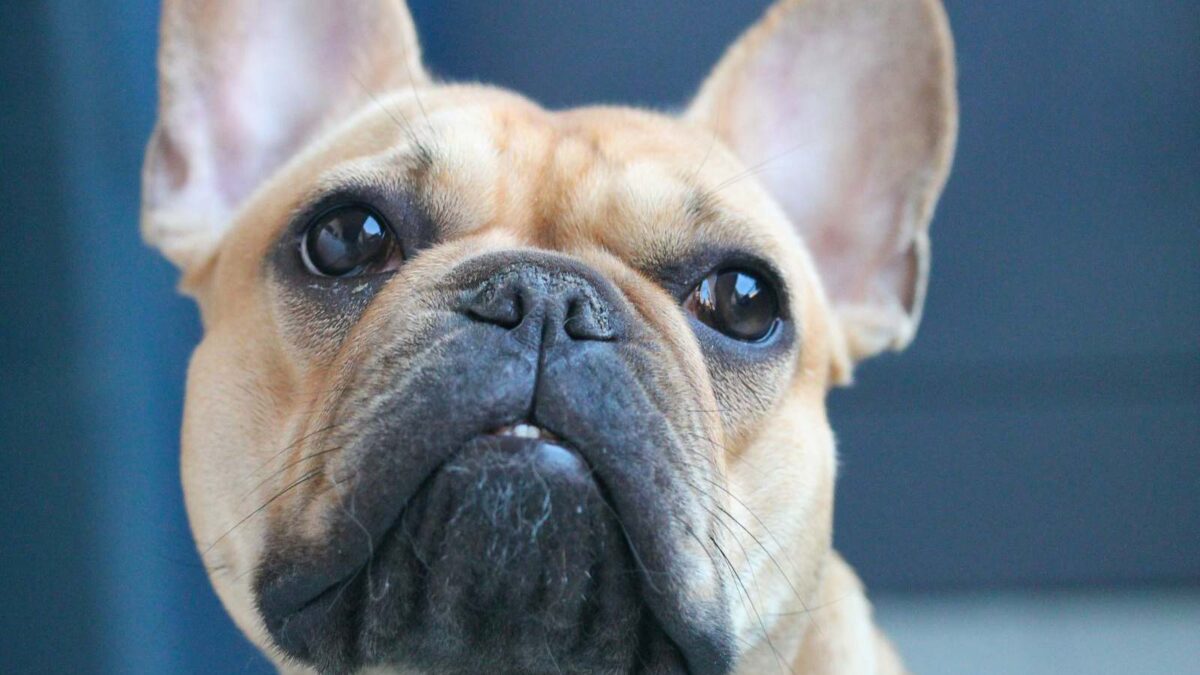

French Bulldogs have skyrocketed in popularity but they are one of the most expensive breeds to care for medically. Their flat faces lead to breathing problems, they are prone to spinal disorders like intervertebral disc disease, and many develop allergies and skin problems. They may require surgeries, special diets, and ongoing treatments, all of which make insurance premiums and vet bills climb.
Newfoundland


Newfoundlands are gentle, family‑oriented dogs with a long list of potential health issues. They are prone to heart conditions such as subvalvular aortic stenosis, hip dysplasia, and a hereditary kidney disorder called cystinuria. These problems often require specialist care, regular screenings, and sometimes lifelong medication, which makes them an expensive breed to keep in good health.
Irish Wolfhound


Irish Wolfhounds are majestic sight hounds but their health can be fragile. They have one of the shortest lifespans of any breed and are prone to heart disease, bone cancer, and joint problems. Their large size makes any medical treatment more expensive, from imaging to medication doses, and their care often involves frequent vet visits to monitor for serious illness.
Bernese Mountain Dog


Bernese Mountain Dogs are beloved for their gentle nature but are unfortunately prone to a number of severe health conditions. Cancer rates in this breed are high, with histiocytic sarcoma being a major concern. They are also at risk for hip and elbow dysplasia and bloat. Treating these illnesses can be financially draining and is one reason Berners are considered costly to insure.
German Shepherd


German Shepherds are intelligent and versatile working dogs but they are known to have orthopedic and neurological health challenges. Hip and elbow dysplasia are common, and degenerative myelopathy, a progressive spinal cord disease, can require months or years of supportive care. Add in skin allergies and digestive sensitivities and the cost of managing their health over a lifetime can be significant.
Bullmastiff


Bullmastiffs are strong, imposing dogs that often require significant medical care throughout their lives. They are at risk for cancer, hip dysplasia, and bloat, and they often need advanced treatment for these conditions. Their large size means medications, anesthesia, and imaging are more expensive, which is reflected in high vet bills and elevated insurance premiums.
Saint Bernard


Saint Bernards are gentle giants but their massive size brings a long list of costly health concerns. Hip dysplasia, heart problems, and eyelid issues such as entropion are common. These conditions often require surgical intervention or ongoing veterinary care. Their short lifespan and tendency toward multiple health problems make them one of the pricier breeds to keep healthy.
Doberman Pinscher


Dobermans are sleek and athletic but they are prone to several costly medical conditions. Dilated cardiomyopathy is a common and serious heart problem in the breed. They may also suffer from von Willebrand’s disease, a blood clotting disorder, as well as hip dysplasia. These issues can require specialist visits, ongoing medication, and advanced testing, all of which make them expensive to own.
Chow Chow


Chow Chows have a striking appearance but they are prone to a range of health issues that can lead to high medical bills. Hip dysplasia and eye problems such as entropion are common, and they are also at risk for autoimmune diseases that require long‑term management. Their dense coat can hide skin infections that need veterinary attention, adding another layer of potential expense.
Old English Sheepdog


Old English Sheepdogs are lovable and distinctive with their shaggy coats but they face several chronic health issues. Hip dysplasia, hypothyroidism, and even congenital deafness are all seen in this breed. Regular grooming is essential to keep their coat healthy and to prevent skin infections, adding grooming costs on top of already high veterinary bills. For many owners, insuring this breed is a necessity rather than a choice.
Top 10 Most Expensive Dog Breeds To Own


Owning a dog can be a wonderful experience, but some breeds come with a significantly higher price tag than others. Whether it’s due to their rarity, grooming needs, or health care requirements, these dogs are considered luxury pets. These are the most expensive dog breeds to own and what makes each of them uniquely costly.
Read it Here: Top 10 Most Expensive Dog Breeds To Own
12 Reasons Not To Get A Designer Dog Breed


Designer dog breeds might seem like the latest trend, but they come with their own set of challenges that aren’t always obvious at first glance. Before you fall for their adorable looks and unique names (who wouldn’t want a Chiweenie?), it’s important to understand the potential downsides that can come with these fashionable pets.
Read it Here: 12 Reasons Not To Get A Designer Dog Breed
*Select images provided by Depositphotos.