


Some dog breeds require far more medical care than others, and veterinarians know exactly which ones top that list. These dogs often face inherited conditions, chronic illnesses, or structural traits that make them prone to ongoing health problems. Keeping them comfortable and healthy can mean frequent checkups, specialized treatments, and sometimes costly procedures. While they can make wonderful companions, they also demand a level of care and commitment that not every owner is prepared for.
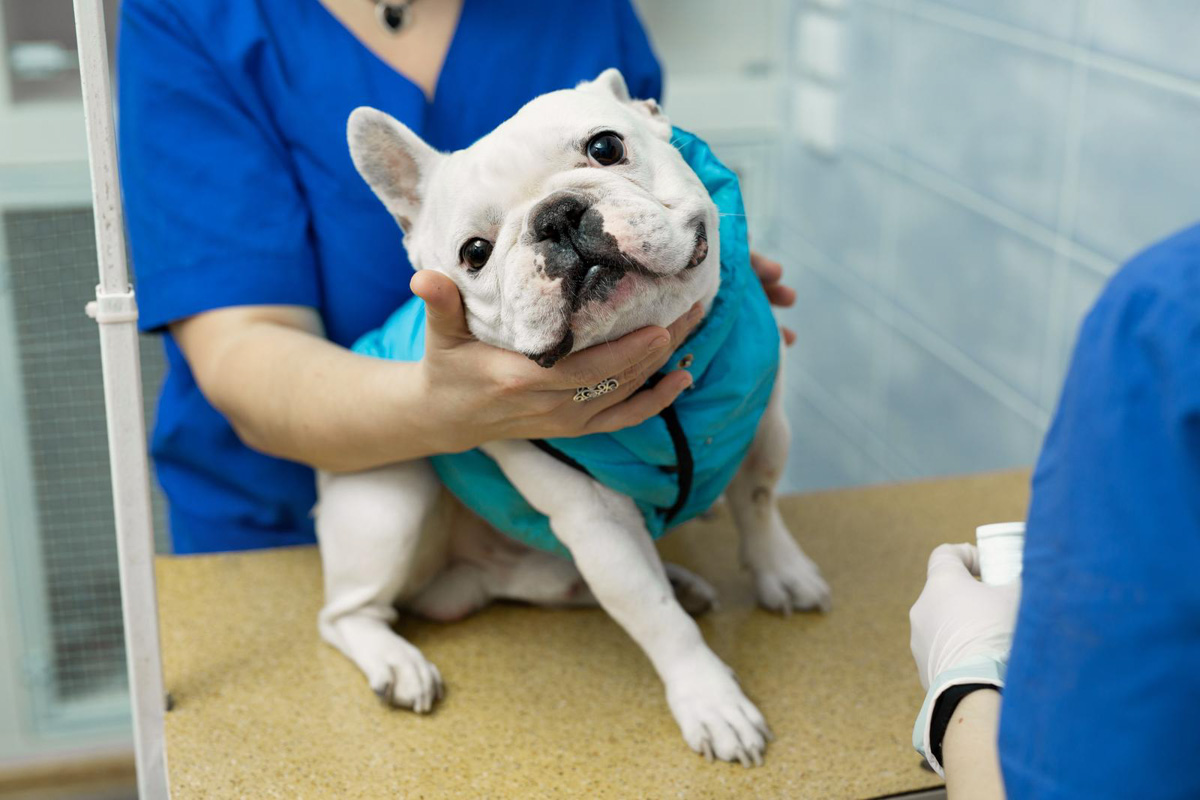
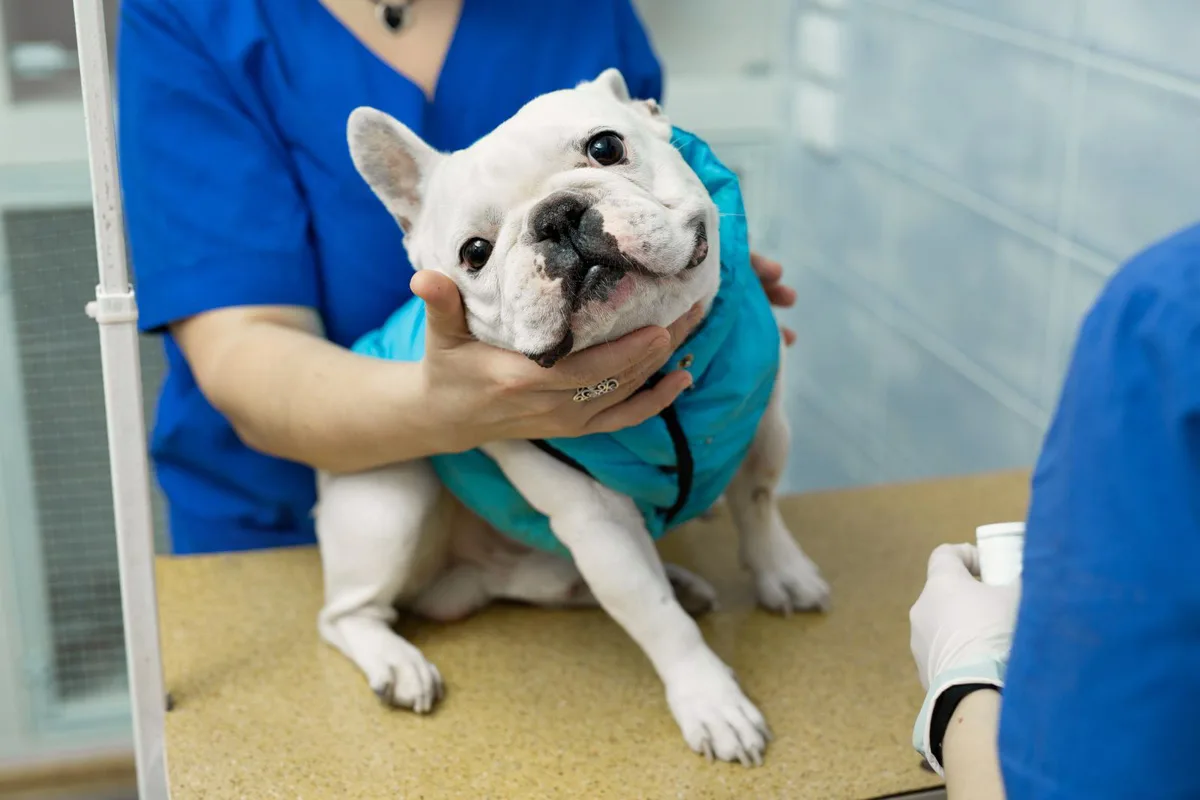
Bulldog


Bulldogs are undeniably charming but their health challenges are among the most complex of any breed. Their short, flat faces make breathing difficult, and many require surgery to improve airflow. Skin folds trap moisture and bacteria, leading to repeated infections, while their heavy build contributes to joint strain and overheating. These issues mean Bulldogs often spend more time at the vet than at the park.
Chihuahua


Chihuahuas are tiny in size but can have oversized health problems. Their small mouths often lead to overcrowded teeth that need constant cleaning or dental procedures. They are also prone to heart murmurs, collapsing kneecaps, and low blood sugar. Without diligent care, these conditions can escalate quickly, which is why vets approach the breed with caution.
German Shepherd


German Shepherds are brilliant working dogs but suffer from a high rate of hip and elbow dysplasia. As they age, they are also prone to degenerative myelopathy, a progressive spinal cord disease that affects mobility. These conditions often require long‑term management, advanced imaging, and sometimes surgery, making them a demanding breed from a veterinary standpoint.
Dachshund


The Dachshund’s long spine and short legs make them prone to serious back injuries. Intervertebral disc disease is a common concern, and even a minor jump from furniture can trigger a painful episode. Severe cases may require surgery followed by extensive rehabilitation. Their body shape makes spinal care a lifelong priority for owners.
Pug


Pugs win hearts with their sweet expressions, but those same features cause significant health concerns. Their flattened muzzles lead to chronic breathing problems and overheating. Prominent eyes are easily injured, and skin fold infections are a frequent problem. Managing a Pug’s comfort often requires ongoing veterinary oversight.
Rottweiler

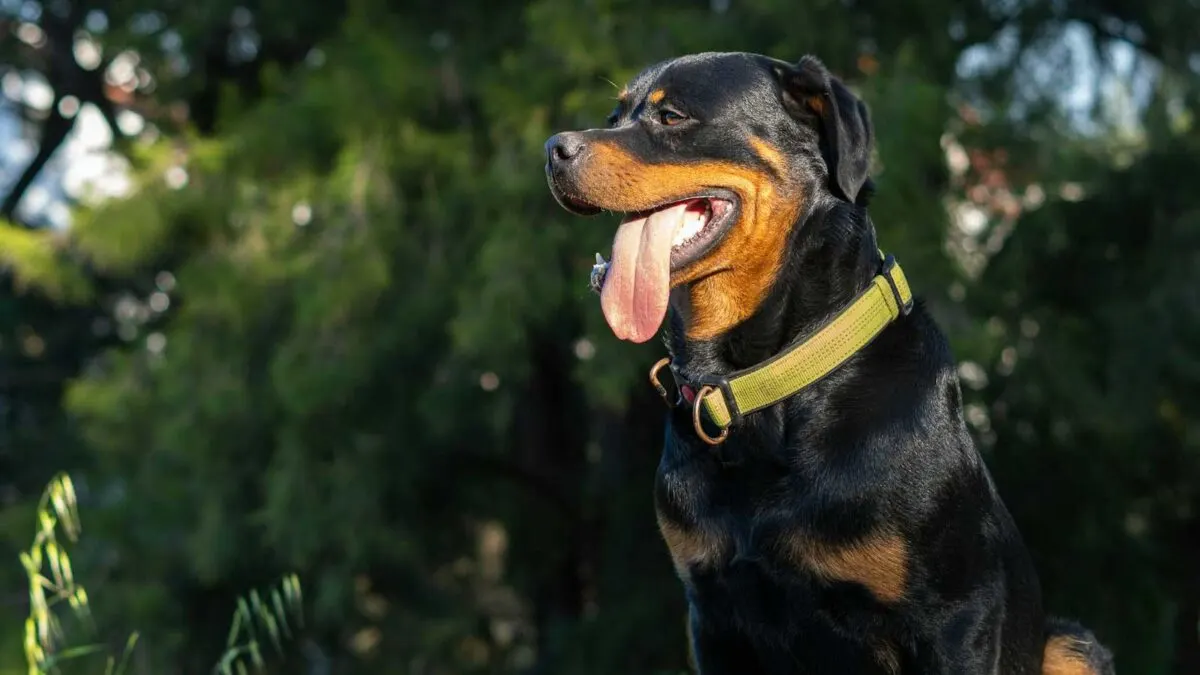
Rottweilers are strong and loyal but are prone to orthopedic problems and certain cancers. Hip and elbow dysplasia are common, and osteosarcoma, an aggressive bone cancer, occurs at a higher rate in the breed. Heart disease is also a concern. These conditions often require costly diagnostic testing and treatment.
Golden Retriever


Golden Retrievers are beloved companions but are highly susceptible to cancer, particularly lymphoma and hemangiosarcoma. They also tend to develop joint problems and skin allergies that require ongoing care. While their temperament makes them ideal family dogs, their health risks often mean frequent vet visits and expensive treatments.
Cavalier King Charles Spaniel


This gentle breed is prone to serious heart problems, most notably mitral valve disease. Many Cavaliers also suffer from syringomyelia, a painful neurological condition that affects the brain and spine. These health issues often require specialist care and can be lifelong concerns, making them one of the more medically demanding toy breeds.
Boxer


Boxers are playful and affectionate but face a high risk of developing cancer, especially mast cell tumors and lymphoma. They also have a tendency toward heart conditions and breathing difficulties due to their shorter muzzles. These factors often result in a lifetime of careful monitoring and multiple medical interventions.
Shar Pei


The signature wrinkles of a Shar Pei are adorable but contribute to frequent skin infections. They are also prone to entropion, a painful eye condition where the eyelids roll inward. In addition, the breed can develop autoimmune disorders that require long‑term management. These recurring problems make them challenging to keep healthy.
Great Dane


Great Danes are gentle giants with a tendency toward serious health problems. Bloat, a life‑threatening stomach condition, is common and often requires emergency surgery. Their large size also predisposes them to joint issues and heart disease. Owners must be prepared for higher veterinary costs due to the breed’s medical needs and shorter lifespan.
Yorkshire Terrier


Yorkies may be small but they present a variety of health challenges. Tracheal collapse, dental disease, and low blood sugar are frequent concerns. Their small size makes them more delicate during medical procedures, and even routine care can require extra attention. These vulnerabilities keep Yorkies on the watchlist for many veterinarians.
10 Ways To Help Your Senior Dog Stay Healthy And Active


As your dog gets older, keeping them healthy and active becomes even more important. Senior dogs have different needs compared to their younger counterparts, but with a little extra care, they can enjoy their golden years to the fullest. From adjusting their diet to ensuring they get enough mental stimulation, there are many ways to support your aging pet. Here are some practical tips to help keep your senior dog healthy and active, making sure they stay happy and comfortable as they age.
Read it Here: 10 Ways To Help Your Senior Dog Stay Healthy And Active
9 Ways To Make Vet Visits Less Stressful For Your Dog (And You)


Vet visits can be stressful for both dogs and their humans, but they don’t have to be a total nightmare. Sure, your dog might think it’s the end of the world when they walk through those clinic doors, but with a few clever tricks, you can turn the whole experience into something much less chaotic. Here’s how to keep things low-key and make them as comfortable as possible on your next visit.
Read it Here: 9 Ways To Make Vet Visits Less Stressful For Your Dog (And You)
*Select images provided by Depositphotos.