


Choosing the right dog food can feel overwhelming. Every bag claims to be the healthiest, and the variety of formulas is enough to confuse even experienced pet owners. Grain‑free, high‑protein, raw, organic — the options never seem to end. On top of that, your dog’s age, health, and personal preferences all play a role in what you should buy. The truth is, there is no single best food for every dog, but there are clear ways to narrow the search. These tips will help you cut through the noise so you can choose a food that truly supports your dog’s health and keeps mealtime stress‑free.


Read the ingredients label like you would your own food


The label tells you exactly what you are feeding your dog. Look for real, clearly named proteins such as chicken, turkey, beef, or salmon as the first ingredients. Whole vegetables, fruits, and grains provide fiber, vitamins, and minerals. Avoid vague phrases like “meat meal” or “animal fat” that hide questionable sources. Skip formulas overloaded with cheap fillers such as corn gluten or soy protein that add bulk without true nutrition. The cleaner and more specific the list, the better the food will be for your dog’s long‑term health.
Match the food to your dog’s life stage


A puppy has completely different nutritional requirements than a senior dog. Puppies need more calories, fat, and protein to fuel growth and development. Adults benefit from a balanced formula that maintains energy without excess weight gain. Senior dogs often need fewer calories, easier‑to‑digest proteins, and added joint support. Feeding a diet designed for the wrong age group can result in nutrient deficiencies or weight issues. Choosing the right life stage formula helps your dog thrive at every point in life.
Factor in your dog’s health conditions


Diet is one of the most effective tools for managing health issues. Dogs with allergies may require grain‑free or limited‑ingredient diets, while those with digestive sensitivities benefit from highly digestible proteins and added probiotics. Overweight dogs may need lower‑calorie formulas with more fiber to keep them full. Some chronic conditions, such as kidney disease, require specialized diets that control protein and phosphorus levels. Working with your veterinarian ensures your choice supports your dog’s unique needs.
Look for proof of nutritional standards


Pet food labels should clearly state that the food meets the nutritional requirements set by the Association of American Feed Control Officials (AAFCO). This certification means the food provides complete and balanced nutrition for the life stage stated on the package. Without it, there is no guarantee the formula meets your dog’s daily nutrient requirements. Always confirm that your chosen food carries this assurance before you buy.
Skip the artificial extras


Artificial colors, flavors, and preservatives provide no nutritional value and can cause problems for sensitive dogs. Brightly colored kibble may look appealing to humans, but it does nothing for your dog’s health. Choose foods preserved naturally with vitamin E (mixed tocopherols) or rosemary extract instead of synthetic chemicals. This small change can make a difference for dogs with allergies or digestive issues.
Understand meat by‑products before you decide
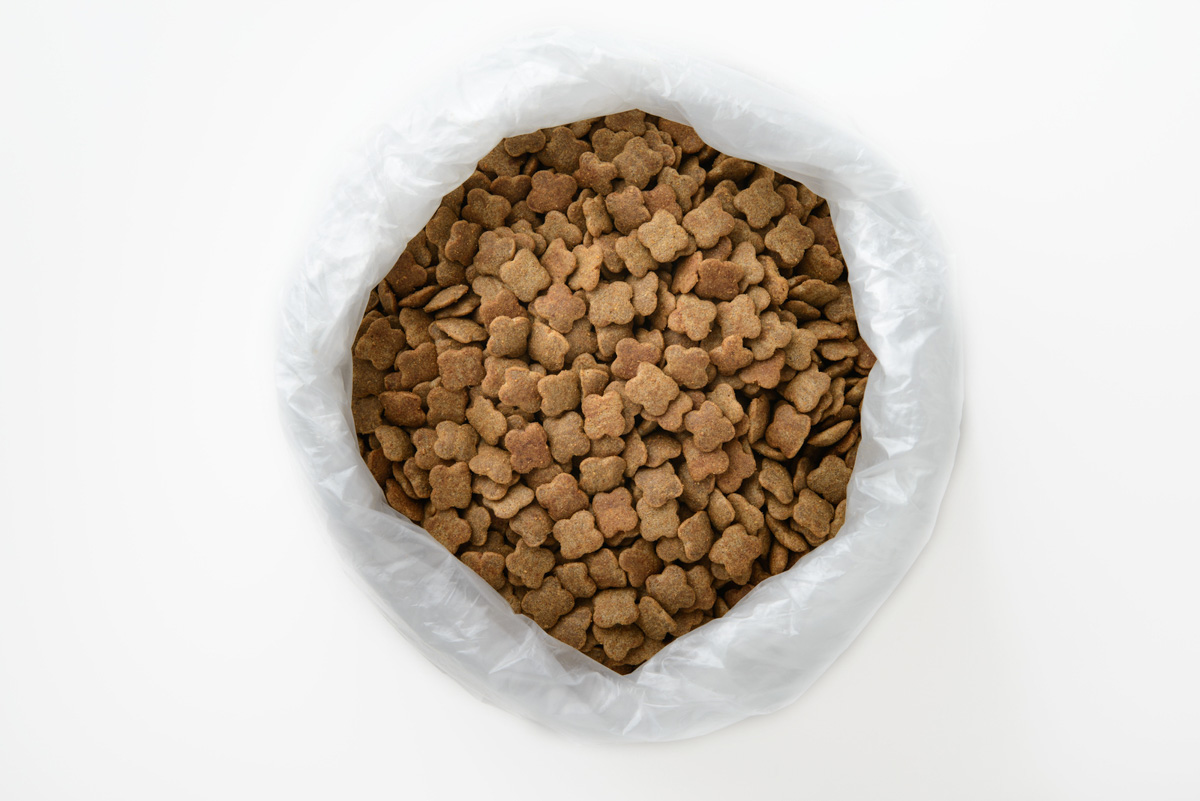

Not all by‑products are poor quality, but they vary greatly depending on the source. Named by‑products such as “chicken meal” or “lamb meal” can be nutrient‑dense and safe. Vague terms like “meat by‑products” are less trustworthy because the source is unknown. The more specific and transparent the labeling, the more confident you can be about the protein quality in your dog’s food.
Weigh the pros and cons of grain‑free diets


Grain‑free foods are trendy, but they are not automatically better for every dog. Some dogs thrive without grains, especially if they have confirmed allergies, while others do well on diets containing wholesome grains such as brown rice or oatmeal. Grain‑free formulas often replace grains with legumes or potatoes, which may not always be the best fit. Ask your vet before making the switch so you know it is right for your dog.
Check the protein source and amount


Dogs need adequate protein to maintain lean muscle mass, energy, and overall health. Look for meat, poultry, or fish as the primary ingredient, not plant‑based proteins alone. The guaranteed analysis on the package will show the percentage of protein, which should meet your dog’s needs for their size, breed, and activity level. Higher quality protein leads to better digestion and nutrient absorption.
Get real‑world feedback before committing


Talking to other dog owners, breeders, and veterinarians can help narrow your search. Online reviews may reveal whether a formula causes stomach upset, leads to better coat health, or actually appeals to picky eaters. Recommendations from trusted sources who have similar‑type dogs to yours can save you from trial‑and‑error frustration.
Start small before you buy big


A food may look perfect on paper but still not agree with your dog. Purchase the smallest bag available or request a sample from the manufacturer. This allows you to test whether your dog likes it and whether it works well for their digestion before committing to a large purchase. Switching foods gradually during this trial can also help prevent stomach upset.
12 Benefits Of Feeding Your Dog A Raw Diet


Raw food diets for dogs have picked up in popularity in recent years. Walk into any pet store and you’ll now see refrigerated cases with exorbitantly expensive raw food packages that would sooner bankrupt you if your dog weighs more than 10 pounds. The claims are impressive and many dog owners have taken to this trend by making their own at home to save on cost but still reap the benefits for their best friends.
Read it Here: 12 Benefits Of Feeding Your Dog A Raw Diet
10 Homemade Treats Your Dog Will Love


Making homemade treats for your dog is a great way to show them some extra love. Store-bought options can be full of questionable ingredients, but with these easy recipes, you’ll know exactly what your pup is eating. From chicken and rice meals to peanut butter cookies, we’ve got full meals to training treats covered.
Read it Here: 10 Homemade Treats Your Dog Will Love
*Select images provided by Depositphotos.