


Most dog owners do things every day that seem harmless but end up stressing their dogs out. It usually comes from habit, not neglect. Still, your dog notices. They react to how you talk, how you move, and what you expect from them. If something feels off, they show you. You just have to know what to look for and be willing to do a little better.


Hugging


While we may see hugging as affectionate, most dogs don’t read it that way. Wrapping your arms around their body can feel threatening or restrictive, especially if they can’t move away. Some tolerate it, but many freeze, turn their head, or show subtle signs of stress. Offer affection through gentle petting, soft voice tones, or a scratch in their favorite spot instead.
Strong Scents


Dogs experience the world through scent, and their noses are far more sensitive than ours. When we spray perfumes, use heavily scented cleaning products, or light strong candles, it can overwhelm them or even cause discomfort. Stick to unscented or pet-safe products, and avoid spraying anything near their bed, toys, or food area.
Playing Dress Up


A holiday sweater might seem cute to us, but for your dog, it can feel itchy, tight, or just unnecessary. Most dogs don’t like having their movement restricted by clothing, and some can become anxious or agitated when dressed up. Unless it’s for warmth or medical protection, skip the costumes and let your dog be comfortable.
Forced Social Interactions


Not every dog wants to make new friends at the park or be approached by strangers. Some dogs need time to warm up, and pushing them to interact when they’re uncomfortable can lead to stress or reactive behavior. Pay attention to their body language and let them choose when and how they want to engage.
Rushed Walks
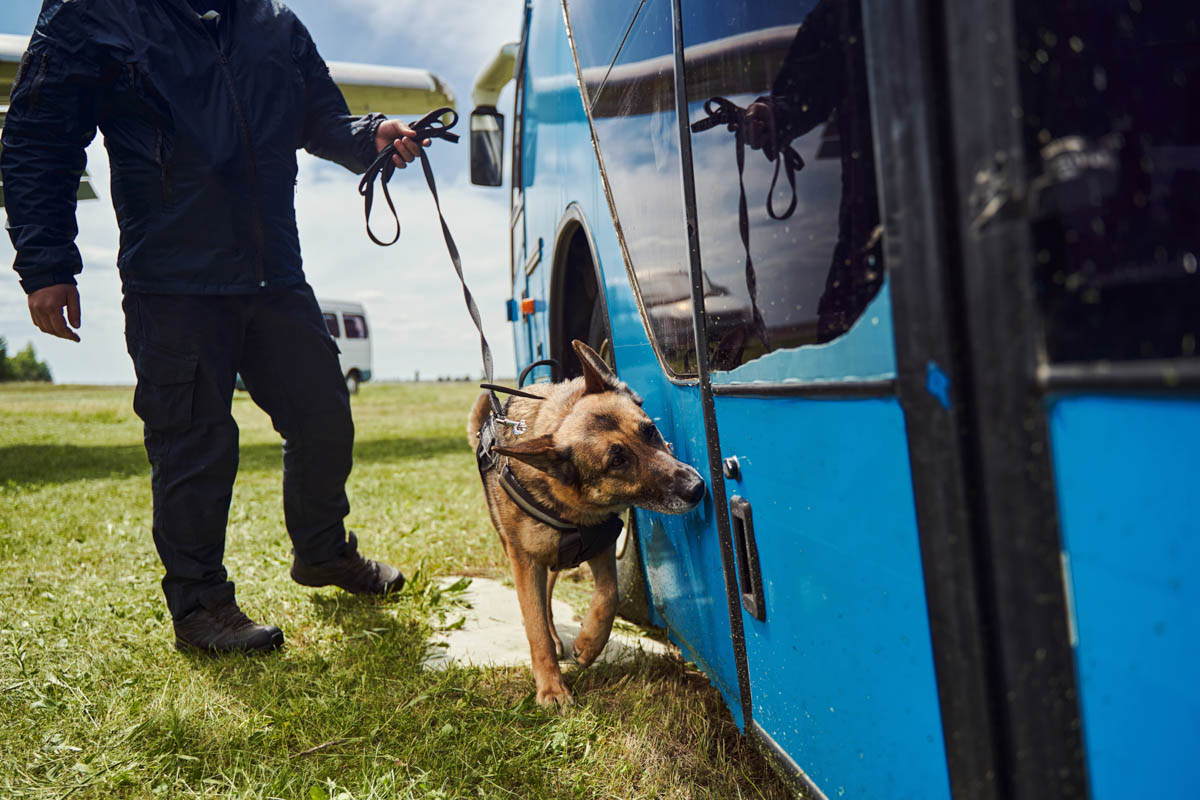

Sniffing is more than just a quirky habit—it’s how dogs gather information and engage with their environment. When you pull them along or keep the leash tight, you’re cutting short an important mental activity. Give them time to sniff, linger, and check things out. Walks are about more than exercise.
Yelling


Raising your voice might feel like the fastest way to get their attention, but dogs don’t process yelling the way we do. It often creates fear or confusion, and can break down trust over time. Use calm, clear communication and reward the behavior you want instead of punishing what you don’t.
Ignoring Body Language
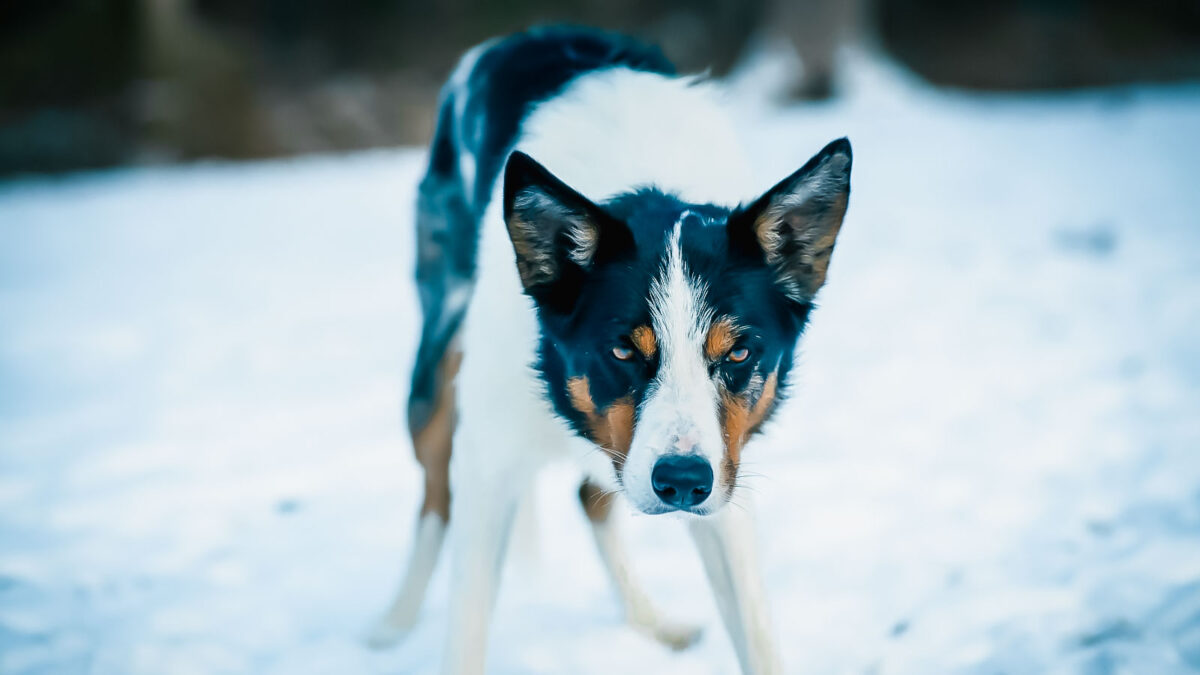

Dogs constantly communicate with us through posture, tail position, ears, and eye contact. When we miss or ignore those cues, like when they move away or freeze up, we’re not respecting their boundaries. Learn to read those signals and give them space when they need it.
Inconsistent Rules


Letting your dog on the couch one day and scolding them the next sends mixed signals. Inconsistent rules can lead to frustration and behavioral issues because your dog doesn’t know what you expect. Set clear boundaries and stick to them so your dog feels secure and understands what’s okay.
Leaving Them Alone for Too Long


Dogs are social creatures that rely on connection. Long periods of isolation can lead to boredom, anxiety, or destructive behavior. If your schedule keeps you away, make sure they have enrichment like food puzzles, chew toys, or a dog walker who can break up the day with interaction and movement.
Interrupting Sleep


Dogs need plenty of uninterrupted rest, especially puppies and seniors. Constantly waking them up for cuddles, photos, or playtime might seem harmless, but it can leave them grumpy or stressed. Let them sleep when they choose, and save the attention for when they’re alert and ready to interact.
Overloading With Commands


Throwing out command after command without giving your dog time to process can lead to frustration and confusion. Just like people, dogs learn better when things are broken down clearly and calmly. Keep training sessions short, simple, and focused, and always give them a chance to succeed before moving on.
12 Common Dog Behaviors That Owners Misinterpret


Dogs have their own quirky ways of communicating, and it’s easy for humans to get their signals mixed up. Sometimes, we might think they’re just being cute or naughty, but there’s often a deeper meaning behind their actions. From tail wagging to licking, these behaviors can be misinterpreted if we don’t know what to look for.
Read it Here: 12 Common Dog Behaviors That Owners Misinterpret
12 Dog Breeds with the Most Behavioral Problems


Some dogs come with a whole set of behavioral traits that can test even the most patient owner. From constant barking to destructive tendencies, these breeds can be challenging to manage. If you’re considering one of these dogs, it’s important to be prepared for their unique issues.
Read it Here: 12 Dog Breeds with the Most Behavioral Problems
*Select images provided by Depositphotos.