


Some dogs come with a whole set of behavioral traits that can test even the most patient owner. From constant barking to destructive tendencies, these breeds can be challenging to manage. If you’re considering one of these dogs, it’s important to be prepared for their unique issues.


Fila Brasileiro


Also known as the Brazilian Mastiff, the Fila Brasileiro is intensely loyal and protective. This breed’s strong guarding instincts can lead to aggression towards strangers and other animals. They require experienced handling and consistent socialization from an early age to manage their protective nature.
Chihuahua


Chihuahuas may be tiny, but they pack a big attitude. These little divas can be yappy, possessive, and aggressive towards strangers and other pets. They often exhibit “Napoleon Syndrome,” acting much larger than their actual size. Training and socialization are key to managing their feisty behavior and ensuring they don’t rule the roost.
Korean Jindo

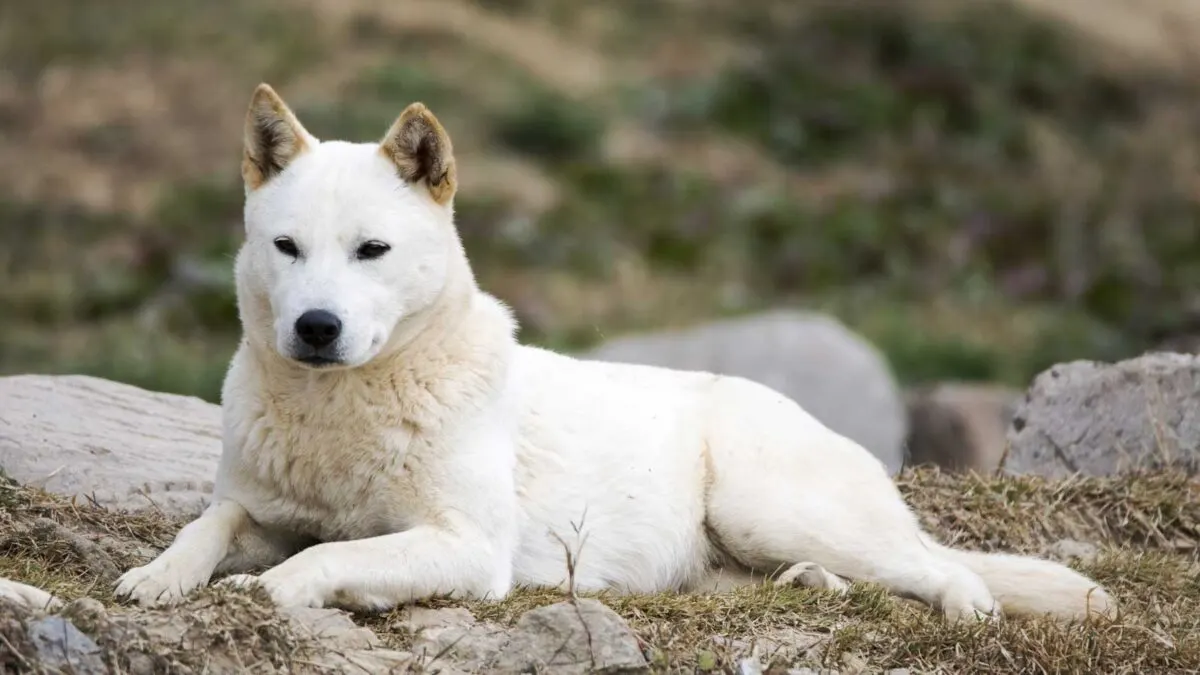
Korean Jindos are highly independent and reserved, often forming strong bonds with a single person. Their strong hunting instincts make them difficult to socialize with other pets, and their aloof nature can be challenging to manage. They need firm, consistent training and early socialization to become well-adjusted companions.
Dachshund


Dachshunds are stubborn and independent, often leading to housebreaking issues and a tendency to bark excessively. Their strong prey drive can make them difficult to manage around other animals. This breed’s love for digging can also lead to unwanted garden redesigns. Patience and consistency are essential for training these determined little diggers.
Yorkshire Terrier


Yorkies are small but mighty, often exhibiting bossy and demanding behavior. They can be difficult to housebreak and are known for their excessive barking. Consistent training is essential to curb their big-dog attitude. Despite their size, they need firm boundaries to prevent them from becoming little tyrants.
Canaan Dog


Canaan Dogs are known for their strong-willed and independent nature. They can be wary of strangers and other animals, often exhibiting territorial behavior. Their high intelligence requires consistent and creative training methods to keep them engaged and well-behaved.
Jack Russell Terrier


Jack Russells are high-energy and intelligent, often resulting in destructive behavior if they don’t get enough mental and physical stimulation. Their bold nature can also make them a handful during training. They’re notorious for chasing anything that moves, so keeping them entertained and exercised is a full-time job.
Tibetan Mastiff


Tibetan Mastiffs are strong-willed and independent, often leading to issues with obedience and socialization. Their protective nature can make them aggressive towards strangers and other animals. They require an experienced owner who can provide firm, consistent training and socialization from an early age.
Weimaraner


Weimaraners are intelligent and energetic, but their high separation anxiety can lead to destructive behavior when left alone. They need constant mental and physical stimulation to stay happy. Their clingy nature means they prefer to be with their people at all times, making them prone to anxiety when left alone.
Bulldog


Bulldogs are known for their stubbornness and can be quite lazy. This combination can lead to housebreaking challenges and resistance to obedience training. They often need extra patience and consistency from their owners. Their love for lounging can make exercise a chore, but it’s essential for their health and behavior.
Basenji


The Basenji, also known as the “barkless dog,” has a cat-like independence that can make training difficult. They are known to be escape artists and can be aloof with strangers. Their high prey drive and intelligence require creative training methods to keep them engaged and well-behaved.
Pekingese


Pekingese have a royal attitude to match their regal appearance. They can be stubborn and difficult to train, often preferring to do things their way. Their independent streak and occasional aggression towards other pets can make them a handful. These little emperors require patient and consistent training.
Beagle


Beagles have a strong nose and a stronger will. Their determination to follow scents can lead them into trouble, and their howling can be a constant source of noise complaints. They require lots of patience and persistence in training, as well as plenty of activities to keep their minds and noses busy.
Dalmatian

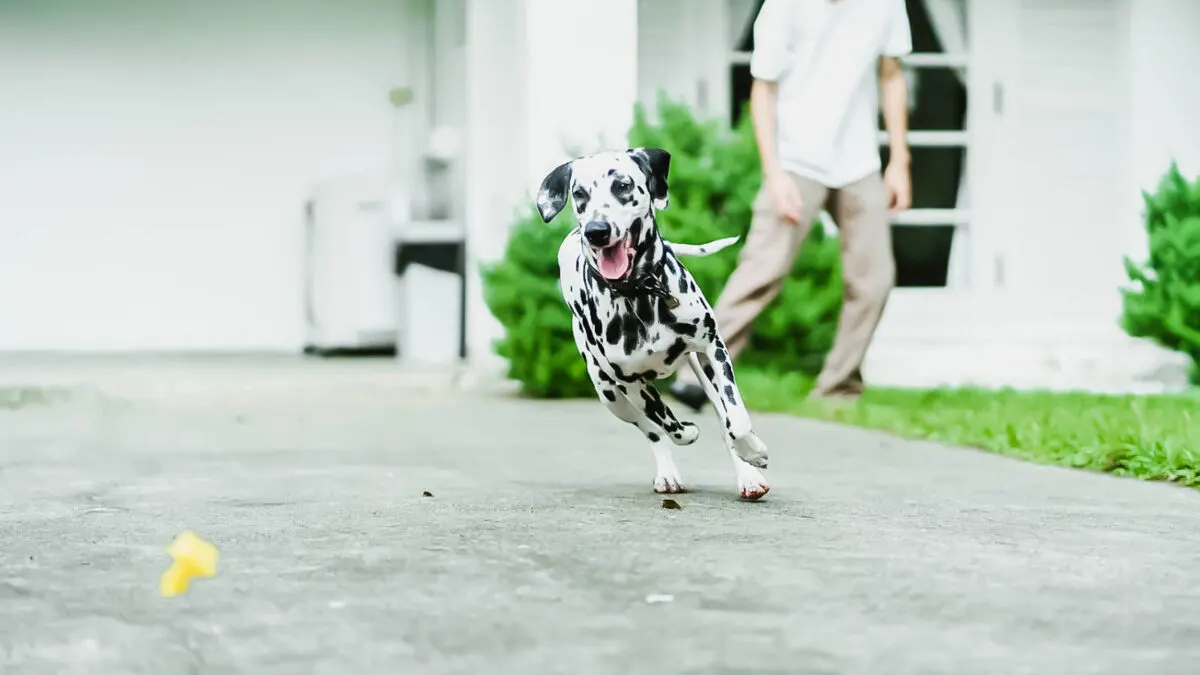
Dalmatians are known for their high energy and sometimes stubborn nature. They can be prone to destructive behavior if not adequately exercised and mentally stimulated. Training requires patience and a firm hand. Their strong-willed personality can make them a challenge for novice owners.
Cocker Spaniel


Cocker Spaniels can be prone to anxiety and fear-based aggression, making them challenging to socialize. Their sensitive nature requires gentle, consistent training and lots of positive reinforcement. Without proper socialization, they can become overly timid or reactive.
How To Clicker Train A Dog Using Positive Reinforcement


Clicker training is a popular and effective method for teaching young and old dogs new behaviors and commands using positive reinforcement. By using a clicker — a small handheld device that makes a distinct clicking sound — you can communicate with your dog and reward desired behaviors precisely.
Read it Here: How To Clicker Train A Dog With Positive Reinforcement
15 Dogs That Practically Train Themselves


Training a dog can be a challenge, but some breeds make it a whole lot easier. These dogs are smart and eager to please, making them quick learners. Whether you’re a first-time dog owner or just want a pup that’s easy to work with, these breeds will make you feel like a training pro. They range from playful companions to diligent workers, but each is an absolute dream to train and a well-trained pup makes life so much easier.
Read it Here: 15 Dogs That Practically Train Themselves
*Select images provided by Depositphotos.