


Dogs have their own quirky ways of communicating, and it’s easy for humans to get their signals mixed up. Sometimes, we might think they’re just being cute or naughty, but there’s often a deeper meaning behind their actions. From tail wagging to licking, these behaviors can be misinterpreted if we don’t know what to look for.


Tail Wagging


Many owners think a wagging tail always means a happy dog. However, tail wagging can indicate a range of emotions, including excitement, agitation, or even aggression. The position and speed of the wag are key indicators of the dog’s actual mood. For example, a slow, stiff wag might mean the dog is on high alert or feeling aggressive.
Yawning


Owners often assume a dog yawning is simply tired. In reality, yawning can also be a sign of stress, anxiety, or even a way for the dog to calm itself in a tense situation. If your dog is yawning a lot in new or stressful environments, they might be feeling anxious and trying to relax themselves.
Licking


While licking can be a sign of affection, it can also indicate submission, anxiety, or a means for the dog to explore their environment. Excessive licking might also point to underlying health issues like allergies or gastrointestinal problems. So, if your dog is licking you constantly, they might be stressed or trying to soothe themselves.
Chewing


Dogs chew for various reasons, including boredom, teething, or anxiety. Owners might misinterpret chewing as bad behavior, but it’s often a dog’s way of relieving stress or dealing with teething pain. Providing appropriate chew toys can help satisfy this natural urge and prevent damage to household items.
Panting


Panting is not just a sign that a dog is hot. Dogs also pant when they are stressed, anxious, or in pain. If your dog is panting heavily without having exercised or being in a hot environment, it might be worth checking in with your vet to rule out any health issues.
Digging


While digging can be frustrating for owners, it’s a natural behavior for dogs. They might dig to create a cool spot to lie down, to bury food or toys, or out of boredom. Understanding the reason behind the digging can help you manage and redirect the behavior more effectively.
Circling Before Lying Down


This behavior is often misinterpreted as just a quirky habit. In fact, it’s a deeply ingrained instinct from their wild ancestors who would circle to flatten grass or leaves to create a comfortable and safe sleeping spot.
Growling
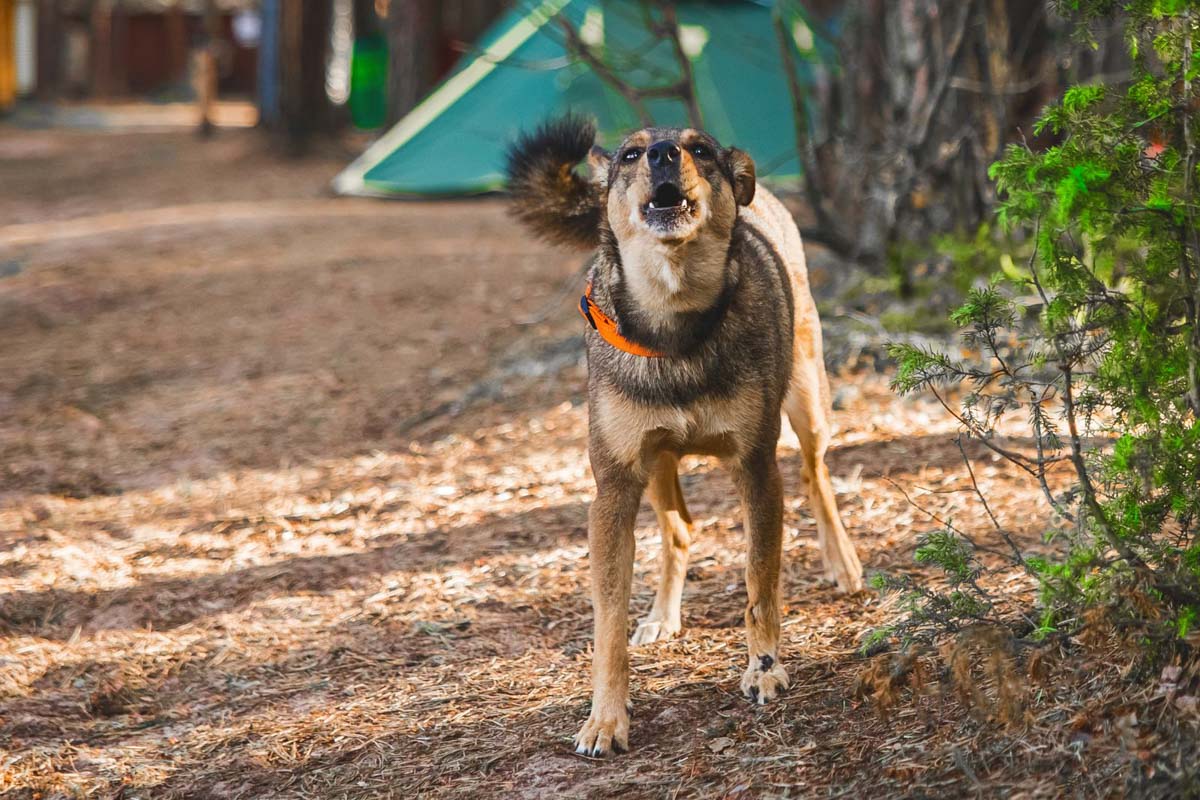

Growling is often seen as a sign of aggression, but it can also be a dog’s way of communicating discomfort, fear, or even pain. It’s important to pay attention to the context and other body language signals to understand why your dog is growling and address the underlying issue.
Jumping Up


Dogs often jump up on people to greet them, which can be misinterpreted as disobedience or dominance. In reality, it’s usually a sign of excitement and a way for them to seek attention and get closer to our faces, where they can gather more information about us.
Head Tilting


While adorable, head tilting is often a dog’s way of trying to understand something better, especially sounds. They tilt their heads to adjust their ears and get a better idea of where a sound is coming from or what it means. It’s their way of trying to make sense of their environment.
Rolling in Smelly Stuff


This behavior can be baffling and frustrating for owners. Dogs roll in smelly things to mask their own scent, which is an instinctual behavior inherited from their wild ancestors who needed to disguise their presence from predators or prey.
Staring


A dog’s stare can be unsettling and is often misinterpreted as a challenge. However, dogs often stare to communicate, seek attention, or wait for cues from their owners. They might be trying to tell you they need something, like a walk or food, or they’re simply waiting for your next move.
10 Popular Dog Myths That Just Aren’t True


When it comes to man’s best friend, there’s no shortage of old wives’ tales and passed-down wisdom. But have you ever stopped to wonder which of these nuggets are true? We’re tackling some of the most popular dog myths and clearing up the misconceptions.
Read it Here: 10 Popular Dog Myths That Just Aren’t True
15 Dogs That Practically Train Themselves


Training a dog can be a challenge, but some breeds make it a whole lot easier. These dogs are smart and eager to please, making them quick learners. Whether you’re a first-time dog owner or just want a pup that’s easy to work with, these breeds will make you feel like a training pro. They range from playful companions to diligent workers, but each is an absolute dream to train and a well-trained pup makes life so much easier.
Read it Here: 15 Dogs That Practically Train Themselves
*Select images provided by Depositphotos.