


Leaving your dog at home alone can be stressful for both of you, but for some breeds, it’s more than just a minor inconvenience. These dogs can experience severe anxiety, destructive behaviors, and emotional distress when left without companionship for extended periods. If you’re away from home for long periods of time, it’s crucial to choose a breed that can handle solitude. Here are some that are probably best to avoid.


Vizsla


Vizslas, often called “Velcro dogs,” crave constant companionship. Their affectionate nature and high energy levels mean they need lots of interaction and exercise. Left alone, they can become anxious, leading to destructive chewing and excessive barking. Regular playtime and mental stimulation are essential for their well-being.
Border Collie


Border Collies are among the smartest and most active dog breeds. They need plenty of mental and physical challenges to stay happy. Without enough stimulation, they can become bored and anxious, resulting in destructive behaviors like chewing, digging, and incessant barking.
Italian Greyhound


Italian Greyhounds are delicate and sensitive dogs that bond closely with their owners. They are prone to separation anxiety and can become very distressed when left alone. Signs of their anxiety include whining, barking, and sometimes urinating indoors. They thrive in homes where someone is around most of the time.
Australian Shepherd

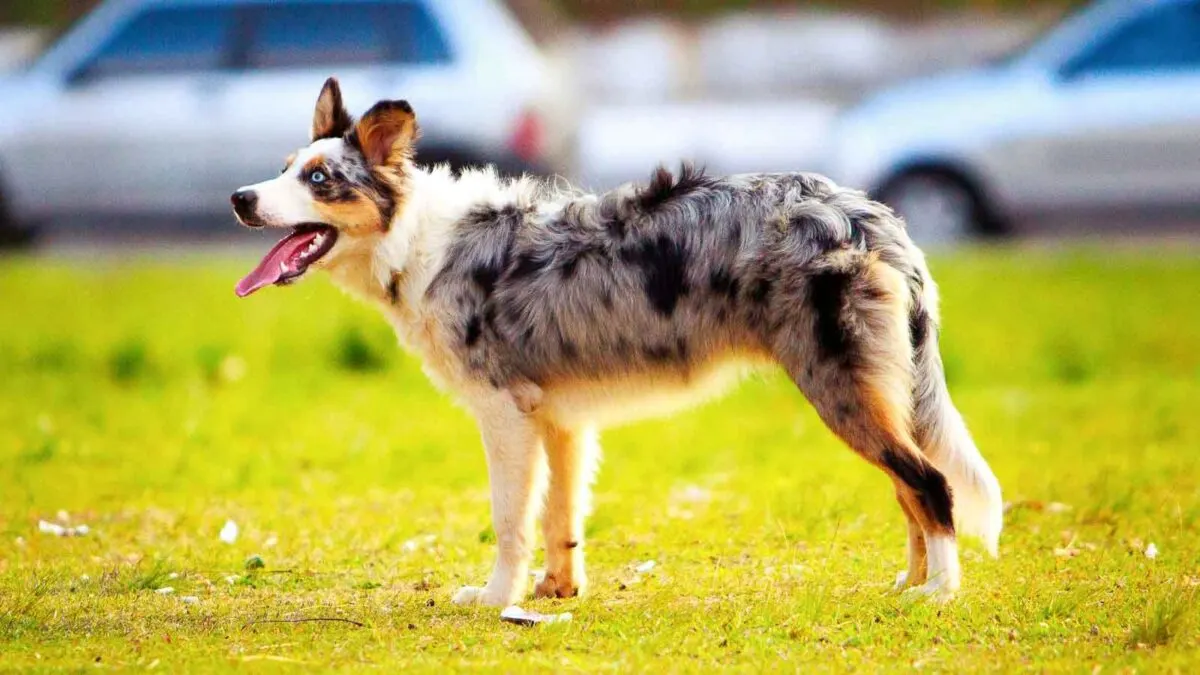
Australian Shepherds are high-energy working dogs that thrive on activity and engagement. They require substantial exercise and mental stimulation. Without these, they can become bored and anxious, often leading to destructive behaviors such as chewing furniture and digging holes.
Cavalier King Charles Spaniel


Cavaliers are known for their affectionate and gentle nature. They form strong bonds with their owners and can suffer from severe separation anxiety when left alone. This anxiety can manifest in destructive chewing, barking, and sometimes even depression.
Hungarian Puli


The Puli is an active and intelligent breed known for its unique corded coat. They need a lot of mental and physical exercise to stay happy. When left alone for long periods, they can become anxious and exhibit destructive behaviors, including excessive barking and chewing.
Miniature Schnauzer


Miniature Schnauzers are energetic, sociable dogs that love being around their families. They are prone to separation anxiety, which can result in excessive barking, digging, and chewing when left alone for too long. Regular interaction and mental stimulation help keep them content.
Lagotto Romagnolo


Known for their truffle-hunting abilities, Lagottos are intelligent and affectionate dogs. They require regular mental and physical stimulation to avoid boredom. When left alone for long periods, they can become anxious and engage in destructive behaviors like chewing and digging.
Cocker Spaniel


Cocker Spaniels are friendly and affectionate dogs that thrive on human companionship. They can develop separation anxiety if left alone for too long, leading to destructive behaviors such as chewing, barking, and digging. They need regular exercise and mental stimulation to stay happy.
Bichon Frise


Bichons are cheerful, playful dogs that love being around people. They can suffer from separation anxiety when left alone too long, leading to behaviors like chewing, barking, and house soiling. They do best in homes where someone is around most of the time to provide companionship and stimulation.
Havanese


Havanese are incredibly social dogs that form close bonds with their owners. They do not handle being left alone for extended periods well and can develop separation anxiety, which may result in destructive behaviors like chewing and excessive barking. They thrive on interaction and playtime.
Japanese Chin


Japanese Chins are affectionate and sensitive dogs that crave human companionship. They can become anxious and distressed when left alone, often resorting to excessive barking, chewing, and other destructive habits. They do best in homes where they can be with their people most of the time.
10 Tips For Managing Your Dog’s Separation Anxiety


If your dog gets anxious when you leave, you’re not alone. Many pet owners face the challenge of managing their dog’s separation anxiety. It can be tough seeing your best friend distressed, but there are effective ways to help them cope. Let’s walk through some practical tips to ease your dog’s anxiety and make your departures less stressful for both of you.
Read it Here: 10 Tips For Managing Your Dog’s Separation Anxiety
13 Independent Dogs That Love Their Space More Than Cuddles


Not every dog loves constant attention and cuddles. Some breeds are surprisingly independent and enjoy their alone time. While not every dog in these breeds will be this way, these 13 breeds are known for their self-reliant nature. If you’re looking for a dog that values its own space, check out these surprisingly independent breeds.
Read it Here: 13 Independent Dogs That Love Their Space More Than Cuddles
*Select images provided by Depositphotos.