


Most people do things every day that annoy their dogs without meaning to. It usually comes from habit, though, not neglect. They might tolerate it, but that doesn’t mean they like it. Certain behaviors that seem harmless can actually stress them out or make them uncomfortable. Paying attention to how your dog reacts can help you catch what’s bothering them. These are some of the things that quietly drive them up the wall.

Hugging


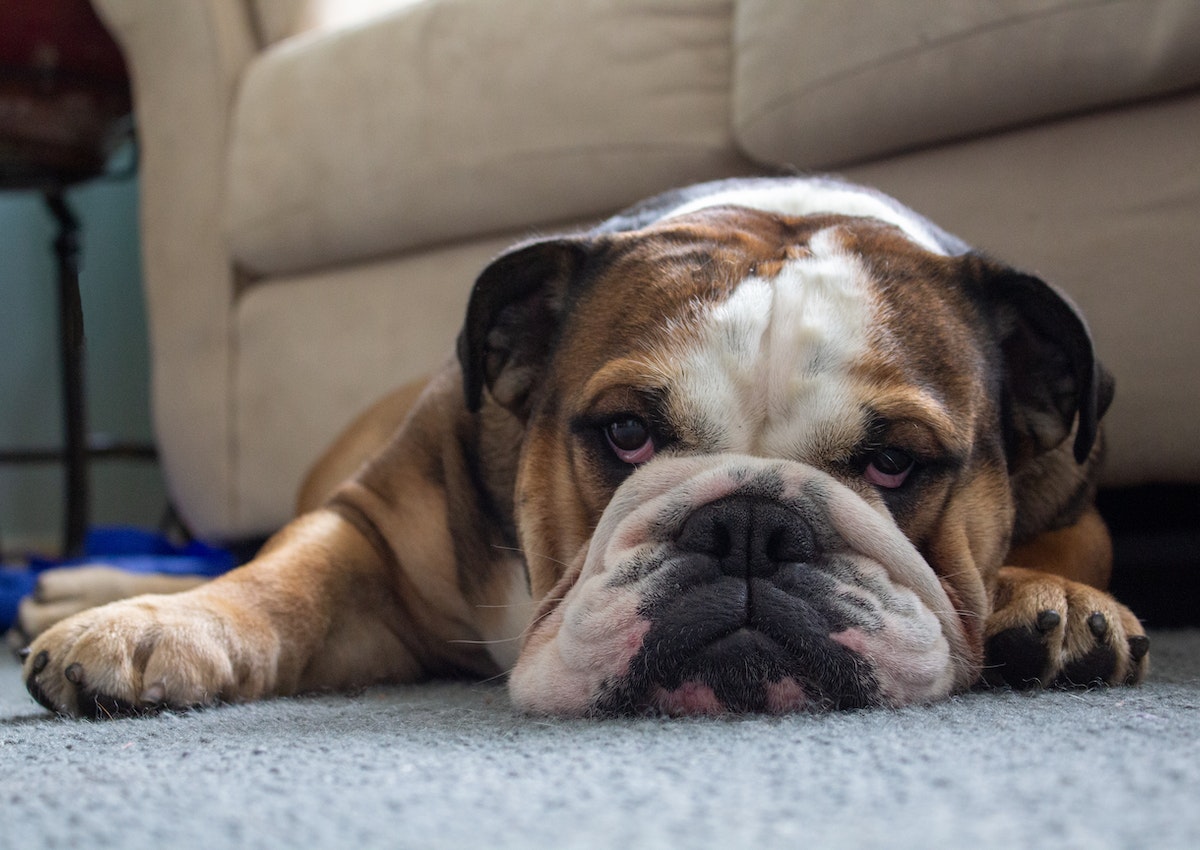
It feels natural to hug someone you love, but most dogs don’t enjoy being squeezed. What feels affectionate to you can feel restrictive and tense to them. Dogs communicate closeness differently, and many would rather lean on you or curl up nearby than be held tightly.
Strong Scents


That room spray or perfume might smell great to you, but it can be overpowering to your dog. Their sense of smell is far more sensitive, and strong artificial scents can irritate them or even cause discomfort. Stick with unscented or pet-safe products when they’re nearby.
Playing Dress Up


Unless it’s cold or they truly need protection, most dogs don’t want to wear clothes. Costumes, jackets, and boots can make them feel restricted, uncomfortable, or confused. If they seem uneasy or keep trying to take it off, skip the outfit and let them stay comfortable.
Forced Social Interactions


Not every dog wants to be pet by strangers or meet every dog at the park. Forcing those interactions can cause stress, fear, or reactivity. Give your dog the choice to engage or step back, and let them set the pace with new people or animals.
Rushing Their Walks


Walks aren’t just about exercise. They’re your dog’s chance to explore and learn through scent. When you rush or pull them along, they miss out on that mental stimulation. Give them time to sniff and process the world on their own terms.
Raising Your Voice


Yelling doesn’t help dogs understand what they did wrong, it just makes them anxious or scared. Loud voices can make communication harder, not clearer. Use a calm, consistent tone if you want them to actually listen and respond.
Ignoring When They Want Space
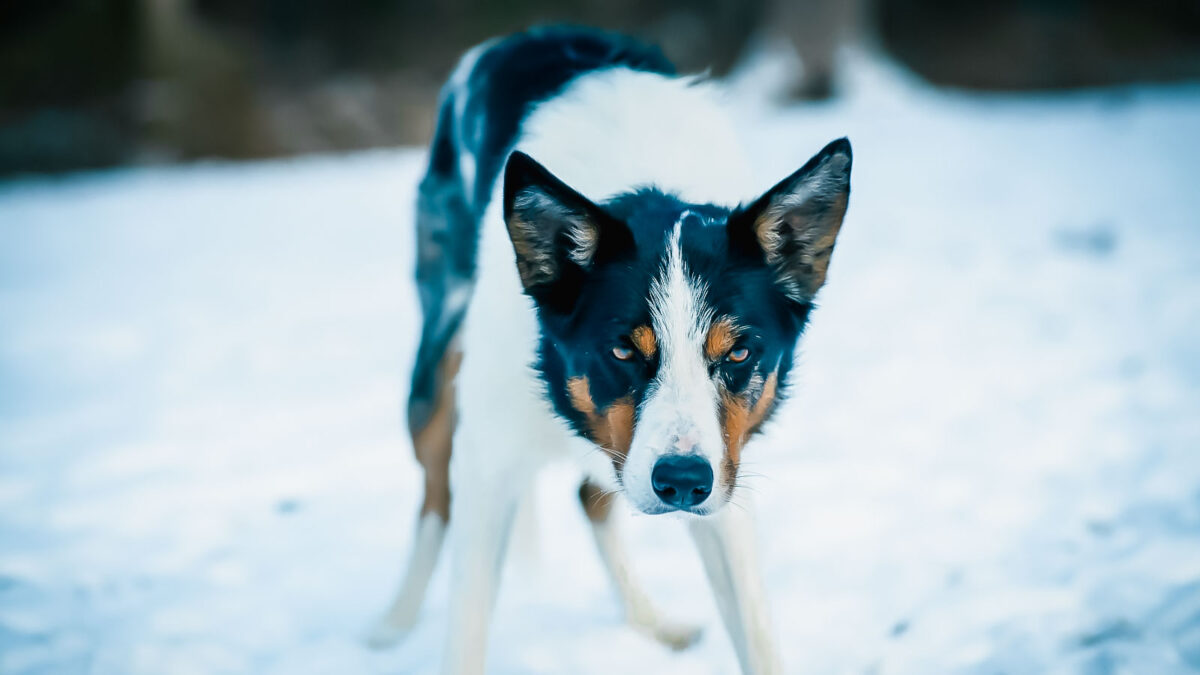

Dogs use body language to ask for distance. Turning their head, walking away, or stiffening up are all ways they try to communicate discomfort. When those signals get ignored, it can build stress and erode trust. Pay attention and give them room when they ask for it.
Inconsistent Rules


Letting them on the couch one day and scolding them for it the next doesn’t help anyone. Mixed signals confuse your dog and make training harder. Pick a rule, stick to it, and make sure everyone in the house does the same.
Leaving Them Alone for Too Long


Dogs aren’t built for long stretches of isolation. When left alone too often without interaction or stimulation, they can become anxious, restless, or destructive. If you can’t be there, make sure they have toys, enrichment, or someone to check in on them.
9 Dog Grooming Habits That Are Actually Bad For Your Pet


We all want our dogs to look and feel their best, but not every grooming habit is as harmless as it seems. Some of the things we do with the best intentions can actually be more harmful than helpful. Before you grab the brush or the shampoo, it’s worth taking a closer look at some common grooming practices that could be doing more harm than good.
Read it Here: 9 Dog Grooming Habits That Are Actually Bad For Your Pet
15 Little Habits That Mean The World To Your Dog


Your dog doesn’t need grand gestures or expensive toys to be happy—they just need you to get a few things right. The little stuff you do every day matters way more than you think, and some of it might not even be on your radar. Sure, you feed them, walk them, and scratch their ears, but are you actually paying attention to what makes them feel safe, loved, and understood? Dogs aren’t complicated, but they do have their own way of seeing the world, and a lot of humans miss the signals. A few small habits can make all the difference in how much they trust you, how secure they feel, and, ultimately, how strong your bond is.
Read it Here: 15 Little Habits That Mean The World To Your Dog
*Select images provided by Depositphotos.