


Your dog doesn’t need grand gestures or expensive toys to be happy—they just need you to get a few things right. The little stuff you do every day matters way more than you think, and some of it might not even be on your radar. Sure, you feed them, walk them, and scratch their ears, but are you actually paying attention to what makes them feel safe, loved, and understood? Dogs aren’t complicated, but they do have their own way of seeing the world, and a lot of humans miss the signals. A few small habits can make all the difference in how much they trust you, how secure they feel, and, ultimately, how strong your bond is.


Letting Them Sniff on Walks


Dogs experience the world primarily through their noses, and sniffing provides mental enrichment. Rushing them through a walk without letting them explore can be stressful. Allowing them to sniff strengthens their confidence and provides valuable sensory engagement.
Speaking in a Calm, Reassuring Voice


Your dog picks up on your tone more than your words. A calm voice reassures them that everything is okay, while a harsh or unpredictable tone can create anxiety. Speaking gently helps build trust and security.
Making Eye Contact (The Right Way)


Direct eye contact can be intimidating for dogs, but soft, relaxed eye contact paired with slow blinking can reinforce your bond. It signals affection and trust, much like how dogs communicate with their own kind.
Respecting Their Personal Space


Dogs, like humans, appreciate having control over their personal space. Not every dog enjoys constant hugging or being petted when they’re resting. Letting them approach you on their own terms shows respect and builds a stronger relationship.
Keeping a Consistent Routine


Dogs thrive on predictability. A regular feeding, walking, and play schedule helps them feel secure and reduces stress. Sudden changes in routine can create anxiety, so consistency is key to their well-being.
Petting Them in Their Favorite Spots


Every dog has a preferred way of being petted—some love belly rubs, while others prefer a good ear scratch. Learning and respecting their favorite spots shows that you’re attentive to their needs and comfort.
Using Positive Reinforcement Instead of Punishment


Dogs respond best to rewards-based training. Yelling or punishment can make them fearful and confused, while positive reinforcement strengthens good behavior and makes learning enjoyable. Praise, treats, and encouragement foster a happier, more confident dog.
Giving Them Mental Stimulation


Boredom can lead to destructive behaviors. Mental stimulation—through puzzle toys, training sessions, and scent games—keeps your dog’s brain active and engaged, preventing anxiety and frustration.
Letting Them Sleep Near You


Dogs are social creatures, and being close to their humans at night provides comfort. Even if they don’t sleep in your bed, allowing them in the same room reassures them that they are safe and part of the pack.
Checking in With Them Throughout the Day


Even if you’re busy, small check-ins—like a gentle pat or a few kind words—remind your dog that they are loved. Ignoring them for long periods can make them feel lonely and disconnected.
Taking the Time to Understand Their Body Language


Dogs communicate primarily through body language. Recognizing when they’re stressed, happy, or uncomfortable helps you respond appropriately. Understanding their signals strengthens your relationship and prevents misunderstandings.
Making Sure They Always Feel Safe


A dog that feels safe is a dog that thrives. Whether it’s providing a quiet space, ensuring they’re not exposed to harsh discipline, or being a reliable presence, making them feel secure is one of the most important things you can do as an owner.
Letting Them Win During Playtime


Dogs love playtime, but always losing can be frustrating or discouraging for them. Allowing them to occasionally “win” a tug-of-war game or a chase builds their confidence and makes playtime more engaging and fun. It also strengthens their trust in you by reinforcing a positive and rewarding interaction.
Matching Their Energy Instead of Forcing Yours

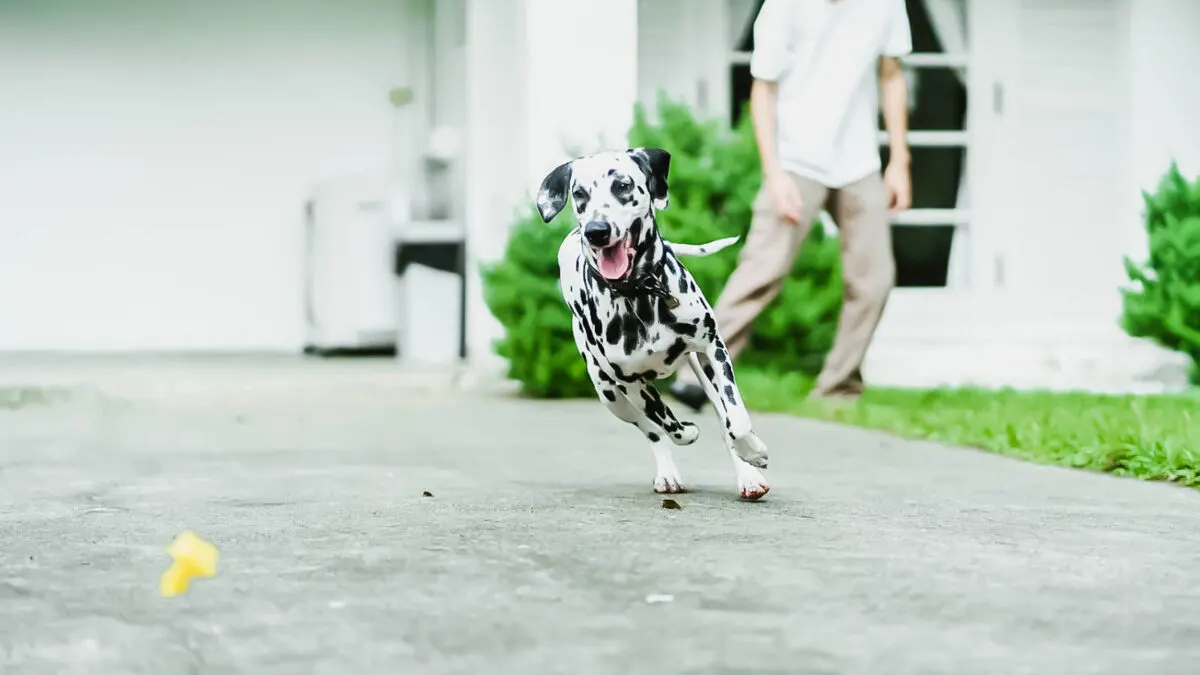
Some dogs are high-energy and thrive on adventure, while others are more laid-back and prefer a slow stroll. Instead of trying to force them into your preferred pace, adjusting your energy to theirs shows respect for their natural temperament and creates a more enjoyable, harmonious relationship.
Allowing Them to Choose the Walking Route Sometimes


Most dogs spend their lives being told where to go and what to do. Giving them the freedom to pick the route (even if just for a block) provides mental stimulation, autonomy, and a sense of control in their daily routine, which can boost confidence and reduce stress.
10 Simple Tricks to Make Your Dog Trust You More

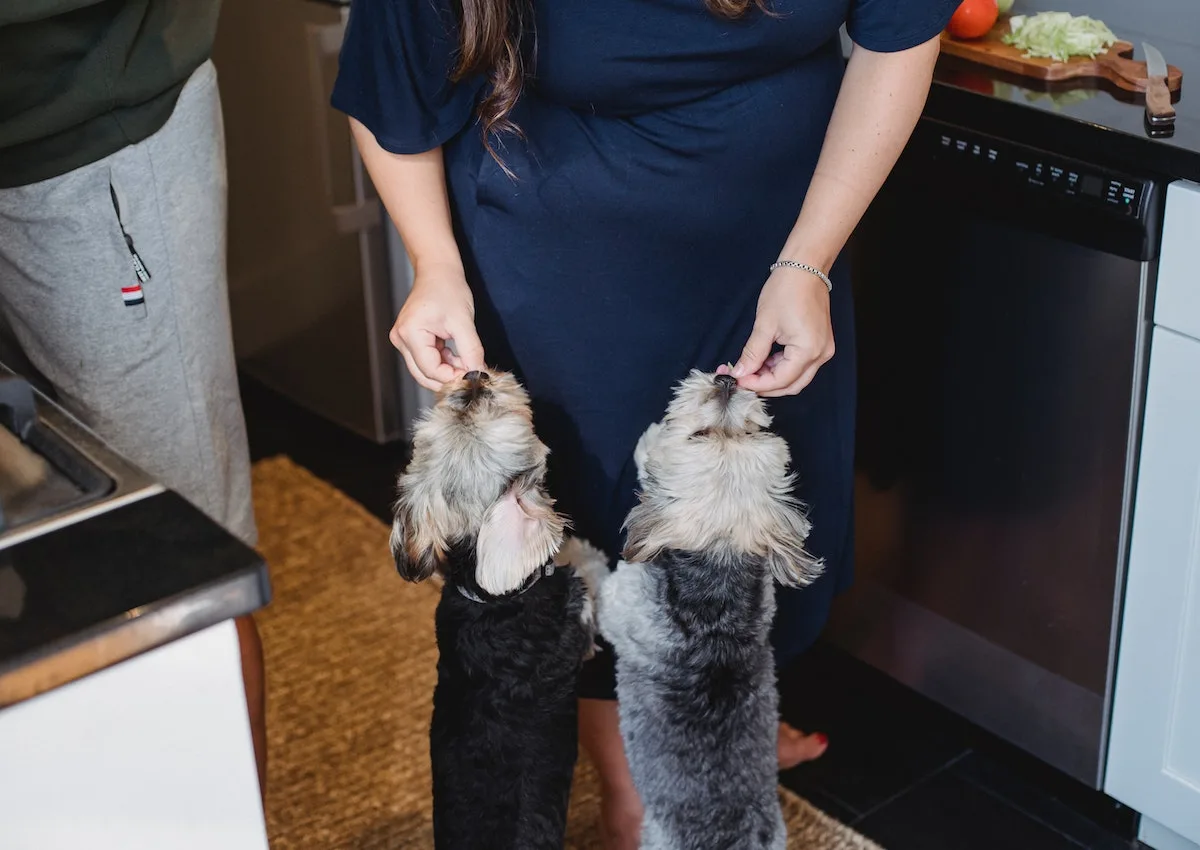
Trust isn’t automatic with dogs—it’s earned. You can’t just show up with a bag of treats and expect them to worship you. Some dogs are naturally cautious, others have been burned before, and even the friendliest pups need consistency to feel safe. If your dog hesitates around you, ignores commands, or keeps their distance, you might need to work on building that bond. Here are some ways how.
Read it Here: 10 Simple Tricks to Make Your Dog Trust You More
10 Little Things That Make Your Dog Feel Safe and Happy


Dogs pay close attention to the way you move, speak, and react to their needs. The small things you do every day shape how secure they feel around you. Some actions build trust, while others can create uncertainty. If they seem anxious or overly clingy, it’s not random—there’s always a reason. The way you interact with them determines whether they feel safe, relaxed, and truly at home. Here’s what actually matters.
Read it Here: 10 Little Things That Make Your Dog Feel Safe and Happy