


Most people don’t realize how much their own habits affect how their dog learns. It’s easy to repeat the same patterns without noticing what’s going wrong. Training gets frustrating fast when things stop clicking and nothing seems to stick. Dogs are smart, but they need consistency and clear direction to make sense of what you are asking. Sometimes the problem isn’t the dog. It is the way things are being taught.


Skipping a Consistent Routine


Training works best when it becomes part of your dog’s daily life. If commands and expectations change depending on your mood or schedule, your dog has no way to keep up. A predictable approach gives them something solid to follow and makes your job easier over time.
Using Negative Reinforcement

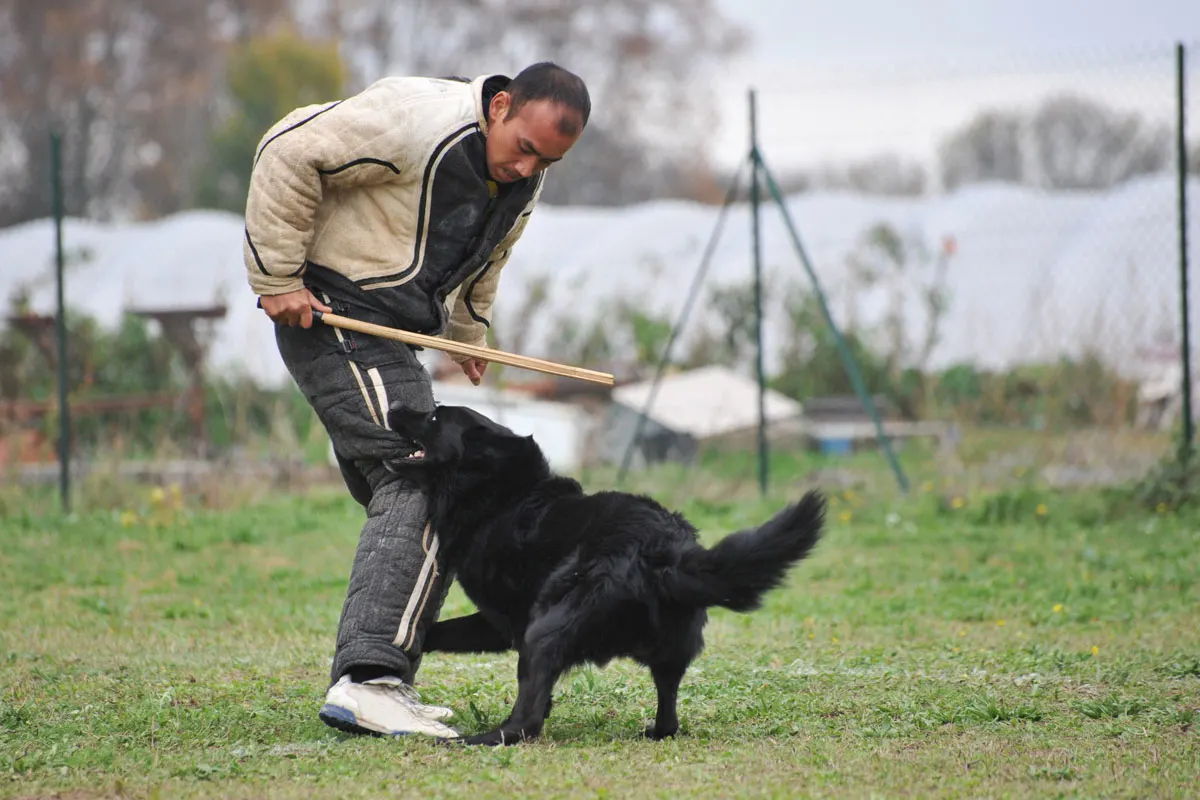
Yelling, scolding, or reacting out of frustration does not help your dog learn. It often creates confusion or fear without actually changing the behavior. Dogs respond better when you calmly show them what you want, then reward them for doing it right. That approach builds trust and makes learning easier.
Expecting Too Much Too Fast


Some owners expect a dog to pick up a command after one or two tries. In reality, learning takes time, repetition, and clear feedback. Dogs need the space to figure things out at their own pace. Rushing the process usually leads to setbacks and frustration for everyone involved.
Dragging Sessions Out Too Long
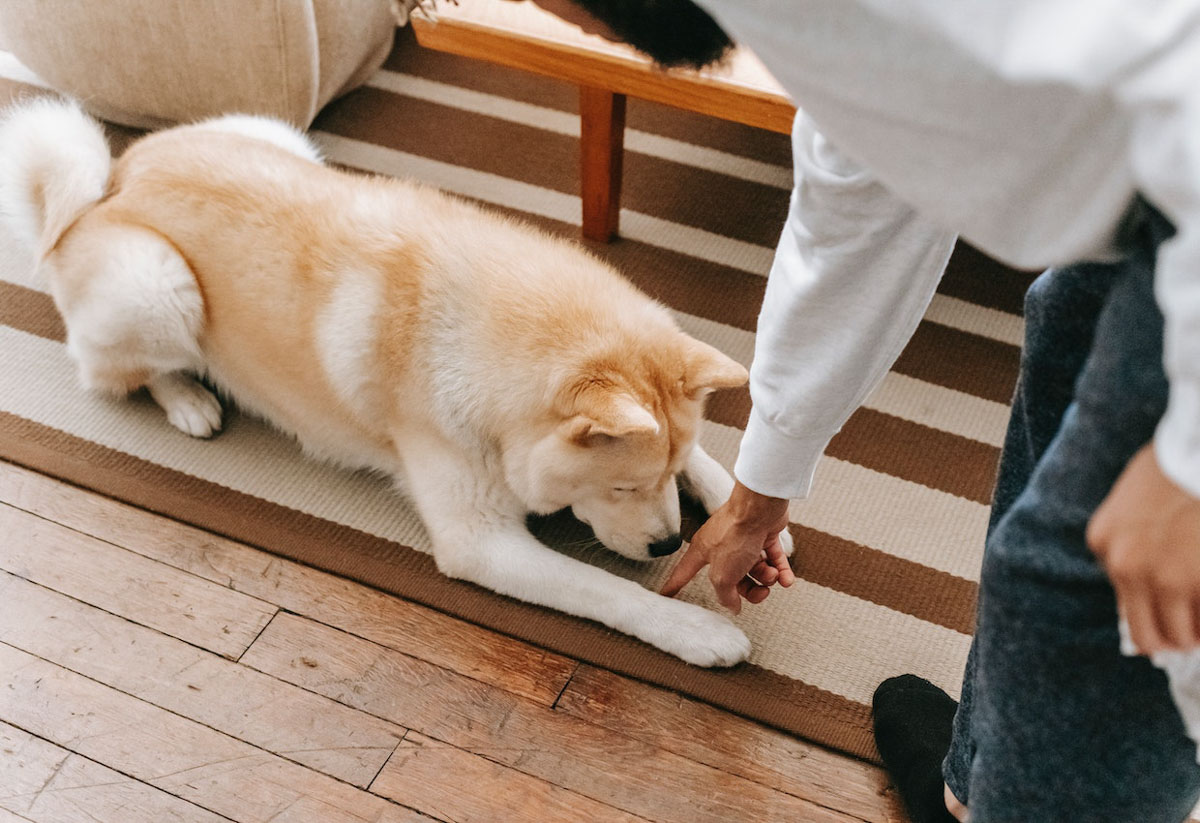

Training sessions that go on too long can wear your dog out and reduce their focus. Most dogs learn better with shorter bursts of attention and regular breaks. Ten to fifteen minutes is often enough. If you end each session before your dog checks out, they’re more likely to come back focused next time.
Missing Out on Social Time


Dogs who stay in the same environment all the time can become reactive or nervous when something unfamiliar shows up. Socialization helps your dog build confidence around new people, animals, and situations. Start early and go slow, but don’t skip it. A well-socialized dog is easier to train in every setting.
Changing the Way You Ask


If you say “down” one day and “lie down” the next, your dog will have no idea you mean the same thing. Dogs learn specific cues, and switching up words or gestures creates confusion. Pick one word and one hand signal per behavior, then stick with it every single time.
Letting Problem Behaviors Slide


Waiting until a bad habit becomes a full-blown issue makes it harder to fix. Dogs learn through repetition. If they get away with a behavior a few times without correction, they assume it is allowed. Address issues early and redirect to better behavior before it becomes part of their routine.
Skipping The Basics
Foundational training like sit, stay, come, and leash walking makes everything else easier. If your dog doesn’t understand the basics, they’ll struggle with more complex commands. Take time to build a strong base before jumping ahead. A dog that understands the fundamentals is more confident and easier to guide.
Forgetting Mental Challenges


Physical exercise is important, but dogs also need mental stimulation. Without it, they can become bored, frustrated, or destructive. Teaching new tricks, using food puzzles, or practicing short training games throughout the day can help keep your dog sharp and well-behaved.
Misusing Treats


Giving treats at the wrong time or using them too often can actually slow training down. Dogs may get confused about what behavior earned the reward or start performing tricks randomly just to get one. Use treats intentionally, reward only what you want repeated, and slowly phase them out once the behavior becomes reliable.
10 Popular Dog Myths That Just Aren’t True
When it comes to man’s best friend, there’s no shortage of old wives’ tales and passed-down wisdom. But have you ever stopped to wonder which of these nuggets are true? We’re tackling some of the most popular dog myths and clearing up the misconceptions.
Read it Here: 10 Popular Dog Myths That Just Aren’t True
13 Dog Breeds That Are Stubborn As A Mule To Train


Training a dog can be a challenge, but some breeds are tougher than you might think. Even if they’re cute and lovable, these dogs can test your patience with their stubborn and independent streaks. If you’re considering one of these breeds, be prepared for a bit of a battle.
Read it Here: 13 Dog Breeds That Are Stubborn As A Mule To Train
*Select images provided by Depositphotos.