

A dog’s diet affects more than just their weight. Nutrition plays a role in energy levels, behavior, immune function, and even how dogs cope with stress. When something is missing or poorly balanced, the signs will creep their way into your dog’s life and can be easy to dismiss as normal aging or personality changes. Paying attention to small shifts in appearance or behavior can help owners catch nutrition issues early, before they turn into bigger health problems. These signs don’t always mean something is seriously wrong, but they often suggest that a dog’s food may not be supporting them as well as it should.


Dull or brittle coat


A healthy coat usually reflects a balanced intake of fats, vitamins, and protein. When a dog’s fur looks dry, rough, or breaks easily, it can point to missing fatty acids or micronutrients that support skin and hair health. Coat changes often happen slowly, which makes them easy to overlook until the texture feels noticeably different.
Excessive shedding beyond normal levels


Shedding is expected, but dramatic or constant shedding can be linked to nutritional gaps. Protein quality and certain vitamins help regulate hair growth cycles. When those needs aren’t met, hair may fall out faster than it can be replaced, leading to thinning or persistent shedding throughout the year.
Persistent itching or dry skin


Frequent scratching, flaking, or irritated skin can signal a lack of nutrients that support the skin barrier. Omega fatty acids and minerals like zinc play a role in keeping skin resilient. Without them, dogs may feel uncomfortable even when no allergies or parasites are present.
Low energy or reduced stamina


Dogs that seem unusually tired or uninterested in activity may not be getting enough usable energy from their food. This can happen when calories are too low, protein quality is poor, or nutrients aren’t easily absorbed. Over time, this lack of fuel can affect muscle tone and motivation.
Recurring digestive issues


Ongoing gas, loose stools, or frequent vomiting often point to food that doesn’t agree with a dog’s system. Poor digestibility, low fiber balance, or missing gut supporting nutrients can all contribute. Digestive stress can also interfere with nutrient absorption, creating a cycle that worsens over time.
Chronic bad breath not tied to dental care


While dental health matters, persistent bad breath can also be influenced by diet. Low quality proteins and poor digestion can contribute to odor from the mouth and gut. When nutrition improves, breath often follows even with the same dental routine.
Weight gain despite reasonable portions


When dogs gain weight without eating more, it often means the food is calorie dense but not nutrient dense. Excess fillers and carbohydrates can add calories without providing lasting satiety or metabolic support. This can make weight management harder even when portions seem appropriate.
Constant hunger or food fixation


Dogs that act hungry immediately after eating may not be getting the nutrients they need to feel satisfied. Protein and fiber help regulate fullness, while nutrient poor diets can leave dogs seeking more food to compensate. This behavior often improves when meals are more balanced.
Weak or brittle nails
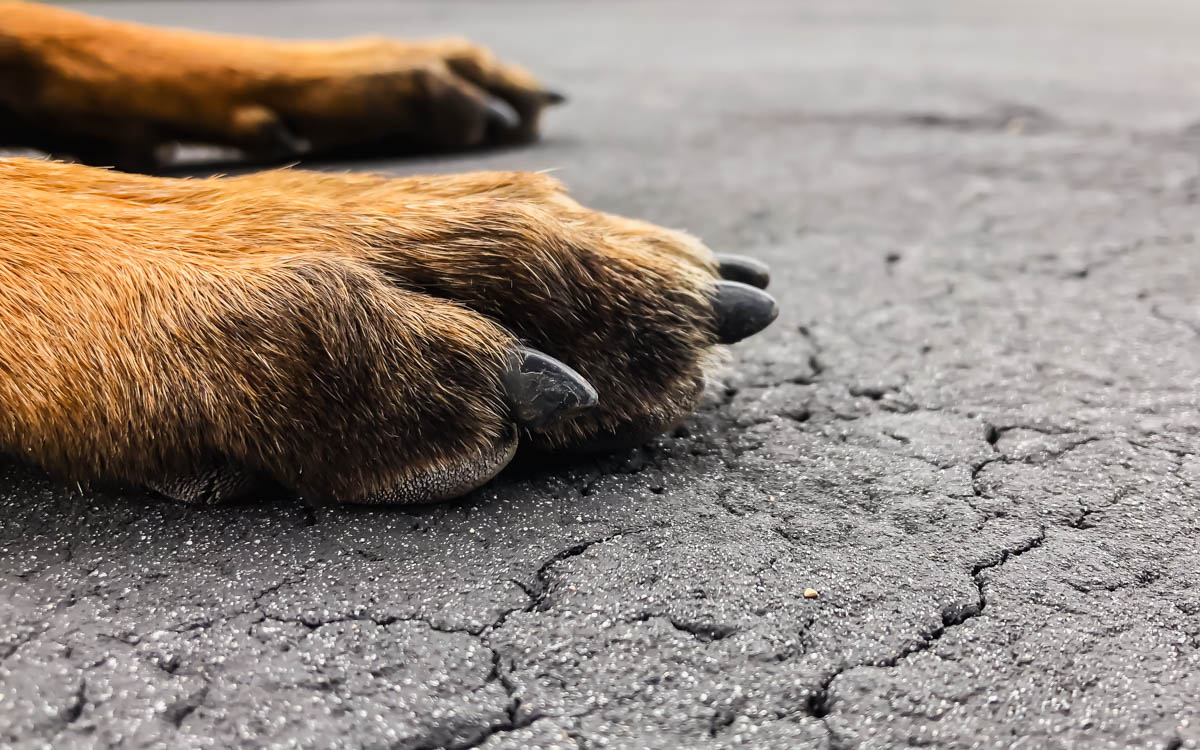

Nail strength reflects internal nutrition just as much as coat condition does. Cracking, splitting, or slow nail growth can point to deficiencies in minerals or amino acids. These changes tend to develop gradually and are often noticed during routine grooming.
Frequent illness or slow recovery


A diet that doesn’t support immune function can leave dogs more vulnerable to infections. Vitamins and antioxidants help the body respond to stress and illness. When these are lacking, dogs may seem to get sick more often or take longer to bounce back.
Sudden pickiness or refusal to eat


When a dog loses interest in food they once ate willingly, it can signal that the food no longer meets their needs or feels satisfying. This doesn’t always mean a behavioral issue. Sometimes dogs instinctively avoid foods that don’t make them feel well.
Unexplained behavior changes


Irritability, restlessness, or withdrawal can sometimes be tied to nutrition. The brain relies on amino acids, fats, and micronutrients to function properly. When those are lacking, changes in mood or behavior may appear without an obvious trigger.
9 Foods That Can Improve Your Dog’s Coat And Make It Shinier


If your dog’s coat has lost its shine, you might be surprised that their diet could be the key to bringing it back. What they eat plays a big part in the health and appearance of their fur. With just a few small changes to their meals, you can help boost their coat’s luster and softness. These foods are easy to add and can make a world of difference in how your dog looks and feels.
Read it Here: 9 Foods That Can Improve Your Dog’s Coat And Make It Shinier
13 Dog Diet Tips That Could Add Years To Your Pet’s Life


Owning a dog comes with the challenge of making sure they eat right, which can be as tricky as managing a toddler’s diet. From balancing protein to keeping them hydrated, every choice impacts their health. This article breaks down essential diet tips that could not only simplify feeding time but also help your dog live a longer, healthier life. Let’s get right into how you can nourish your furry friend the best way possible.
Read it Here: 13 Dog Diet Tips That Could Add Years To Your Pet’s Life
*Select images provided by Depositphotos.