

Excess energy in dogs doesn’t mean something is wrong. It usually means a dog’s needs aren’t lining up with their daily routine. Many owners try to solve this problem by adding longer walks or more play, only to find their dog still restless at home. That’s because a dog’s energy isn’t just physical. They also need mental engagement, structure, and clear outlets for their instincts. When all of those pieces come together, even very active dogs will settle down more easily.


Build structured play into the day


Unplanned bursts of play can leave dogs overstimulated rather than satisfied. Scheduled play sessions give dogs a clear window to release energy and a clear signal for when play ends. Games like fetch or tug work best when they start and finish intentionally. Structure teaches dogs that excitement has a place and a boundary.
Use mental stimulation as a daily tool


Mental work tires dogs in a different way than physical exercise. Puzzle feeders, treat dispensing toys, and problem solving games require focus and patience. These activities slow dogs down while still engaging their energy. A dog who has worked through a mental challenge is often calmer afterward than one who has only run around.
Go beyond basic walks for exercise


For dogs with high energy needs, standard neighborhood walks often aren’t enough. Adding variety through hiking, jogging, or terrain changes increases both physical effort and mental engagement. New environments provide smells, sights, and challenges that work the brain while the body moves. This combination helps energy drain more effectively.
Teach impulse control during everyday moments


Impulse control exercises help dogs learn how to manage excitement instead of acting on it immediately. Asking for a pause before meals, doorways, or play reinforces focus and self regulation. These small moments add up throughout the day and help energetic dogs shift more smoothly between activity and rest.
Make training sessions part of energy management


Training doesn’t have to be long or intense to be effective. Short sessions that introduce new skills or reinforce existing ones give dogs a productive outlet for energy. Learning requires concentration, which naturally reduces restlessness. Consistent training also builds communication, making it easier to redirect excess energy when it surfaces.
Encourage play with other dogs when appropriate


Some dogs benefit greatly from interaction with other dogs who match their energy level. Play with peers allows for natural movement, social cues, and physical exertion that humans can’t always replicate. When done safely, these interactions help dogs burn energy in a way that feels instinctive and satisfying.
Use scent based activities to slow the mind
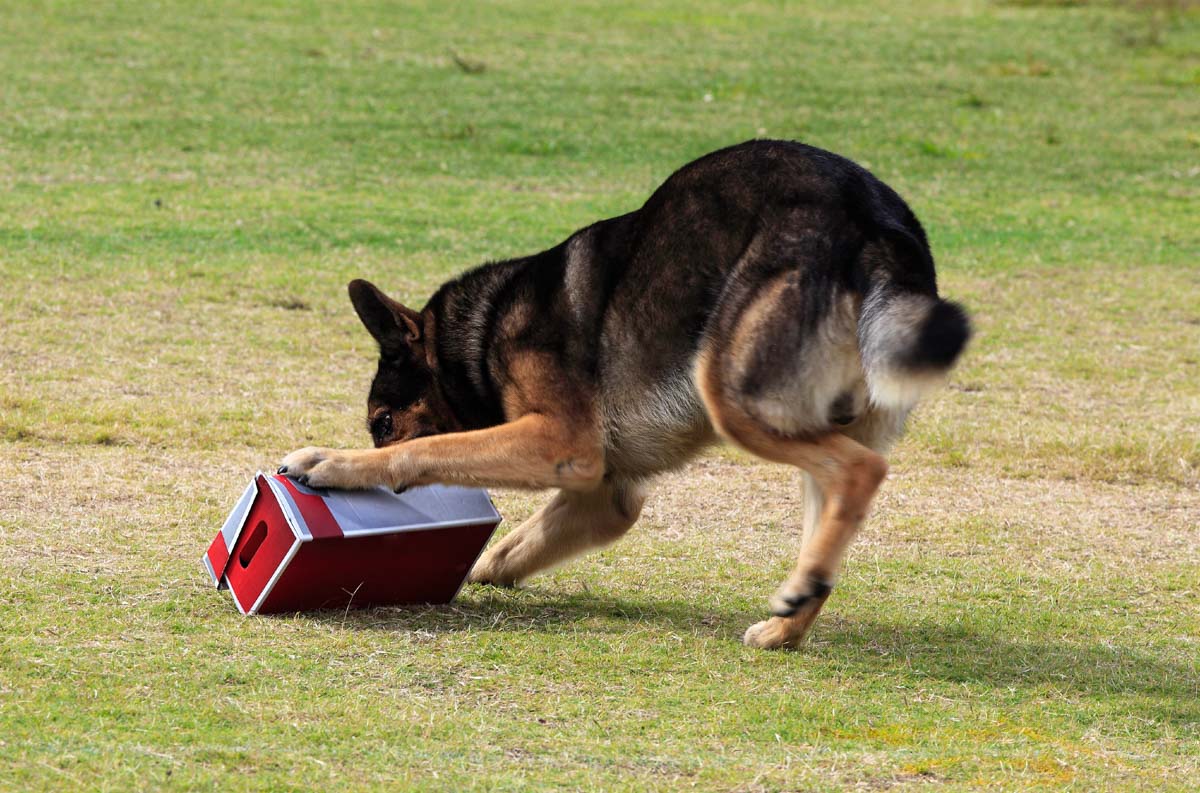

Nose work taps into a dog’s strongest sense and encourages calm focus. Games that involve searching for treats or tracking scents require sustained attention. Even short scent sessions can noticeably reduce restlessness. These activities are especially useful for dogs who struggle to settle indoors.
Create simple physical challenges at home


Obstacle style activities don’t require special equipment. Chairs, cushions, or cones can be arranged to encourage climbing, weaving, or balance. These challenges engage both body awareness and problem solving. Dogs often find these tasks more tiring than repetitive running.
Maintain a predictable daily routine


Consistency helps energetic dogs regulate themselves. Knowing when activity, meals, and rest will happen reduces anxiety driven movement. A steady routine teaches dogs when to expect stimulation and when it’s time to relax. Over time, this predictability helps excess energy level out.
Explore structured dog sports or activities


Some dogs thrive when given a dedicated outlet for their drive. Sports like agility, flyball, or dock diving provide clear goals and structured challenges. These activities offer both physical and mental release and often improve behavior outside the sport as well.
11 Dogs That Are Famous For Having The Most Ridiculous Energy Levels


If you think your dog has energy, wait until you meet these breeds. These pups don’t just run—they never stop. From morning zoomies to endless games of fetch, they’re always on the move, and keeping up with them is no small feat. If you’re looking for a dog that can outlast your daily jog or make you question your own fitness level, this list is for you. These dogs bring a whole new meaning to “high energy.”
Read it Here: 11 Dogs That Are Famous For Having The Most Ridiculous Energy Levels
12 Dog Breeds That Are Surprisingly Low Energy


Not all dogs are bouncing bundles of energy. Some breeds prefer a more laid-back lifestyle, making them perfect companions for those who enjoy a slower pace. If you’re looking for a dog that loves to lounge or just want a furry friend who won’t demand too much exercise, these low-energy breeds might be just what you need.
Read it Here: 12 Dog Breeds That Are Surprisingly Low Energy
*Select images provided by Depositphotos.