


Owning a dog comes with the challenge of making sure they eat right, which can be as tricky as managing a toddler’s diet. From balancing protein to keeping them hydrated, every choice impacts their health. This article breaks down essential diet tips that both simplify feeding time and help your dog live a longer, healthier life. Here’s how to nourish your furry friend the best way possible.
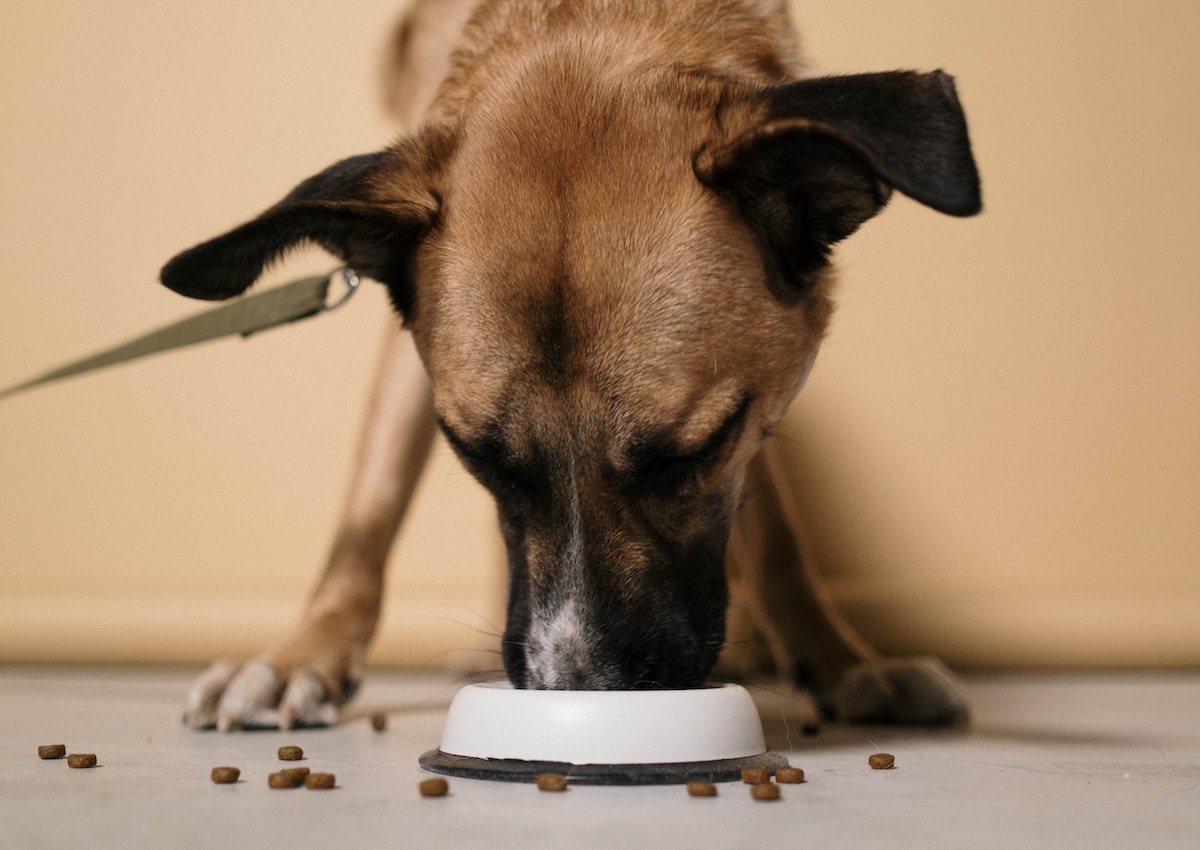

Balance Protein Intake


Protein is the backbone of a healthy dog diet, but it is not a free-for-all. Too much can strain the kidneys while too little can leave muscles weak and energy levels low. The sweet spot depends on your dog’s breed, age, weight, and how active they are. Skip the guesswork and check in with your vet to lock in the right balance for long-term health.
Incorporate Fresh Vegetables

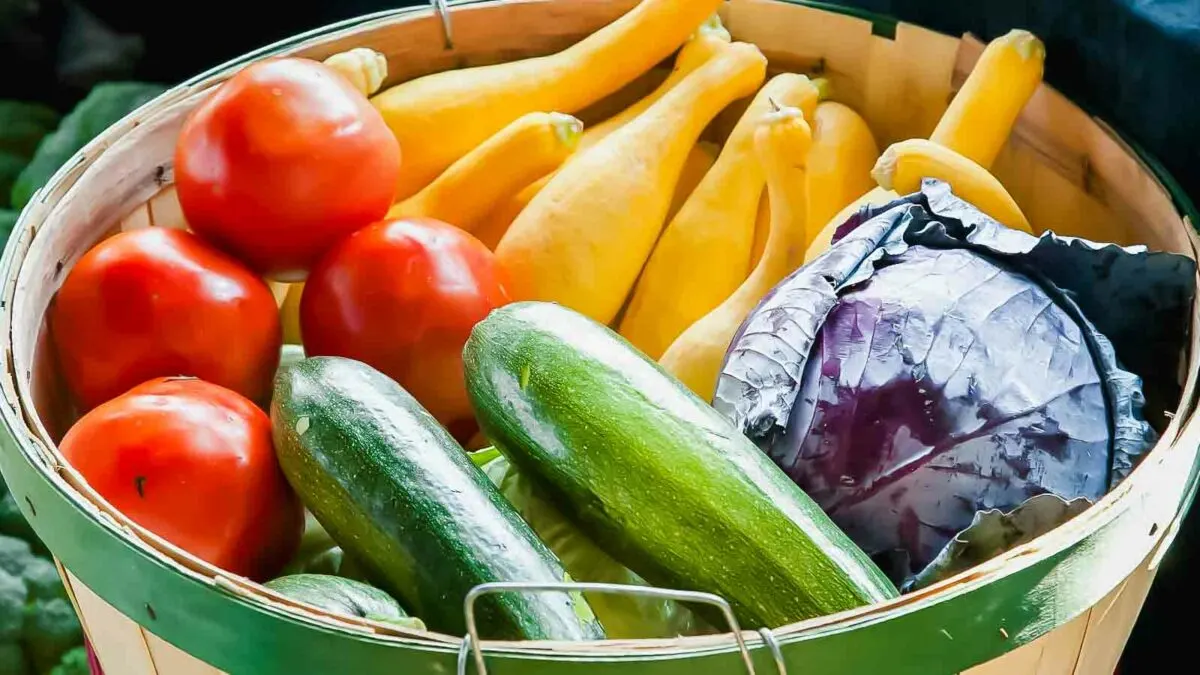
Vegetables aren’t just filler in your dog’s food. They pack a punch of fiber, vitamins, and antioxidants that can support digestion and keep your dog’s gut in better shape. Fresh choices like carrots, green beans, and pumpkin can be added to meals or served as low-calorie snacks. They’re simple upgrades that can make a noticeable difference over time.
Limit Treats

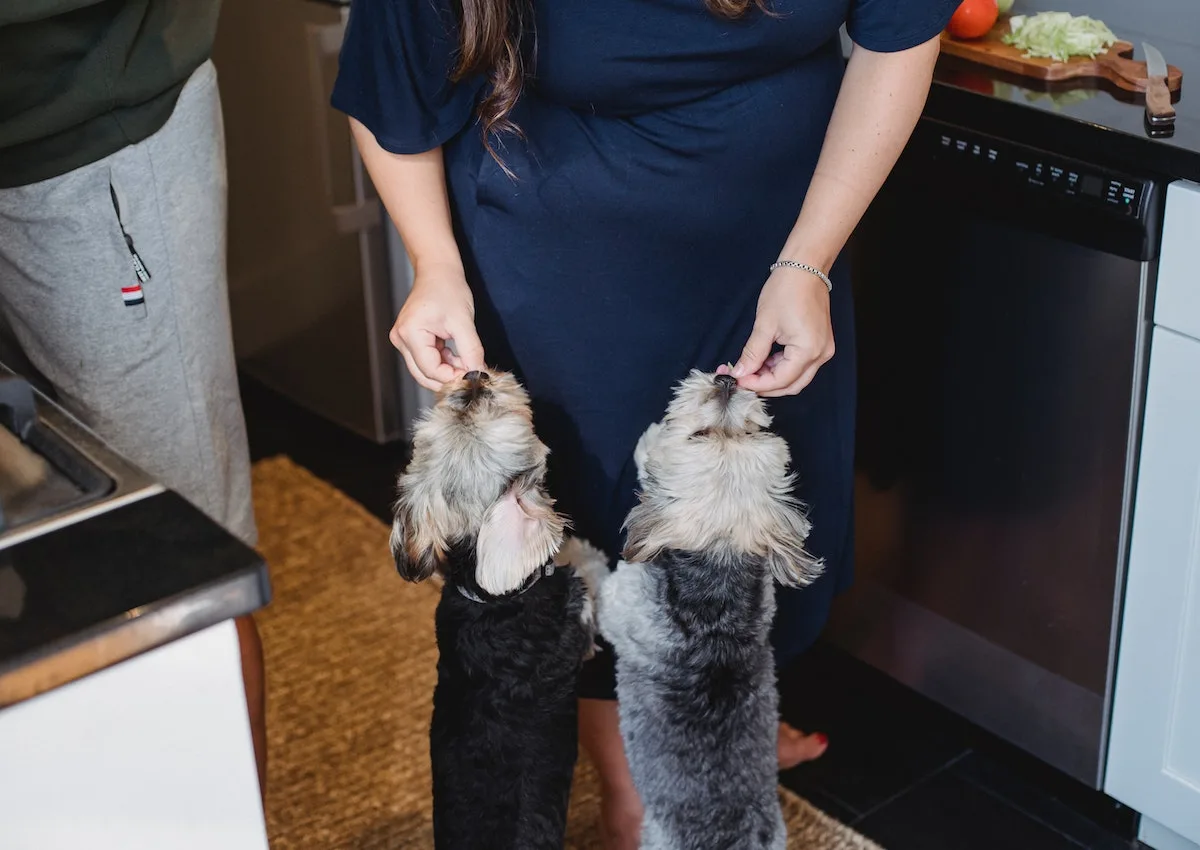
It’s easy to go overboard with treats, especially when those puppy eyes are working overtime. But too many snacks pile on extra calories faster than you think. Keeping treats to less than 10 percent of your dog’s daily intake helps maintain a healthier weight and lowers the risk of serious issues like diabetes and joint problems later on.
Regular Meal Times


A set schedule is about more than just convenience. Feeding your dog at the same times every day keeps their metabolism stable, supports better digestion, and helps manage hunger cues. It also makes it easier to spot any sudden changes in appetite that could signal a health problem.
Stay Hydrated


Water isn’t optional. Staying hydrated helps your dog’s kidneys function properly, aids digestion, and keeps their joints cushioned and flexible. If your dog eats mostly dry kibble, it is even more important to make sure their water bowl is always full and fresh. Dehydration sneaks up quickly and can turn into a serious issue fast.
Avoid Human Food


Sharing your plate might seem harmless, but a lot of human foods are bad news for dogs. Chocolate, grapes, onions, and a long list of other common foods can cause everything from stomach upset to organ failure. Keeping their diet dog-specific is the safest and smartest choice you can make.
Omega Fatty Acids
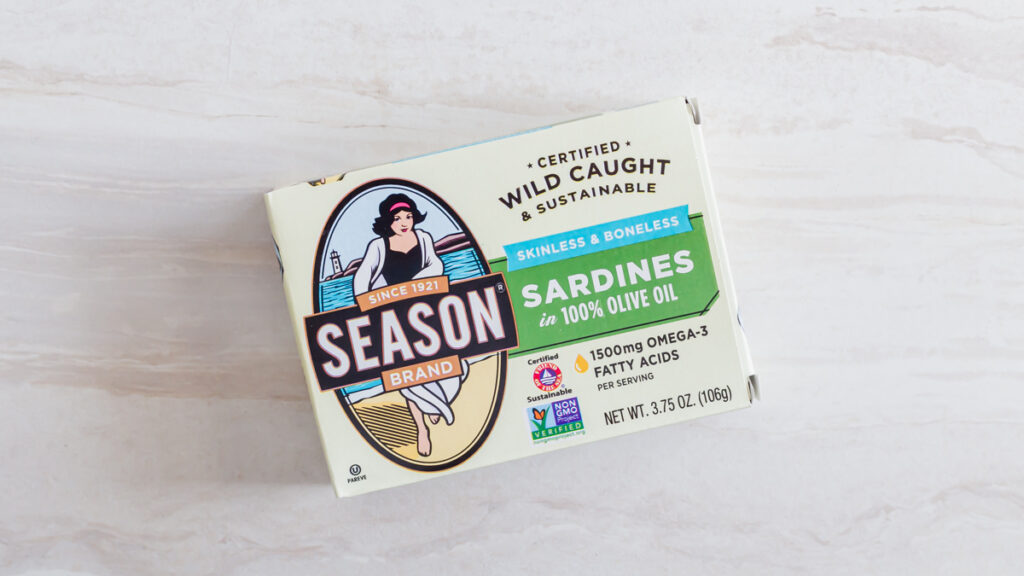
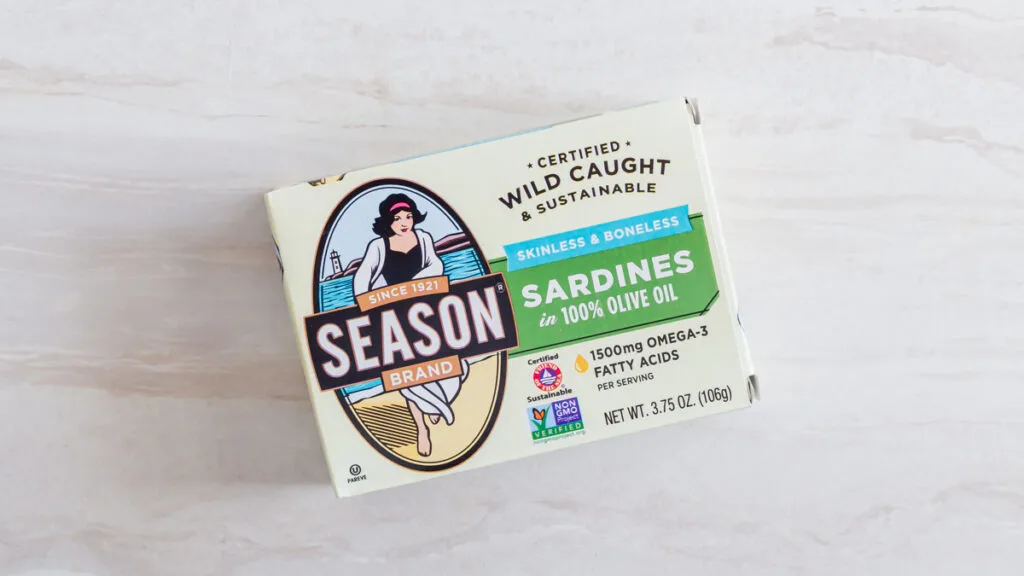
Omega-3 and omega-6 fatty acids are a powerhouse for dogs. Adding fish oil, flaxseed oil, or foods fortified with omegas can help reduce inflammation, improve coat shine, and even boost brain function. A little bit goes a long way in keeping your dog feeling and looking their best.
Measure Meals


“Eyeballing it” is one of the fastest ways to accidentally overfeed your dog. Using a proper measuring cup makes sure your dog is getting exactly what they need based on their size and activity level. Controlled portions mean better weight management and fewer trips to the vet for diet-related issues.
Consider Age-Specific Foods


A growing puppy, an energetic adult, and a slower-moving senior all need different nutrition to match their life stage. Puppy foods are loaded with extra calories and nutrients to fuel growth, while senior formulas often support joint health and metabolism. Switching up their food as they age helps meet their body’s changing needs.
Choose High-Quality Dog Food


Invest in high-quality dog food. Look for foods with whole ingredients, low fillers, and appropriate certifications. Better ingredients mean better health. You can even venture into making your own raw dog food for your pup.
Read Labels Carefully


Marketing buzzwords do not guarantee a healthy choice. Reading the actual ingredient list helps you spot red flags like meat by-products, artificial colors, and preservatives. A good rule of thumb is that if you cannot pronounce it, your dog probably does not need it. Simpler ingredient lists are almost always the better bet.
Introduce Changes Gradually


Dogs are creatures of habit, especially when it comes to food. A sudden swap to a new diet can cause digestive upset that nobody wants to deal with. Mixing a little bit of the new food into the old and slowly increasing it over about a week makes the transition much smoother for your dog’s stomach.
Consult Your Veterinarian Regularly
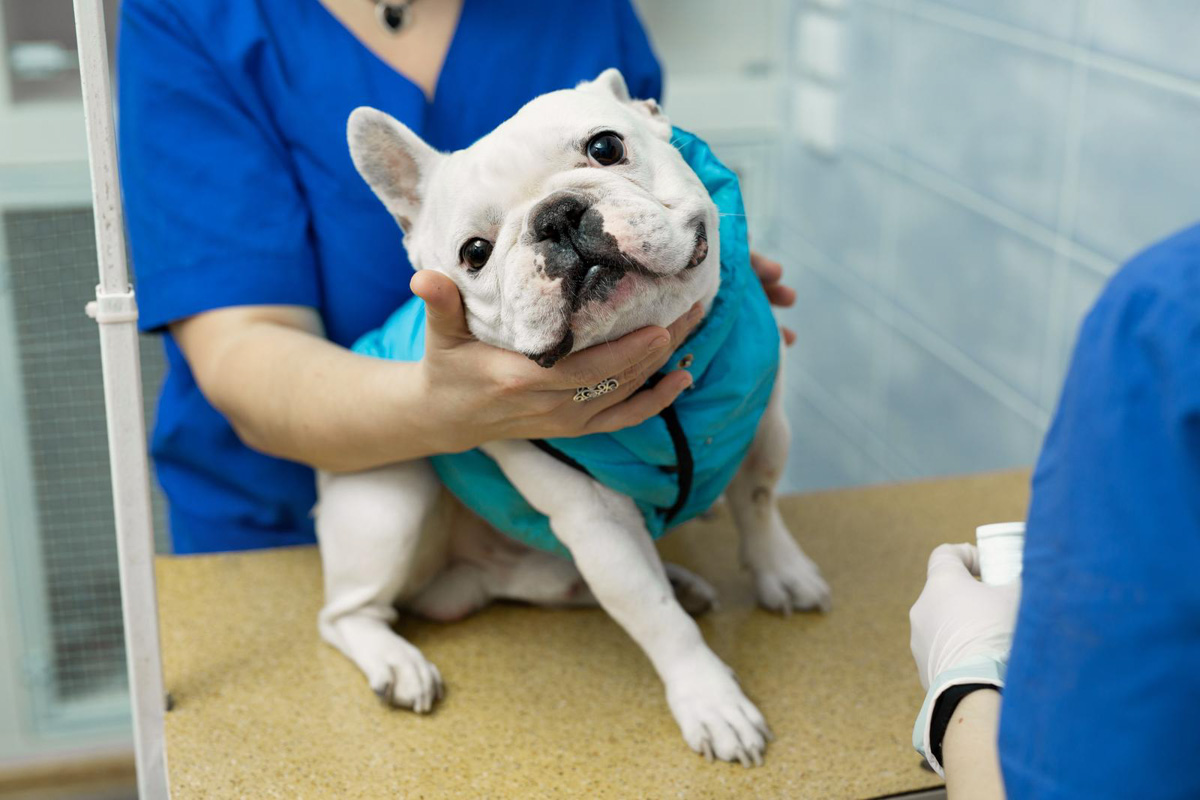
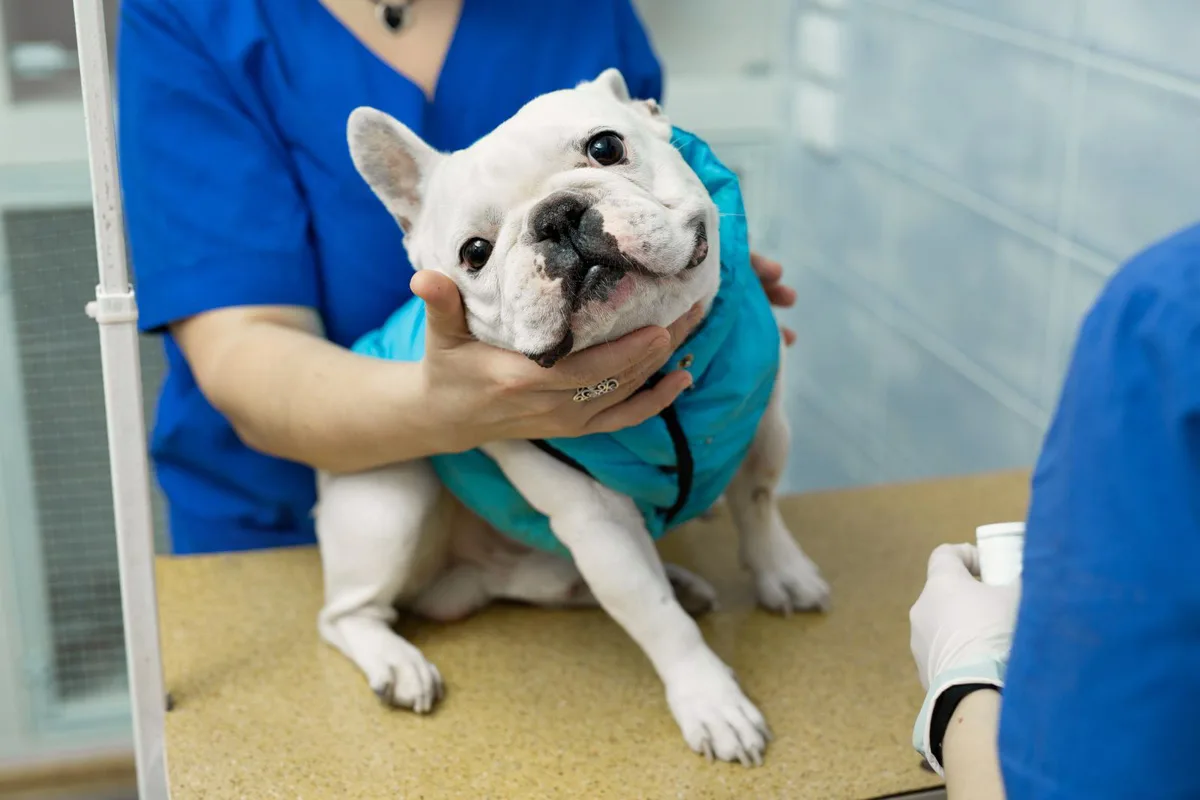
Your vet isn’t just there for emergencies. Regular checkups help catch small issues before they become major ones and let you fine-tune your dog’s diet to match their health needs. Weight changes, new allergies, or aging joints can all call for small dietary tweaks that keep your dog feeling great year after year.
Bone Broth for Dogs is a Canine Elixir


Have you ever wondered if your furry friend could benefit from the same wholesome elixir that has humans singing its praises? A nourishing cup of bone broth for dogs might be the secret to your dog’s optimal health.
Read it Here: Bone Broth for Dogs is a Canine Elixir
Can You Buy Dog Food with Food Stamps?
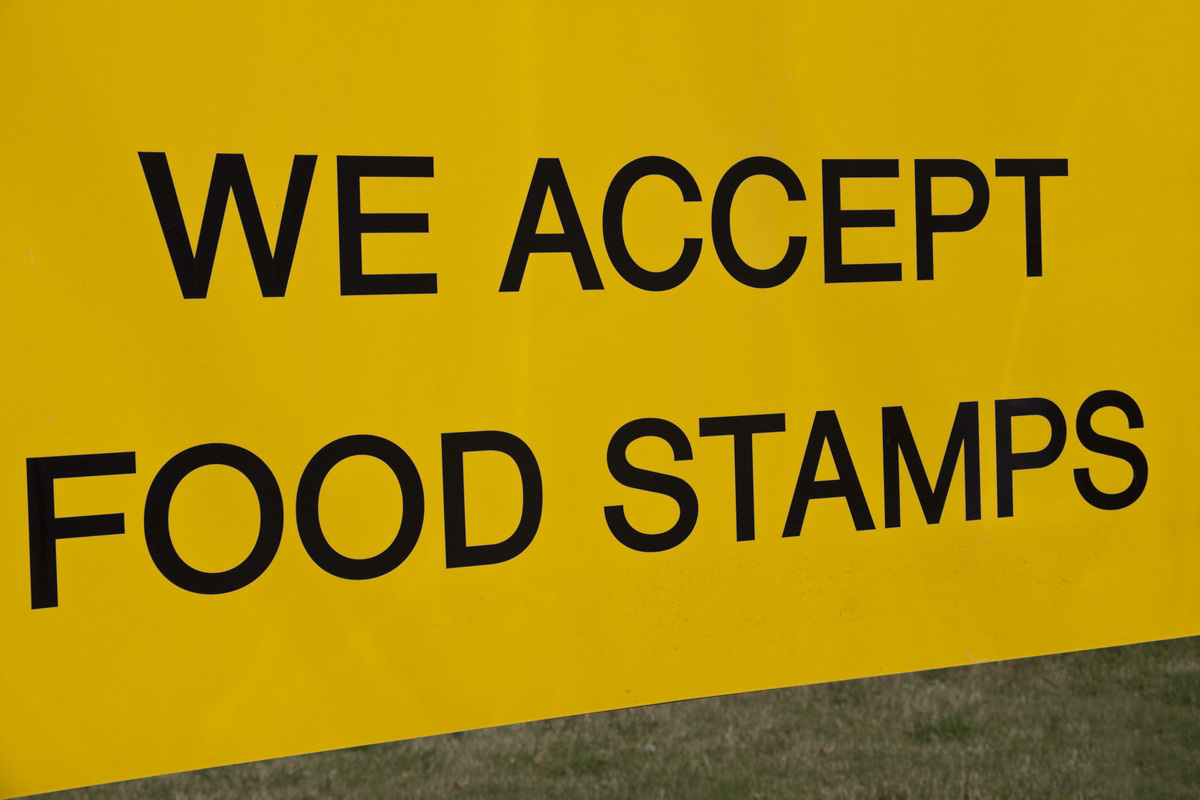

For countless individuals, a pet is not just an animal; it’s a cherished member of the family. The love and companionship our furry friends provide, especially in challenging times, are irreplaceable. Given this deep bond, it’s no surprise that many pet owners are determined to ensure their pets receive the best care possible, including a balanced and nutritious diet. This brings us to a frequently asked question: Can you buy dog food with food stamps?
Read it Here: Can You Buy Dog Food with Food Stamps?