


Some jobs call for instincts, precision, and focus that people simply don’t have. In those roles, dogs take the lead. With the right training, they handle complex tasks that require more than technology or human effort can deliver. Their work speaks for itself, and the results are unmatched.


Search and Rescue


Search and rescue dogs are trained to do what would take teams of humans much longer to accomplish. Their sense of smell is strong enough to track a missing person through water, snow, rubble, or wilderness, something human rescuers can’t replicate. These dogs can locate survivors in disaster zones, often within minutes, and their agility lets them navigate terrain that would slow or injure a person. When time is critical, they deliver results no equipment or human team can match.
Therapy


Therapy dogs provide emotional support in a way that goes beyond what most people can offer. They’re trained to remain calm in unpredictable settings and to respond to cues of distress without hesitation. Whether visiting hospitals, schools, or assisted living facilities, their presence helps reduce anxiety, lower blood pressure, and ease emotional tension. People respond to them in ways they often don’t with humans, and that connection creates real, measurable improvements in well-being.
Detection

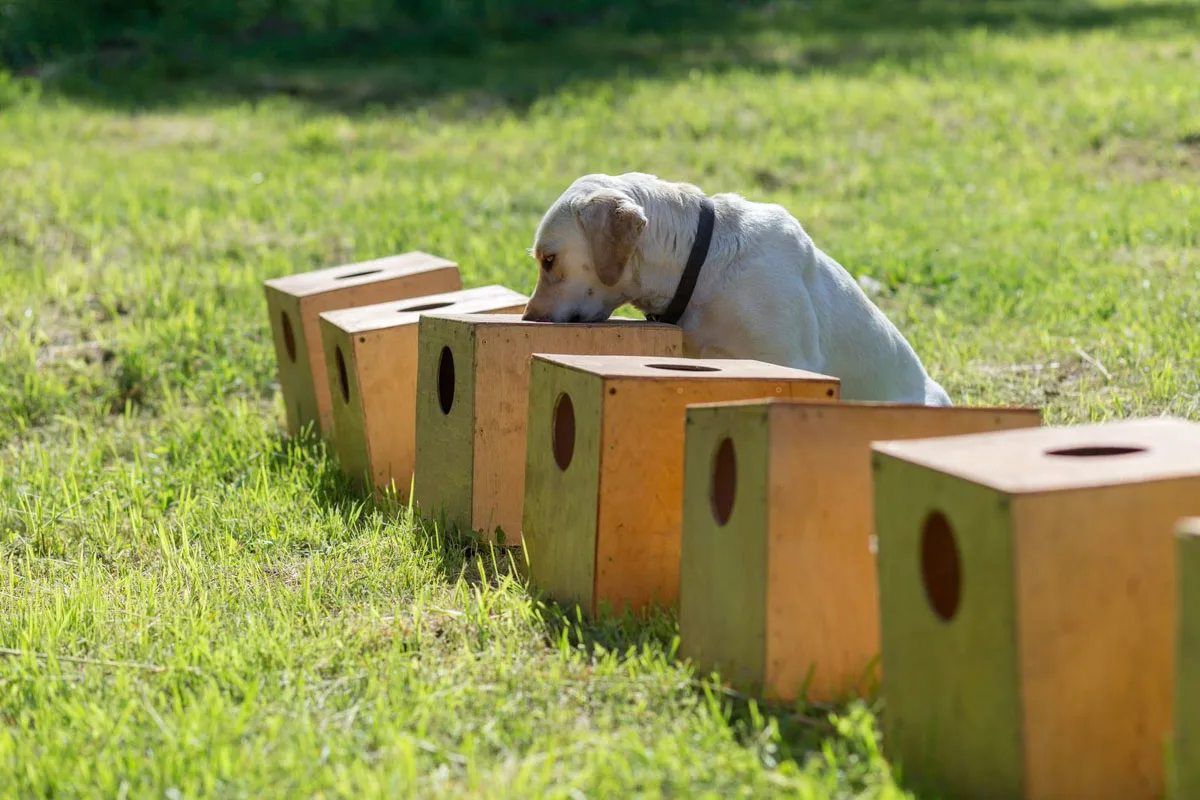
Detection dogs outperform machines when it comes to identifying tiny traces of explosives or illegal substances. Their noses are sensitive enough to pick up scents at parts per trillion, allowing them to locate hidden contraband inside vehicles, luggage, or buildings. Unlike machines, dogs can adjust in real time, working in crowded or unpredictable environments without losing accuracy. Their reliability and speed make them essential in security, border patrol, and law enforcement settings.
Herding


Dogs have been herding livestock for centuries, and they still do it better than any human or machine. They can move large groups of animals quickly and safely, responding to complex hand signals or whistles with precision. A trained herding dog knows when to apply pressure and when to back off, keeping animals calm while directing them exactly where they need to go. On large farms and open land, these dogs are irreplaceable for efficiency and control.
Cadaver Search


When it comes to locating human remains, cadaver dogs provide capabilities humans simply do not have. Their sense of smell allows them to detect decomposition buried under soil, hidden in structures, or even submerged in water. These dogs help solve crimes, identify victims after disasters, and bring closure to families. Their training is specialized and rigorous, and their ability to locate remains can lead to discoveries that would otherwise go unnoticed.
Service


Service dogs perform tasks that improve safety, independence, and mobility for people with disabilities. They’re trained to recognize medical alerts, retrieve dropped items, guide the visually impaired, and even press elevator buttons. Their work goes beyond basic obedience: they interpret situations, problem-solve on the fly, and respond to unique needs in a way that no person can duplicate with the same consistency and intuition. Their impact on daily life is both practical and deeply personal.
Medical Detection


Some dogs can detect shifts in a person’s body chemistry before any symptoms appear. They’ve been trained to identify cancer, drops in blood sugar, or impending seizures using only scent. This kind of early detection can help people get medical treatment faster or avoid emergencies altogether. While the science is still developing, the results have been significant enough to put these dogs in research labs, hospitals, and homes where they act as living, breathing medical monitors.
Conservation


Conservation work often depends on data that’s difficult and time-consuming for humans to collect. That’s where dogs come in. They can track endangered species, locate invasive plants, and detect signs of poaching. Their scent detection allows conservation teams to cover more ground, gather more accurate data, and respond faster to threats. In dense forests or remote environments, these dogs provide essential support for researchers and environmentalists trying to protect ecosystems.
Truffle Hunting


Truffle hunting is as much about precision as it is about location, and dogs excel at both. Their sense of smell is significantly more refined than pigs, which were traditionally used for this task. Unlike pigs, dogs don’t try to eat the truffles once they find them. They can be trained to locate mature truffles without damaging the area, helping foragers harvest this valuable ingredient efficiently and sustainably. In truffle-producing regions, these dogs are considered an essential part of the process.
Bed Bug Detection


Detecting bed bugs early can prevent major infestations, and dogs are far more effective than human inspectors. Their ability to identify scent trails allows them to locate bugs in mattresses, walls, and furniture where they would otherwise go unnoticed. They work quickly, often inspecting entire buildings in less time than it would take a human team. Their accuracy helps pest control companies target problem areas directly, making treatments more successful and less disruptive.
Electronics Detection


Some dogs are trained specifically to find hidden electronics, including phones, hard drives, and USB devices. These skills are critical in criminal investigations, particularly in cases involving digital evidence or contraband in prisons. While a human might miss a device tucked inside a wall or hidden under floorboards, a dog can locate it with a few sniffs. Their work helps uncover evidence that could be crucial to solving crimes or protecting public safety.
9 Dog Breeds That Were Bred For Completely Unexpected Jobs


Not all dogs were bred just to be loyal companions or fetch tennis balls. Some of them have pretty wild backstories you wouldn’t expect. From tiny lap dogs with tough-as-nails attitudes to fluffy pups who used to have serious day jobs, these breeds weren’t always just about looking cute.
Read it Here: 9 Dog Breeds That Were Bred For Completely Unexpected Jobs
13 Dogs That Could Probably Do Your Job Better Than You


Some dogs take the term “work-life balance” way more seriously than we do, but with a heavy lean toward work. Herding dogs are precision-focused project managers, keeping the chaos in check with uncanny efficiency. Working dogs? They’ve got the grit to outlast any of us during crunch time, excelling at security, search, or just making us look bad. Even the sporting group gets in on the action, with their relentless energy and adaptability. These breeds weren’t just bred for tasks, they were practically born with a résumé in paw.
Read it Here: 13 Dogs That Could Probably Do Your Job Better Than You
*Select images provided by Depositphotos.