


Dogs are good for more than companionship. Growing research shows that they can have a measurable impact on mental health, from lowering stress hormones to boosting feel-good brain chemicals. They encourage you to move more, interact with others, and stick to a routine, all of which play a role in emotional well-being.
Whether you’re dealing with anxiety, depression, or just the everyday pressure of life, a dog can help you feel more grounded. These benefits aren’t just wishful thinking. They’re backed by science and show how much your dog is doing for you beyond wagging their tail.


Stress Reduction


Spending time with a dog has been shown to help lower stress levels both mentally and physically. Petting a dog can reduce cortisol, the hormone associated with stress, while increasing oxytocin, the chemical tied to bonding and calm. The repetitive, tactile experience of stroking their fur helps slow your breathing and quiet racing thoughts. Even just sitting quietly next to a relaxed dog can help regulate your mood and ease mental tension after a difficult day.
Increased Physical Activity


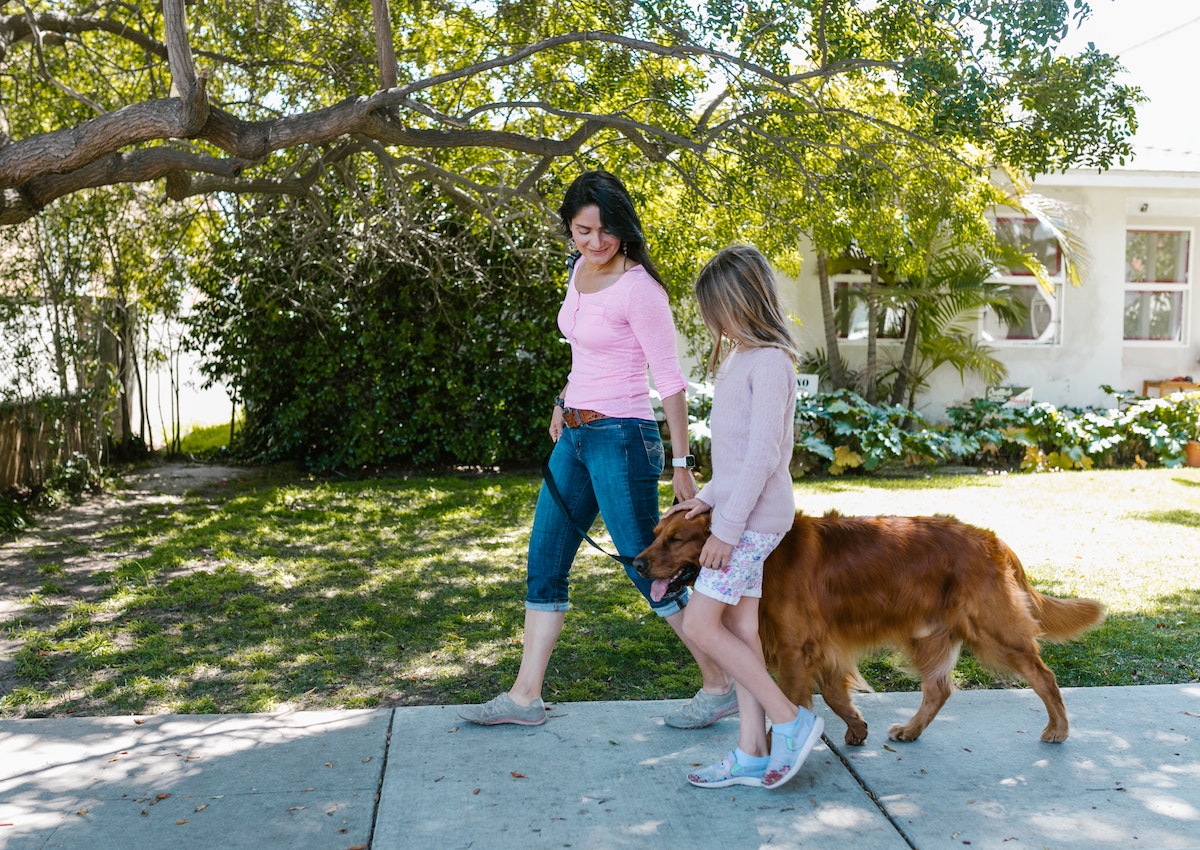
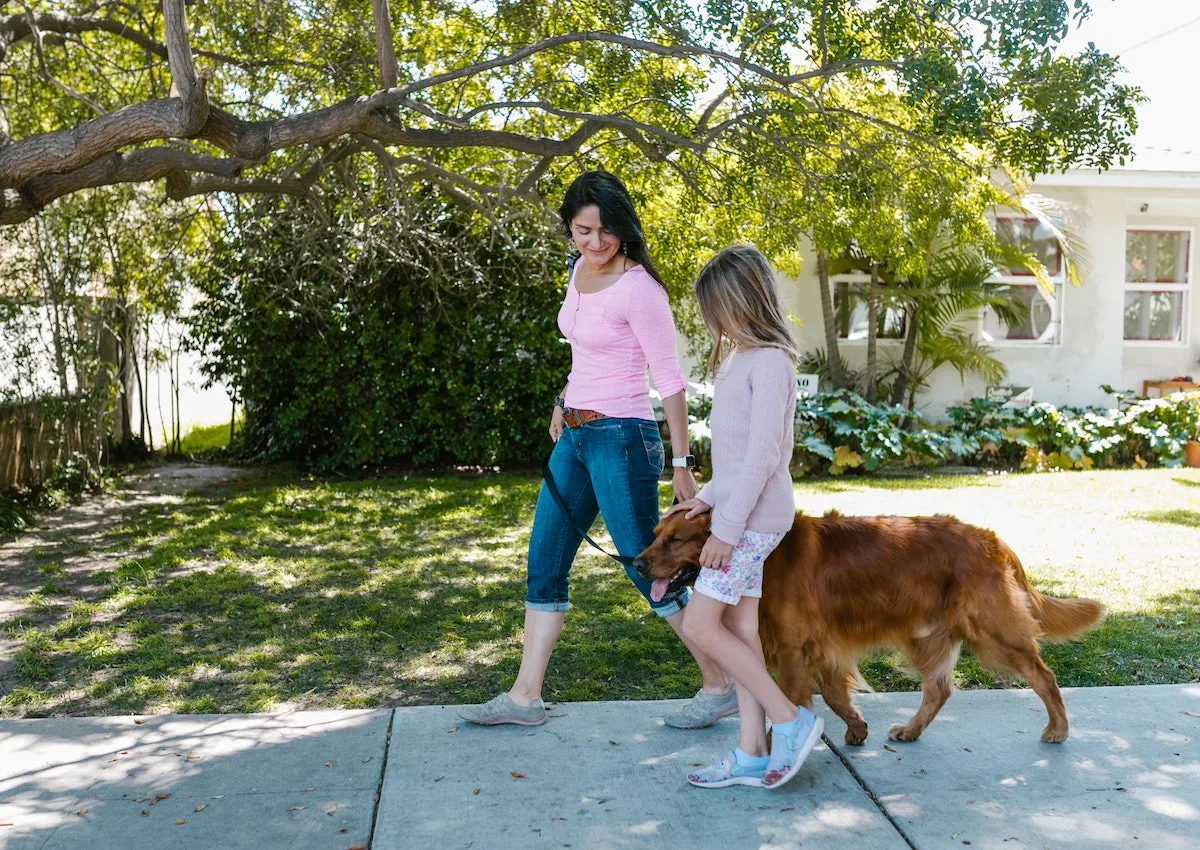
Dogs need daily exercise, and that means their owners get moving too. Whether it’s brisk morning walks, weekend hikes, or spontaneous playtime in the backyard, having a dog encourages consistent physical activity. Movement like this is good for your body and has a direct impact on your brain by releasing endorphins, improving circulation, and creating a sense of momentum that can pull you out of a mental slump. It’s structured activity without the pressure of a formal workout routine.
Social Interaction


Dogs create natural opportunities for connection, even if you tend to avoid social situations. Walking a dog around the neighborhood often leads to casual greetings, friendly conversations, and shared experiences with other pet owners. Dog parks and training classes bring people together through a common bond, and this regular, low-stakes interaction can help reduce feelings of loneliness or social anxiety. For people who struggle with isolation, dogs become a gateway to the outside world.
Companionship


There’s a steady comfort that comes from knowing your dog is always nearby. Dogs offer companionship that doesn’t depend on conversation, expectations, or explanations. Their loyalty is constant, and their presence can help ease the emotional weight of solitude. When you’re feeling overwhelmed or down, a dog doesn’t need you to explain, they just sit beside you, quietly reminding you that you’re not alone. That kind of companionship fills emotional gaps in a way people sometimes can’t.
Mood Boosters


Interacting with a dog can trigger the release of serotonin and dopamine, two chemicals that play a major role in mood regulation. These feel-good neurotransmitters contribute to emotional balance and help combat symptoms of depression. Dogs also make you laugh, give you moments of joy, and help shift your attention away from daily stressors. Just spending time with them, whether you’re playing, talking to them, or simply watching their antics, can lift your spirits and reset your mindset.
Routine and Structure
Dogs thrive on consistency, which naturally encourages structure in your day. Feeding, walking, grooming, and bedtime routines give you a schedule to stick to, even when your own motivation is running low. This kind of external accountability can be especially helpful if you’re dealing with depression, anxiety, or burnout. Knowing that your dog depends on you adds gentle pressure to stay engaged, and that regular rhythm can bring a sense of stability to your daily life.
Sense of Purpose


Caring for a dog gives you something meaningful to focus on outside of yourself. Their needs are constant, and showing up for them day after day builds a sense of responsibility and accomplishment. When mental health makes it hard to find motivation or direction, having a dog creates purpose by default. Whether it’s making sure they eat, get exercise, or feel safe, the act of being needed can reignite a sense of self-worth and help restore a feeling of usefulness.
Comfort and Emotional Support


Dogs are intuitive animals and often pick up on emotional shifts before anyone else does. They respond to tone of voice, body language, and energy, making them excellent emotional companions. When you’re feeling overwhelmed, anxious, or sad, a dog might curl up closer, rest their head on your lap, or simply stay nearby. Their silent support helps ground you in the moment and provides a source of comfort that doesn’t rely on words. They don’t try to fix anything, they just stay present.
Increased Mindfulness


Spending time with a dog naturally pulls your attention to the present. Whether you’re watching them explore the backyard, throwing a ball, or giving them a bath, they remind you to slow down and focus on what’s happening right now. Dogs don’t dwell on yesterday or worry about tomorrow, and being around that energy helps you do the same. These little moments of mindfulness can add up, giving your brain a break from overthinking and creating space for calm.
Reduced Anxiety in Social Situations


For people who feel uneasy in public or anxious around groups, a dog can act like a social buffer. Their presence creates a sense of safety and gives you something to focus on other than your own discomfort. Walking into a crowded space or meeting new people feels easier when your dog is by your side. They provide emotional reassurance and give others an easy way to engage, which can help reduce pressure and build confidence in social settings.
13 Dogs That Know You’re Upset Before You Even Say A Word


Some dogs are naturally tuned in to human emotion. They notice the way someone walks into a room, the change in tone, or the quiet moments that feel heavier than usual. These breeds respond to those shifts without being told, often by moving closer, staying still, or watching more carefully. They don’t need words or big reactions to understand that something isn’t right. Their calm presence and steady attention make them a source of quiet support.
Read it Here: 13 Dogs That Know You’re Upset Before You Even Say A Word
12 Breeds That Will Stay Velcroed To Your Side


Some dogs like a little space. These aren’t those dogs. These are the ones who sit outside the bathroom door, follow you from room to room, and act like your shadow has a heartbeat. They’re not clingy in a needy way, they’re just wired to stay close. It’s how they bond, how they feel secure and how they make sure you don’t do anything interesting without them.
Read it Here: 12 Breeds That Will Stay Velcroed To Your Side
*Select images provided by Depositphotos.