


Some dogs are naturally tuned in to human emotion. They notice the way someone walks into a room, the change in tone, or the quiet moments that feel heavier than usual. These breeds respond to those shifts without being told, often by moving closer, staying still, or watching more carefully. They don’t need words or big reactions to understand that something isn’t right. Their calm presence and steady attention make them a source of quiet support.


Labrador Retriever


Labrador Retrievers are deeply connected to the people they live with. They watch for changes in behavior, voice, and routine, and respond quickly to emotional shifts. They often stay close when they sense something is off, offering quiet support and physical presence without needing direction.
Cavalier King Charles Spaniel


This breed was developed to be a companion, and that role still defines how they behave today. Cavaliers are sensitive to tone, movement, and energy. When someone is upset, they respond with calm stillness and gentle affection. They often seek out closeness and remain nearby until the emotion passes.
Border Collie


Border Collies are highly observant and deeply responsive. Their ability to read body language and facial expression makes them quick to recognize emotional changes. They often adjust their behavior when someone feels off, becoming quieter and more attentive without being prompted.
Golden Retriever
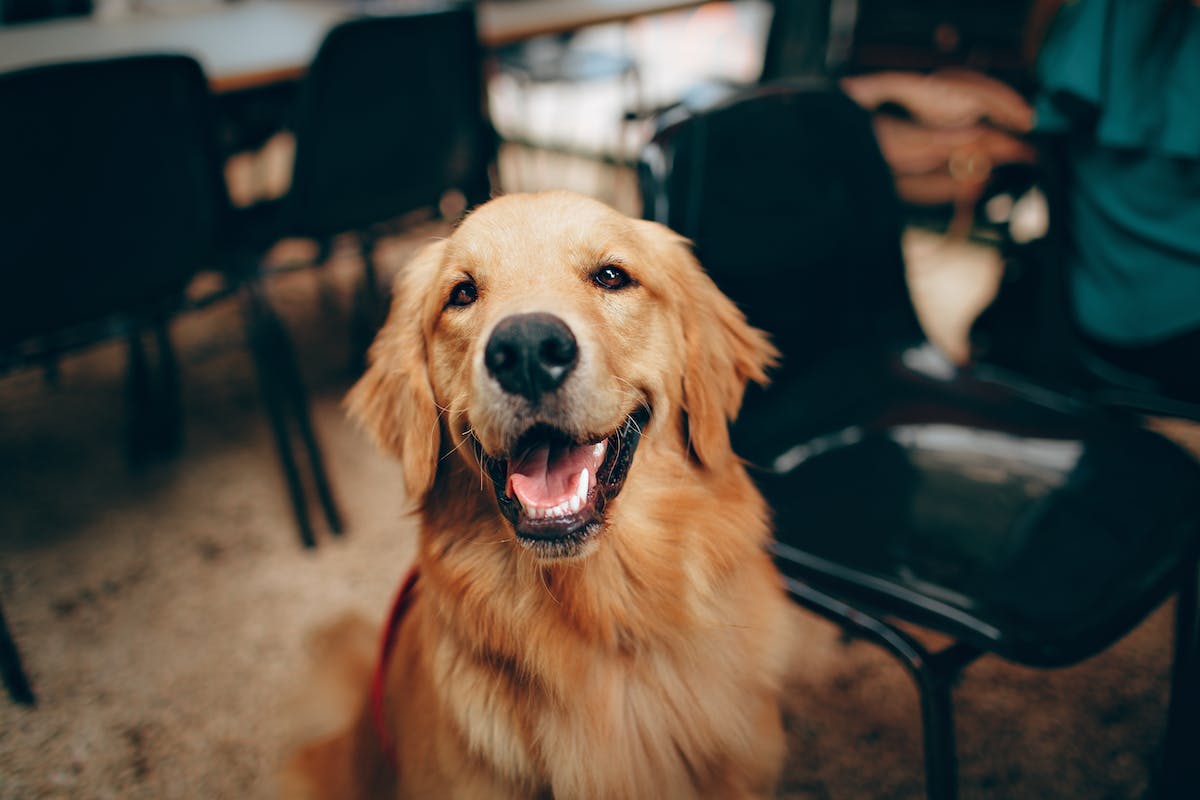
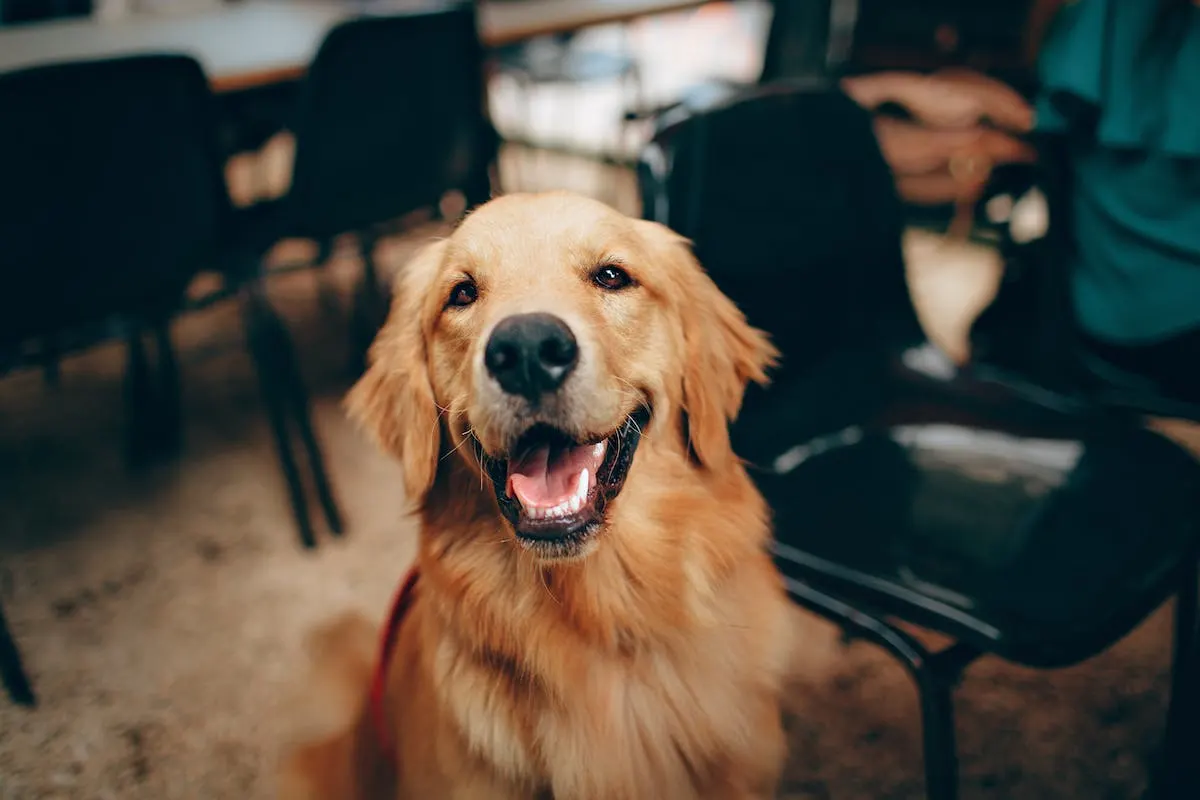
Golden Retrievers are known for their patience and emotional sensitivity. They pay close attention to people and often respond with quiet affection when something feels wrong. Their calm demeanor and need to stay near their person make them especially comforting during hard moments.
Australian Shepherd


Australian Shepherds form strong bonds and are always aware of what their person is doing. They pick up on small cues and often react by sitting closer, watching more carefully, or becoming more gentle in their interactions. Their natural attentiveness helps them recognize when something is wrong.
Great Dane


Great Danes tend to stay emotionally grounded and connected to the people around them. They are physically large, but their movements are calm and slow, which adds to their comforting presence. When someone feels off, they often lean in or quietly stay close until the situation improves.
Papillon


Papillons are alert and highly sensitive to changes in mood and behavior. They often observe quietly from nearby and tend to become more physically affectionate when someone is upset. Their small size doesn’t affect their awareness or the strength of their emotional bond.
German Shepherd


German Shepherds are known for their loyalty and their strong sense of responsibility. They often take on a protective role and become more focused when something seems off. They recognize distress in posture and tone and often place themselves nearby to watch and offer comfort.
Vizsla


Vizslas are deeply people-oriented and thrive on physical closeness. They quickly recognize when something is wrong and often respond with direct affection, like resting their head on a lap or staying within arm’s reach. Their strong attachment makes them attentive and responsive to emotional changes.
Rough Collie


Rough Collies have a gentle, perceptive nature and often respond to stress with quiet presence. They form close bonds with family and observe their people carefully. When emotions shift, they become more watchful and often move closer as a form of silent support.
Havanese


Havanese are steady, emotionally responsive dogs who prefer being near their person at all times. They watch carefully for emotional changes and often respond by sitting closer or following more closely. Their presence can be grounding and calming when things feel heavy.
English Setter


English Setters have a peaceful disposition and a soft sensitivity to the emotional state of those around them. They notice changes in movement and energy and often offer stillness and closeness as a response. Their calm nature helps ease tension without requiring much interaction.
Doberman Pinscher


Dobermans form strong attachments and are highly intuitive. They often stay alert to both the environment and their person’s behavior. When something feels off, they become more focused and attentive. Their presence alone is often a form of quiet reassurance.
10 Ways Dogs Detect Emotions and Their Amazing Sixth Sense


Ever feel like your dog knows how you’re feeling before you do? That’s because they probably do. Dogs have an uncanny ability to pick up on our emotions, whether we’re thrilled, stressed, or just tired of answering emails. Their “sixth sense” isn’t magic—it’s a mix of sharp observation, instinct, and some seriously advanced sniffing skills.
Read it Here: 10 Ways Dogs Detect Emotions and Their Amazing Sixth Sense
12 Reasons Dogs Stick Close To Certain People And Avoid Others


Dogs don’t play favorites randomly—they’ve got their reasons, and they’re not shy about showing them. Whether it’s gravitating toward the treat-giver, clinging to the calmest person in the room, or steering clear of the chaotic one, dogs are experts at reading people in ways we can’t. They notice everything: your energy, your tone, even how consistent you are with their dinner schedule. And when they decide who they’re sticking to—or avoiding—it’s not just instinct, it’s calculated loyalty.
Read it Here: 12 Reasons Dogs Stick Close To Certain People And Avoid Others
*Select images provided by Depositphotos.