


Brushing a dog’s teeth can feel like a losing battle. Between the squirming, the mess, and the confusion, it’s easy to put off. But dental health plays a big role in a dog’s overall well-being, and neglecting it can lead to serious problems down the road. It doesn’t have to be complicated though. With the right habits and a few easy tools, keeping your dog’s mouth clean can be simple, manageable, and even enjoyable for both of you. These stress-free tips make it easier to stay on top of your dog’s dental hygiene.


Regular Brushing


Brushing your dog’s teeth might seem like a battle at first, but it gets easier with consistency and patience. Use a toothbrush made for dogs and always choose toothpaste that’s safe for pets, since human toothpaste contains ingredients that can be harmful. Start slowly by letting your dog get used to the brush and the taste. Brushing a few times a week can make a big difference in preventing plaque and keeping their mouth healthy.
Dental Chews


Dental chews are an easy and enjoyable way to support your dog’s oral hygiene. These chews are designed to help reduce plaque and tartar while also giving your dog something to focus their chewing energy on. Most dogs see them as a treat, which makes it an effortless part of your routine. Look for options approved by veterinary dental associations and always match the size to your dog’s needs.
Professional Cleanings
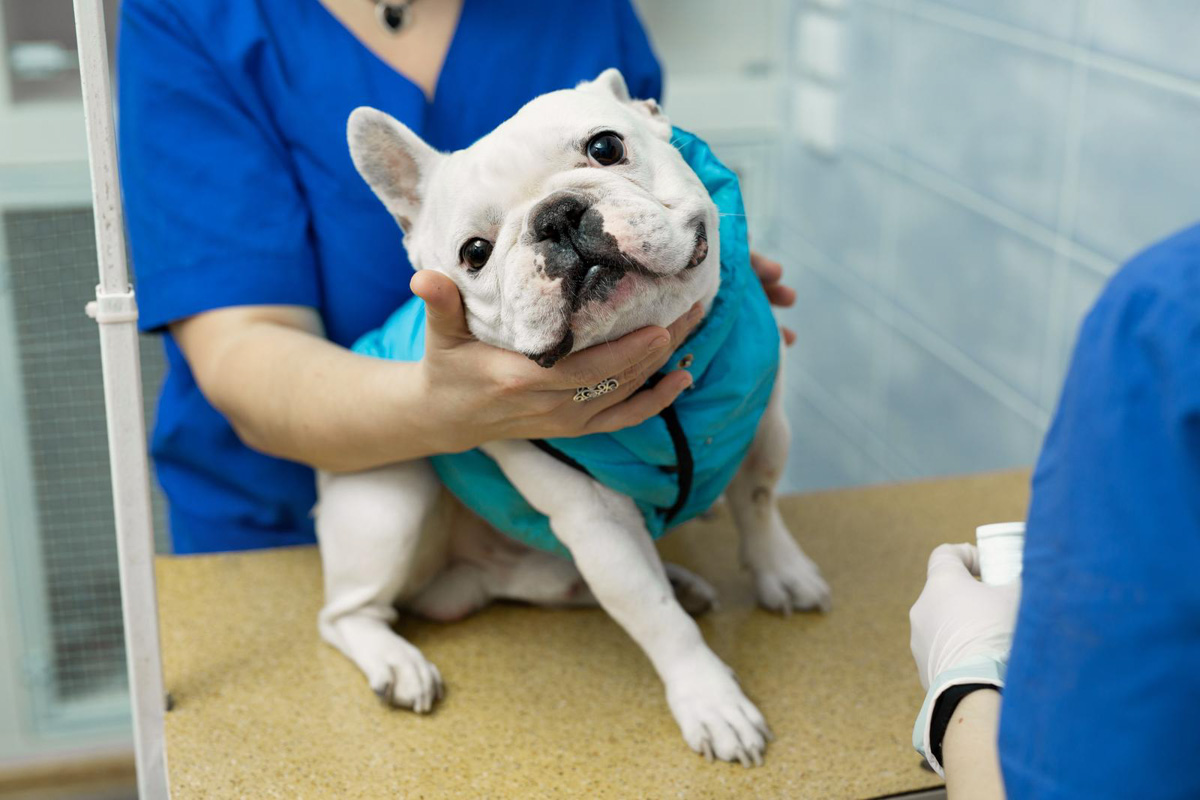
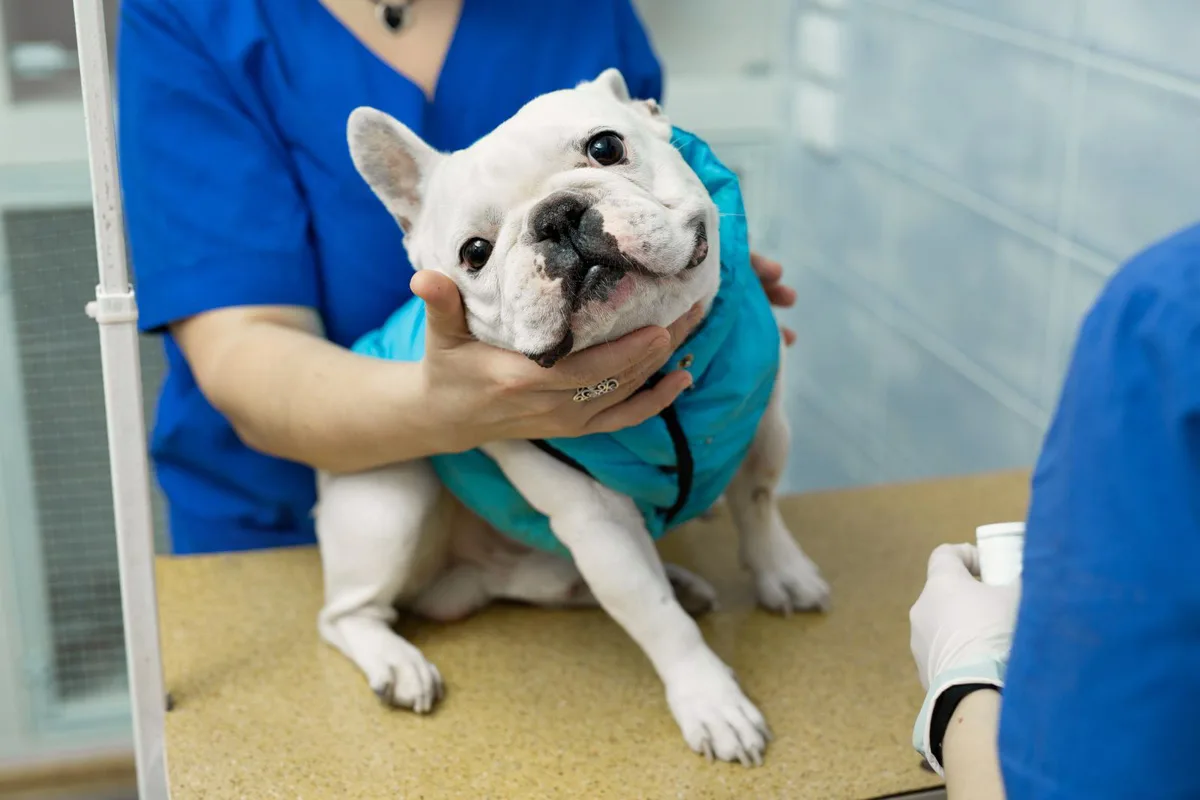
Even with regular brushing, some areas in your dog’s mouth are hard to reach. A professional cleaning at your vet’s office provides a deep clean that helps prevent gum disease and identifies problems before they become serious. These appointments are usually done under anesthesia, allowing your vet to examine and clean below the gumline without causing your dog discomfort.
Healthy Diet


What your dog eats affects more than just their weight. Some foods are formulated to support dental health by helping reduce plaque as your dog chews. Crunchy kibble, rather than soft food, can naturally help clean their teeth during meals. Ask your vet if a dental-specific diet or certain ingredients might be worth adding to your dog’s daily routine.
Chew Toys


Chewing is a natural behavior that can also benefit dental health when the right toys are involved. Many toys are made specifically to massage gums and scrape away plaque while your dog plays. Choose toys that are safe and appropriate for your dog’s chewing style to avoid damage to their teeth. Rotate different types to keep things interesting and effective.
Regular Vet Checkups


Routine vet visits are your first line of defense when it comes to spotting dental problems early. During these checkups, your vet will examine your dog’s mouth, gums, and teeth for signs of disease, damage, or discomfort. Catching issues early makes treatment simpler and less stressful for both you and your pet. It also gives you a chance to ask about specific concerns and get personalized advice.
Water Additives


If brushing is a challenge or your dog resists anything near their mouth, water additives are a useful tool. These products can help freshen breath and reduce plaque by simply being added to your dog’s water bowl. Make sure to follow the dosage instructions and use only vet-approved options. It’s a no-fuss way to add a little extra protection between cleanings.
Dental Treats

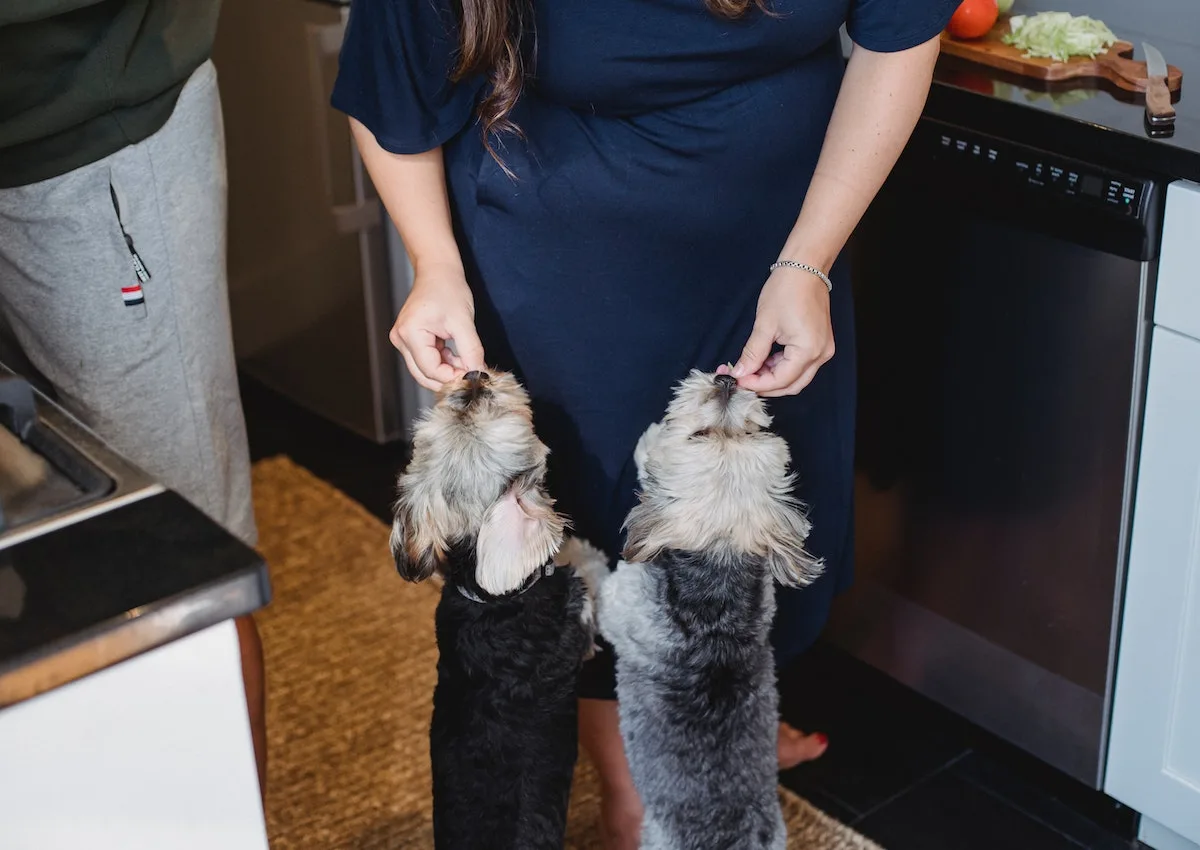
Dental treats are another option that combines oral care with a snack your dog looks forward to. These treats are made to clean teeth as your dog chews, which can help reduce buildup over time. Always choose treats based on your dog’s size and dietary needs. While they are not a replacement for brushing, they can be a helpful supplement to your routine.
Monitor Chewing Habits


Changes in how your dog chews can be one of the earliest signs of dental trouble. If they start favoring one side of their mouth, lose interest in chewing, or suddenly avoid hard foods or toys, it may be time for a closer look. Make it a habit to gently check their mouth every so often for swelling, bleeding, or discoloration. Early detection can prevent more serious problems later.
Provide Raw Bones
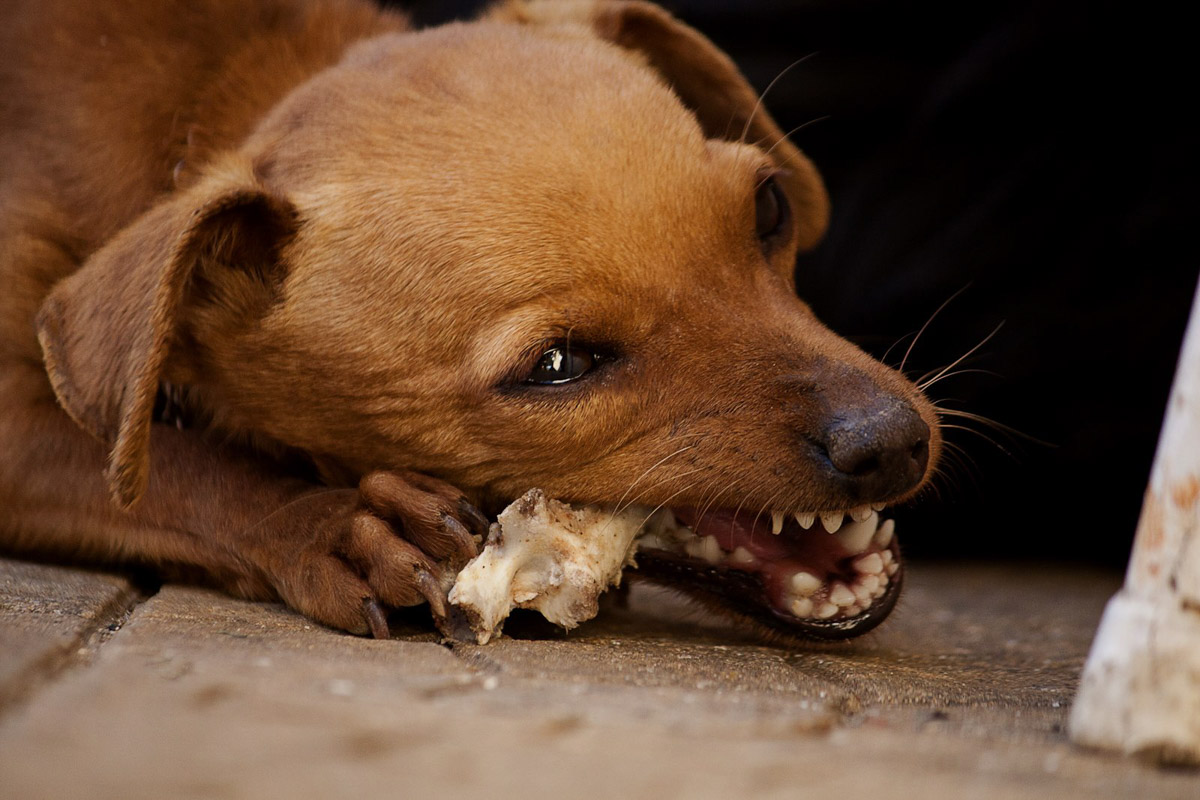
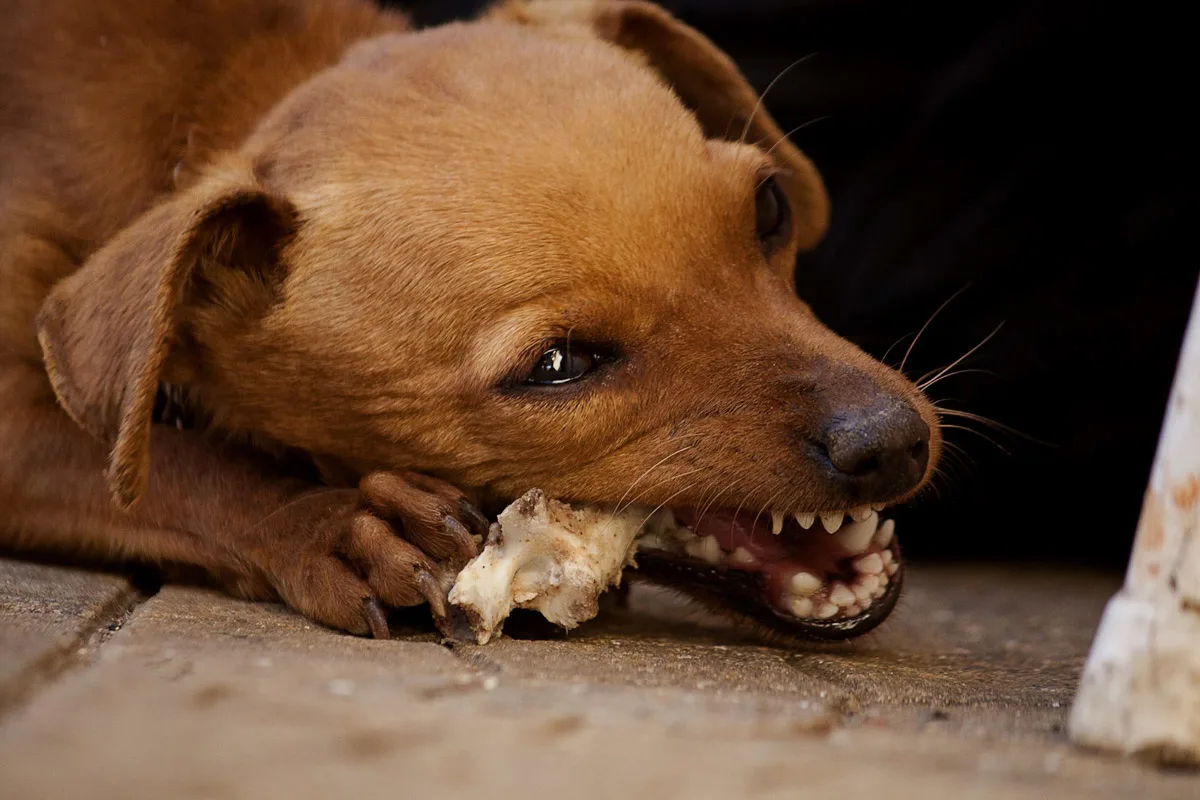
Raw bones can help scrape away plaque while giving your dog something satisfying to chew on. Always choose bones that are the right size for your dog and supervise them while they chew to prevent choking or tooth fractures. Never give cooked bones, which can splinter and cause injuries. When done safely, raw bones can be a natural addition to your dog’s dental care plan.
How To Remove Plaque From Your Dog’s Teeth


We all adore our dogs, especially when they flash us those bright-eyed looks accompanied by tail wags and a gleaming smile. But are you ensuring that behind that adorable grin lies a set of healthy teeth? Plaque buildup in dogs can lead to dental issues, just as it can in humans. This guide will walk you through the how to remove dog plaque and why it’s important.
Read it Here: How To Remove Plaque From Your Dog’s Teeth
10 Dog Care Mistakes You’re Probably Guilty Of


Nobody gets a dog thinking they are going to mess it up, but it happens more than people like to admit. Even the most well-meaning owners can fall into habits that are not doing their pets any favors. Most of the time, you will not even realize there is a problem until it is pointed out. A little self-awareness goes a long way when it comes to raising a healthy, happy dog. If you are serious about doing better, it starts right here.
Read it Here: 10 Dog Care Mistakes You’re Probably Guilty Of