


Puppies get all the attention, but senior dogs bring something even better to the table. They offer stability, calm, and companionship without the chaos. They don’t need constant supervision, they’re less likely to destroy your stuff, and they usually already know how to behave in a home. If you’re looking for a loyal companion who fits into your life with ease, an older dog might be the perfect match. Here are nine reasons why choosing a senior dog can be a smart and rewarding decision.


Calm and Relaxed


Senior dogs bring a sense of peace and steadiness that puppies just don’t have. They’ve already gone through the wild puppy phase, so they’re not bouncing off the walls or chewing everything in sight. If you’re looking for a pet who enjoys quiet afternoons, leisurely walks, and cozy naps at your side, an older dog is a great fit for that pace of life.
Easier Training


Most senior dogs come with a lifetime of experience. They’ve often lived in homes before and already understand basic commands, routines, and household boundaries. Instead of having to start from scratch like you would with a puppy, you get to skip the sleepless nights, the potty training headaches, and the teething disasters. They’re usually eager to please and quick to adapt to a new home.
Lower Exercise Needs
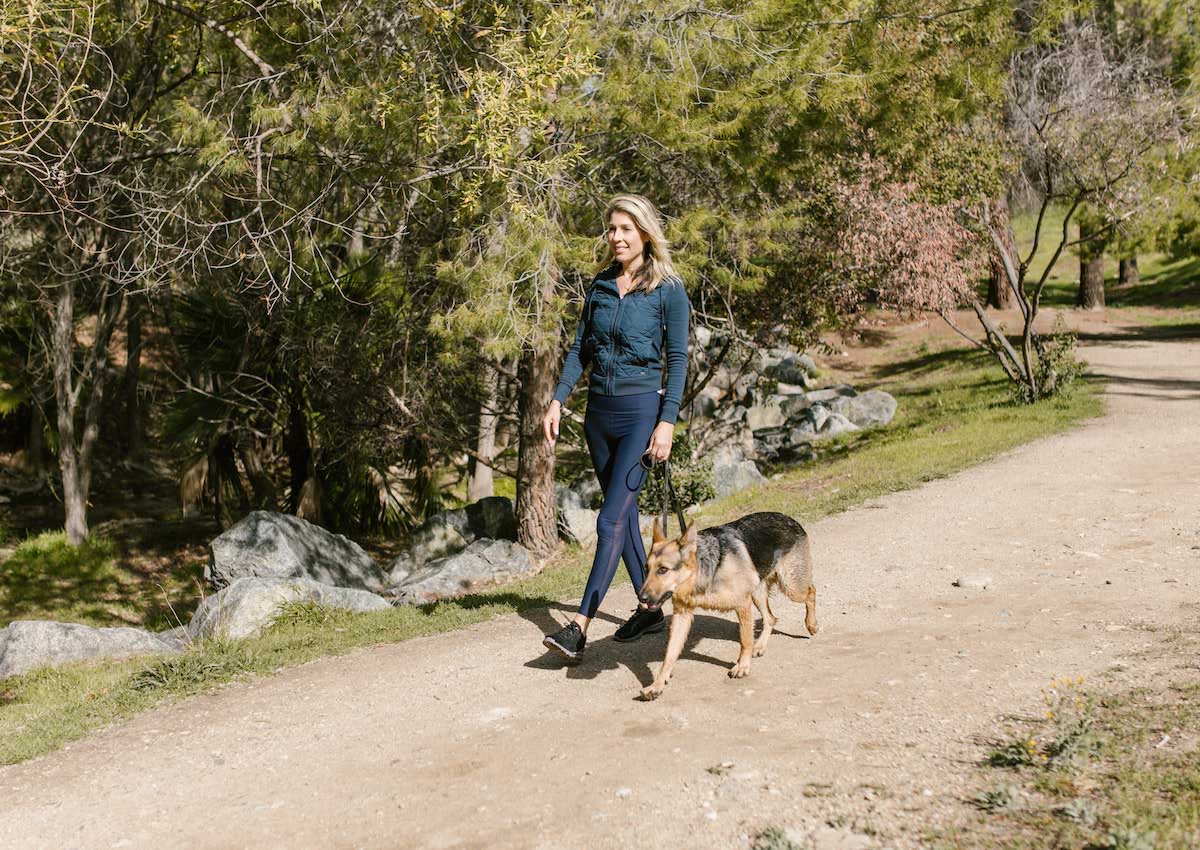

If you don’t have the time or energy to keep up with a hyper puppy, senior dogs are much easier to keep happy. They’re content with short daily walks, a few play sessions, and plenty of time to relax. They still enjoy being active, but they don’t need constant movement to stay balanced. This makes them a perfect match for busy households or owners with more relaxed routines.
Grateful Companionship


There’s something special about the way senior dogs connect with their people. Many have been through hard times or long shelter stays, and they seem to understand when they’ve been given a second chance. That gratitude often shows up in the form of quiet loyalty, gentle affection, and a strong bond that grows quickly. They don’t take their new home for granted.
Predictable Behavior


Puppies are adorable, but their personalities are still developing. With senior dogs, what you see is what you get. You’ll know right away if they’re shy or social, active or mellow, independent or clingy. There are no surprises down the line, which means fewer growing pains and a smoother transition. It’s a more straightforward path to a strong connection.
Good for Your Health


Senior dogs contribute to your well-being in real, measurable ways. Their calm presence can help lower stress levels and promote relaxation. Spending time with them has been linked to reduced blood pressure, lower anxiety, and improved mood. Their affection feels steady and grounding, especially for people who need more calm and comfort in their daily lives.
Teaching Responsibility


Bringing a senior dog into your home is a meaningful way to teach empathy and compassion, especially to kids. Unlike puppies who tend to draw focus with their energy, senior dogs require a different kind of care, one that’s slower, more intentional, and rooted in patience. They’re a powerful reminder of the value of caring for others through all stages of life.
Saving a Life


Senior dogs are often overlooked in shelters, which means many of them face uncertain futures. Choosing to adopt one isn’t just a personal win, it’s also a life-saving decision. You’re giving an older dog a safe, loving home for their remaining years. That kind of impact matters, both for the dog and for the person who gets to witness the difference it makes.
Instant Companionship


Puppies take time to settle in and learn how to live with a new family. Senior dogs usually adjust quickly and fit into household routines with very little effort. They’ve lived in homes before and understand how to be part of one. This makes them ready-made companions who are prepared to offer affection, loyalty, and presence from day one.
Less Destructive


One of the biggest perks of skipping the puppy stage is keeping your furniture, shoes, and sanity intact. Senior dogs have already moved past the chewing, digging, and general chaos that comes with young dogs. They’re content with their toys, understand boundaries, and rarely feel the need to tear through the house out of boredom. If you want a calm home without surprise messes or chewed-up remotes, a senior dog is the safer bet.
10 Tips to Keep Your Senior Dog Happy and Healthy


As dogs get older, they need a bit more care to stay happy and healthy. Simple changes in their routine can make a big difference in their well-being. From adjusting their diet to ensuring they get gentle exercise, there are plenty of ways to help your senior dog thrive. Here are some practical tips to keep your aging pup in great shape.
Read it Here: 10 Tips to Keep Your Senior Dog Happy and Healthy
12 Gentle Exercises To Keep Your Senior Dog Active


Just because your dog’s getting older doesn’t mean they’re ready to retire from all the fun. Sure, they might not be sprinting around like a puppy anymore, but there are plenty of ways to keep them moving without overdoing it. The trick is finding exercises that let them stretch their legs without pushing those aging joints too hard. It’s about keeping them fit, happy, and out of the vet’s office. If your senior pup’s idea of a workout is a slow stroll to the food bowl, we’ve got some simple, low-stress activities to help them stay active and feeling good.
Read it Here: 12 Gentle Exercises To Keep Your Senior Dog Active
*Select images provided by Depositphotos.