


Dog parks can seem like the perfect place for your dog to run off energy, meet other dogs, and enjoy some freedom. While many visits go smoothly, these spaces also come with risks that are easy to overlook. From health concerns and environmental hazards to unpredictable behavior and overcrowding, there are factors that can turn a fun outing into a stressful experience.


Sudden Changes in Dog Behavior
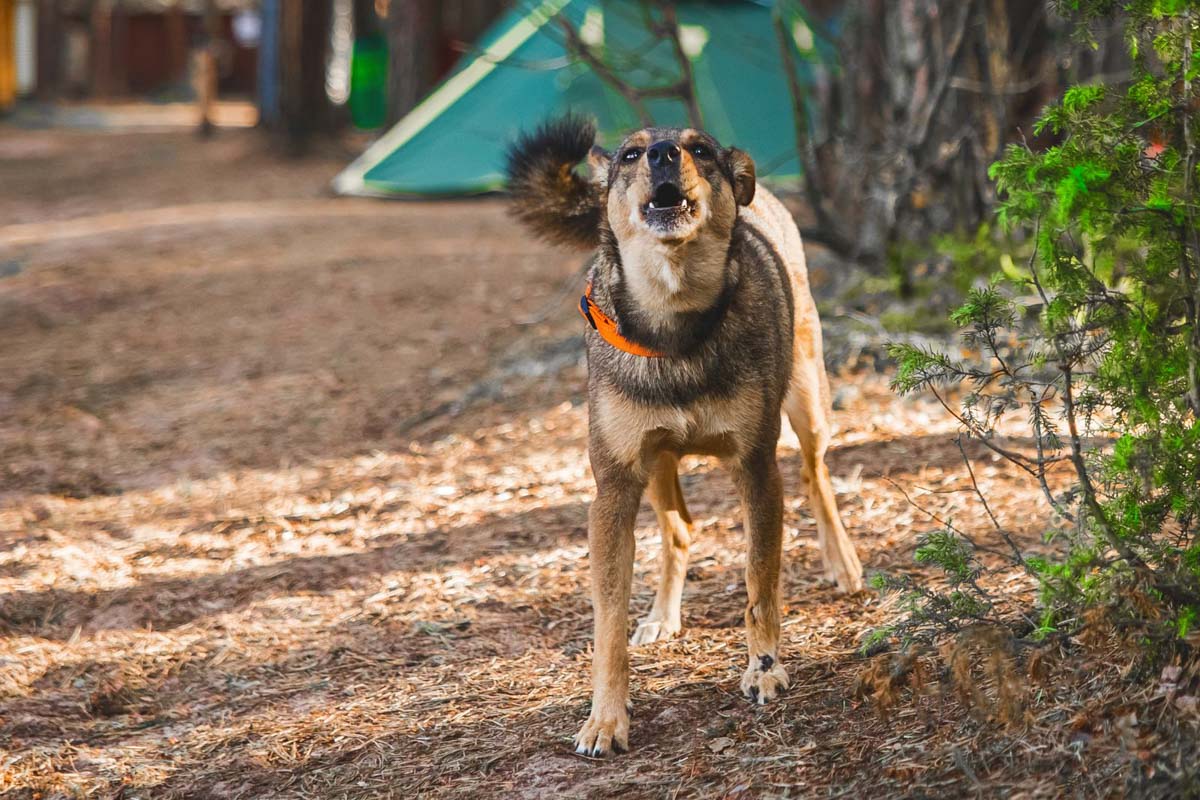

Even the calmest, friendliest dog can have a moment where instincts take over. At the park, your pet might meet another dog who is anxious, dominant, or simply having a bad day. What starts as a friendly game can shift quickly into tense body language, growls, or even a scuffle. It is not always possible to anticipate how two unfamiliar dogs will react to each other, which means a trip meant for fun can turn stressful in seconds.
Group Dynamics That Lead to Aggression


When dogs gather in groups, they can feed off each other’s excitement. A simple chase can snowball into overly rough play as dogs match the energy around them. Even a well-mannered dog can get swept up in the moment, forgetting your cues and joining in on rowdy behavior. This shift in group dynamics can make it harder for you to step in and regain control if things escalate.
Fleas, Ticks and Other Parasites


Dog parks provide a perfect environment for fleas, ticks, and other parasites to spread. With so many animals using the same turf, these pests can easily find new hosts. A few minutes of rolling in the grass or greeting other dogs can result in hitchhikers that follow your pup home. Regular preventive treatments help, but the risk is always there in shared outdoor spaces.
Disease Risks from Communal Water Sources


Those big communal water bowls may seem like a thoughtful touch, but they can harbor bacteria and viruses that spread quickly among dogs. Pathogens that cause illnesses like kennel cough or giardia can survive in these water sources, turning a quick drink into a health concern. Bringing your own fresh water and a clean bowl is the safest way to keep your dog hydrated without unnecessary exposure.
Physical Dangers in the Park Environment


Beneath the surface of a well-kept park can be hazards you do not immediately see. Broken glass, discarded food, or plants that are toxic to dogs can hide in tall grass or near fence lines. Even a small cut or nibble on the wrong leaf can turn into a costly vet visit. A quick walk around the area before letting your dog run can help spot and remove immediate dangers.
Lack of Owner Oversight


Not every dog owner watches their pet closely, which can cause problems for others. Without active supervision, rough play can get out of hand, smaller dogs can be overwhelmed, and disputes between animals can go unresolved until someone gets hurt. A safe park experience relies on everyone staying alert to their dog’s behavior and stepping in when needed.
Stress from Large Crowds of Dogs


Peak times at popular parks can bring more dogs than the space can comfortably handle. High noise, constant movement, and competition for space can overwhelm certain dogs, making them anxious or defensive. When the area is crowded, it also becomes harder for owners to monitor their pets or prevent unwanted interactions, increasing the chance of conflict.
Contagious Illnesses Among Dogs


Dog parks are one of the easiest places for contagious illnesses to spread. Respiratory infections like canine influenza or kennel cough move quickly through close contact and shared surfaces. Even with vaccinations, no dog is completely immune, and new strains can emerge. Keeping your dog’s vaccinations current is essential if you plan to visit frequently.
Threat of Stolen Pets


Though uncommon, dog theft can happen, especially with high-value or purebred animals. A brief distraction is all it takes for someone to approach and walk off with a dog. Remaining aware of your surroundings and keeping your pet in sight at all times reduces the risk of an incident.
Dogs That Struggle in Park Settings


Some dogs simply do not thrive in a dog park setting. Those with anxiety, aggression, or poor social skills may find the experience overwhelming and unpleasant. Instead of burning energy, they may leave more stressed than when they arrived. Choosing activities and environments that suit your dog’s personality is often better than forcing them into an uncomfortable situation.
15 Dogs That Always Steal The Spotlight At The Dog Park


Some dogs naturally command attention the moment they step into the park. With striking features, eye-catching coats, or a presence that’s hard to ignore, these breeds are the ones everyone stops to admire. Is yours on the list?
Read it Here: 15 Dogs That Always Steal The Spotlight At The Dog Park
12 Breeds That Can Be Difficult Around Strangers and Other Pets

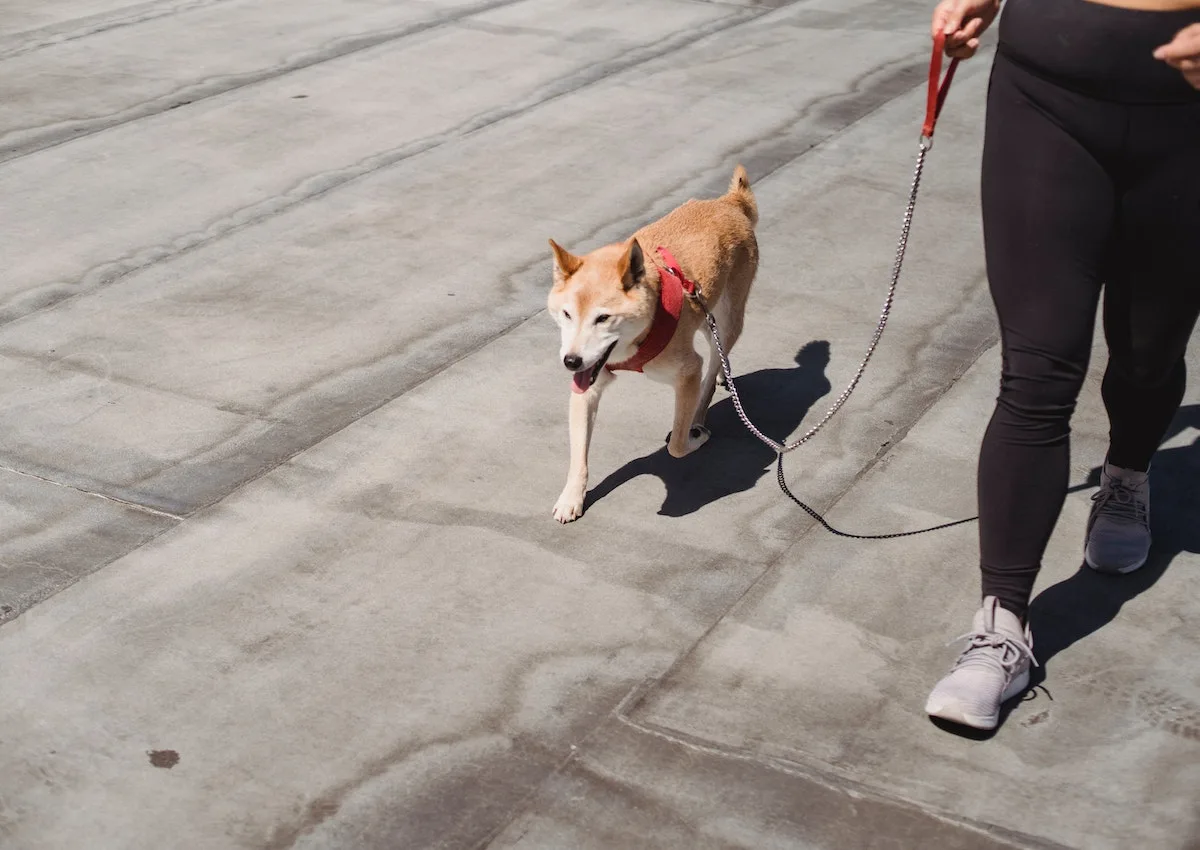
Some dogs love everyone they meet. These ones do not. They’re opinionated, picky about their company, and don’t hand out trust easily. Taking them to the dog park feels more like a gamble than a fun outing. But with the right owner, even the most standoffish breeds can learn to tolerate strangers and get along with other pets. Just don’t expect them to be the welcome committee.
Read it Here: 12 Breeds That Can Be Difficult Around Strangers and Other Pets
*Select images provided by Depositphotos.