


Few topics in the dog world spark as much moral posturing as adoption versus buying from a breeder. The “adopt, don’t shop” mantra has become a badge of virtue for many, and the pressure to follow it can be intense. People often frame adoption as the only ethical choice, but the reality is more complicated. While giving a dog a second chance is admirable, there are real challenges that can make adoption a poor fit for certain people and situations. Acknowledging those downsides doesn’t make you heartless, it just means you are looking at the decision with a clear and realistic perspective.

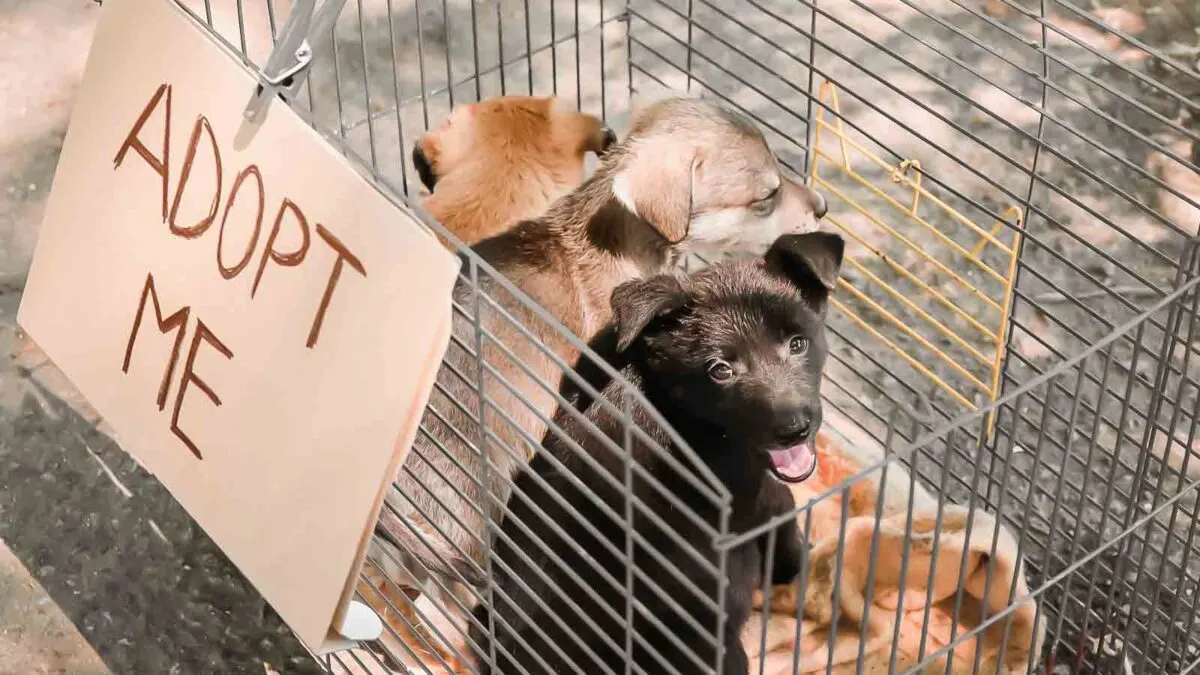
You Might Not Know Their Full Health or Behavior History


When you adopt, you’re sometimes stepping into the unknown. Shelter dogs often come with limited background information, which means you might not find out about certain health issues or quirks until you’re already months in. Maybe they’re perfectly healthy but nervous around strangers, or maybe they have an old injury that needs extra care. It’s not a deal breaker for everyone, but it can be a tough adjustment if you’re not ready for surprises.
It’s Hard to Find a Specific Breed


If you’ve got your heart set on a certain breed because of size, coat type, or personality, adoption can be tricky. Shelters usually have a mix of breeds, and finding the one that checks all your boxes might take a lot of searching. Some people are happy to meet different dogs and see who they click with, but if you need something very specific, you might leave disappointed more than once.
The Info You Get Isn’t Always Spot-On


Shelters do their best to match dogs with the right homes, but they can only share what they know. Sometimes that “lab mix” turns out to be something completely different, or the dog described as “good with kids” might still be figuring that out. It’s not anyone’s fault, but it can mean adjusting your expectations once you get your dog home.
They May Need More Time to Adjust


A lot of shelter dogs have been through moves, neglect, or even abuse, and that can make the transition into a new home a little rocky. You might be looking at weeks or even months before they feel safe and start acting like themselves. With patience and consistency, most dogs settle in, but if you’re hoping for an instant fit, this can feel discouraging.
Not All Are Ready for Homes with Kids


If you’ve got young children, you have to think about whether the dog’s temperament will work with all the noise and activity. Some dogs aren’t used to quick movements or high energy, especially if they’ve had bad experiences in the past. That doesn’t mean shelter dogs can’t be great family pets, but finding the right match might take more time.
Finding Puppies Can Be Tough


If you’ve got your heart set on raising a dog from puppyhood, adoption isn’t always the easiest route. Shelters get puppies, but they tend to be adopted almost instantly. And when puppies do end up in shelters, they might have missed important early socialization, which can lead to more training work down the road.
Breed Restrictions Can Get in the Way


Some areas have rules about certain breeds, and a lot of shelters have dogs that fall under those restrictions. Adopting a breed that’s not allowed in your town or apartment complex can cause major headaches, from housing problems to insurance issues. It’s something you have to research before you bring a dog home.
You Probably Won’t Know Their Genetics


Without papers or a breeder’s history, you’re guessing when it comes to a dog’s genetic background. That can make it harder to prepare for health problems that tend to run in certain breeds. While mixed breeds can be hardy, it’s still possible for surprises to pop up later that require extra care or vet visits.
Less Built-In Support After Adoption


Breeders often give new owners advice, health guarantees, and training tips. With adoption, you might get a packet of information and that’s it. If you’re new to dogs, this can feel like you’re figuring it out alone, especially if your pup has quirks or needs you don’t know how to handle.
It Doesn’t Stop Unethical Breeding


Adoption helps individual dogs, but it doesn’t necessarily address the bigger issue of bad breeding practices. Some people choose to work with responsible breeders instead, supporting those who put the health and well-being of their dogs first. It’s a personal decision, but it’s worth thinking about the bigger picture.
10 Reasons Why You Should Think Twice Before Getting A Purebred


Thinking about getting a purebred dog? It’s an exciting decision, but there are some important things to consider first. While many purebred dogs and breeders are wonderful, there are some potential downsides you should be aware of before making your choice. From health issues to high maintenance needs, here are some reasons why you might want to think twice before going the purebred route. Remember, not all purebred dogs or breeders are problematic, but it’s essential to be informed to make the best decision for you and your future furry friend.
Read it Here: 10 Reasons Why You Should Think Twice Before Getting A Purebred
10 Things To Know Before Adopting A Rescue Dog


Thinking about adopting a rescue dog? It’s a wonderful and rewarding experience, but there are a few things you should know before bringing your new friend home. Rescue dogs can come with unique challenges and needs, so being prepared is key to making the transition smooth for both of you.
Read it Here: 10 Things To Know Before Adopting A Rescue Dog
*Select images provided by Depositphotos.