


Some dogs love everyone they meet. These ones do not. They’re opinionated, picky about their company, and don’t hand out trust easily. Taking them to the dog park feels more like a gamble than a fun outing. But with the right owner, even the most standoffish breeds can learn to tolerate strangers and get along with other pets. Just don’t expect them to be the welcome committee.


Chow Chow


Chow Chows often come off as detached and uninterested in making friends. They tend to bond closely with their people but remain wary of anyone outside their immediate circle. Without early socialization, they may grow into adults who react defensively around new dogs or unfamiliar visitors. Their independence and strong guarding instincts require owners who are patient and consistent.
Akita


Akitas are bold, confident, and naturally suspicious of strangers. Their strong guarding instincts and dominant personalities make them difficult to socialize, especially with other dogs. Without steady guidance from an experienced handler, they can develop reactive or aggressive behaviors. They need structure and calm leadership from the very beginning.
Shiba Inu

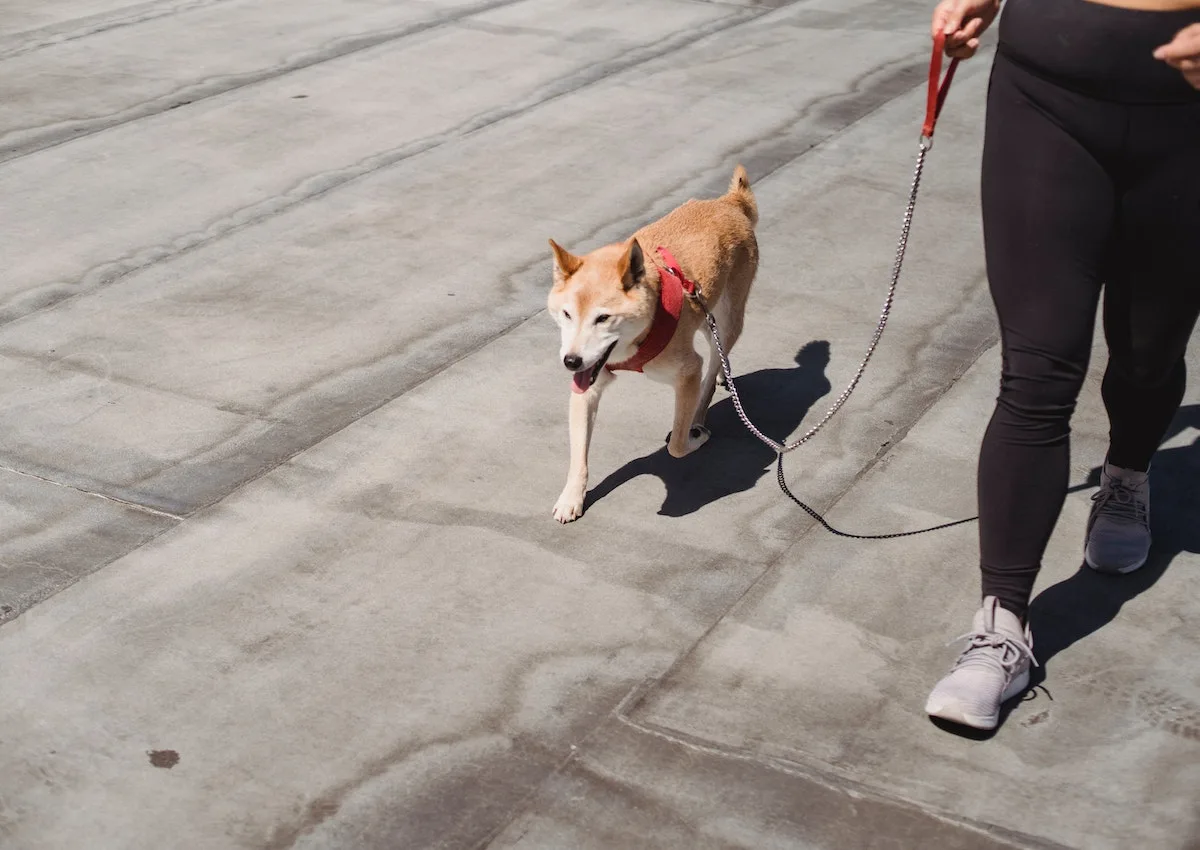
Shiba Inus are known for their aloof attitude and strong-willed behavior. They do not seek out social interaction and may ignore or reject attention from other animals or unfamiliar people. Their independent mindset makes socialization a challenge, especially if not started early. Consistency and patience are key to helping them tolerate new situations.
Basenji


Basenjis have a reputation for acting more like cats than dogs. They prefer quiet observation over interaction and can appear standoffish with strangers and unfamiliar dogs. Their intelligence makes them trainable, but only if they respect the person giving the commands. Socializing a Basenji takes time and creativity, especially in unfamiliar settings.
Jack Russell Terrier


Jack Russells bring a high level of energy and intensity to every situation. Their strong prey drive and confident personality can make them overwhelming for other dogs, especially in off-leash settings. They often act before thinking and are quick to challenge others. To help them behave around people and pets, they need constant structure and plenty of exercise.
Afghan Hound


Afghan Hounds are elegant and aloof, often keeping their distance from both people and animals they don’t know. They don’t respond well to forced interaction and may seem uninterested in socializing altogether. Earning their trust requires patience, and helping them feel comfortable around others takes steady, calm exposure over time.
Shar Pei


Shar Peis often take a long time to warm up to anyone outside their household. They tend to be protective and suspicious by nature, especially around other dogs. If they don’t receive early and regular socialization, their distrust can turn into aggression. They benefit from slow, controlled introductions and clear, confident leadership.
Caucasian Shepherd Dog


Caucasian Shepherds were bred to protect livestock, and they still carry those strong protective instincts today. They are naturally wary of strangers and often unaccepting of other animals. Their size and strength only add to the challenge. These dogs require early training and lifelong management to ensure they remain safe and under control in social situations.
Weimaraner
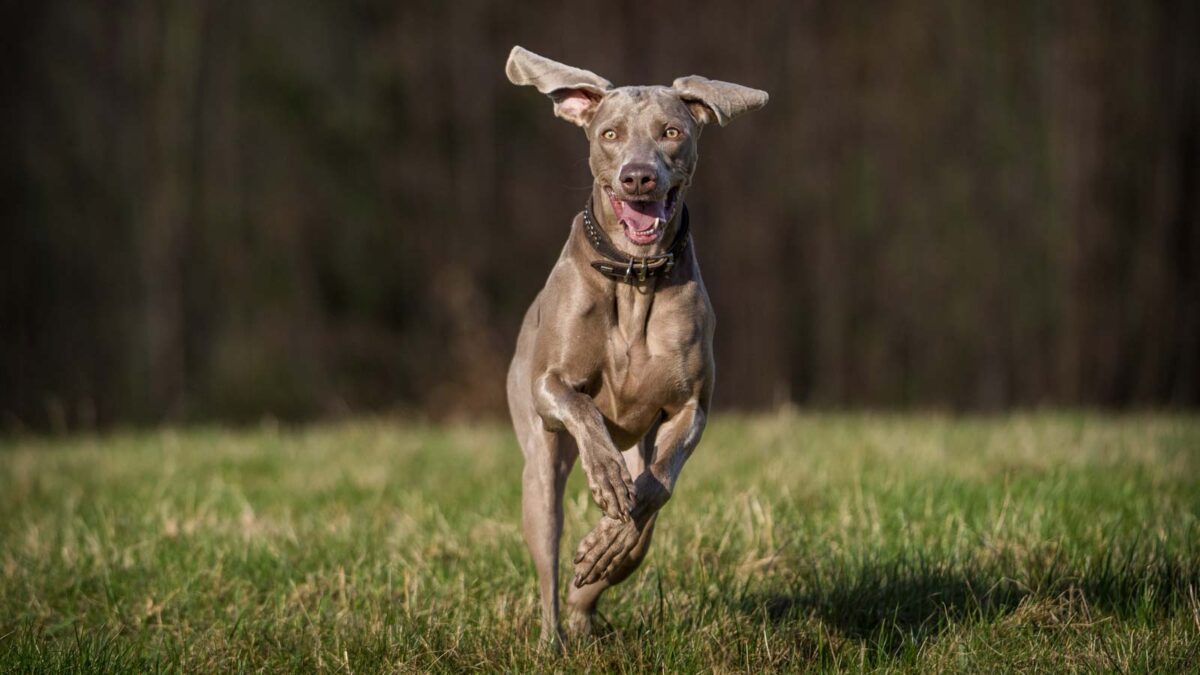
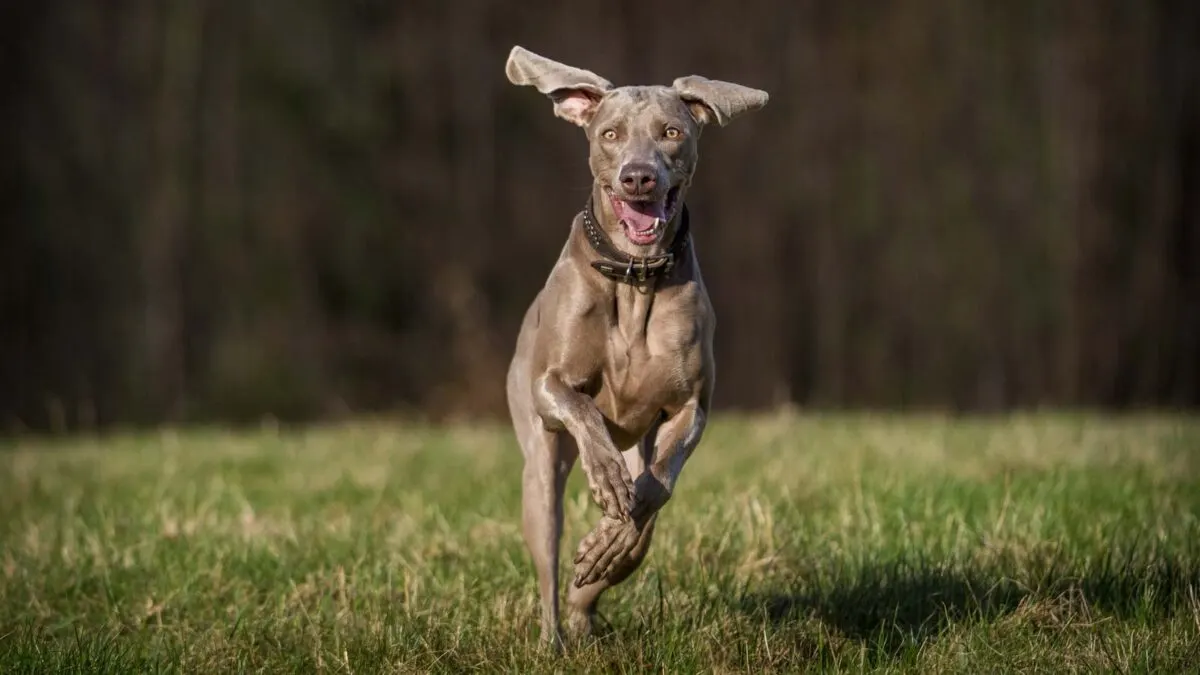
Weimaraners are deeply attached to their owners and often don’t trust new people easily. Their possessive nature can create tension when other animals or strangers are nearby. They also tend to have a strong prey drive, which makes encounters with smaller pets more complicated. Socializing a Weimaraner takes time, repetition, and a calm, confident approach.
Australian Cattle Dog


Australian Cattle Dogs are quick thinkers with strong opinions. Their herding instincts can lead to pushy or nippy behavior, especially when other animals don’t follow their lead. They are often cautious around strangers and may become reactive if they feel overwhelmed. To help them succeed in social settings, they need consistent training and controlled exposure to new environments.
Tibetan Mastiff


Tibetan Mastiffs are naturally territorial and deeply suspicious of outsiders. They do not make quick friends and will often ignore or challenge new dogs. Bred to guard livestock in remote areas, they carry a strong instinct to defend their home. Helping them behave in social situations requires firm, calm leadership and plenty of exposure to new people and settings from a young age.
Dogo Argentino


Dogos are powerful, confident, and driven by a strong prey instinct. While they can be affectionate with their families, they often react cautiously or aggressively toward unfamiliar dogs and people. Without structured training and early socialization, they may see other animals as competition or threats. Owners need to take an active, ongoing role in helping them become balanced companions.
10 Dog Breeds That Are Perfect for Introverts

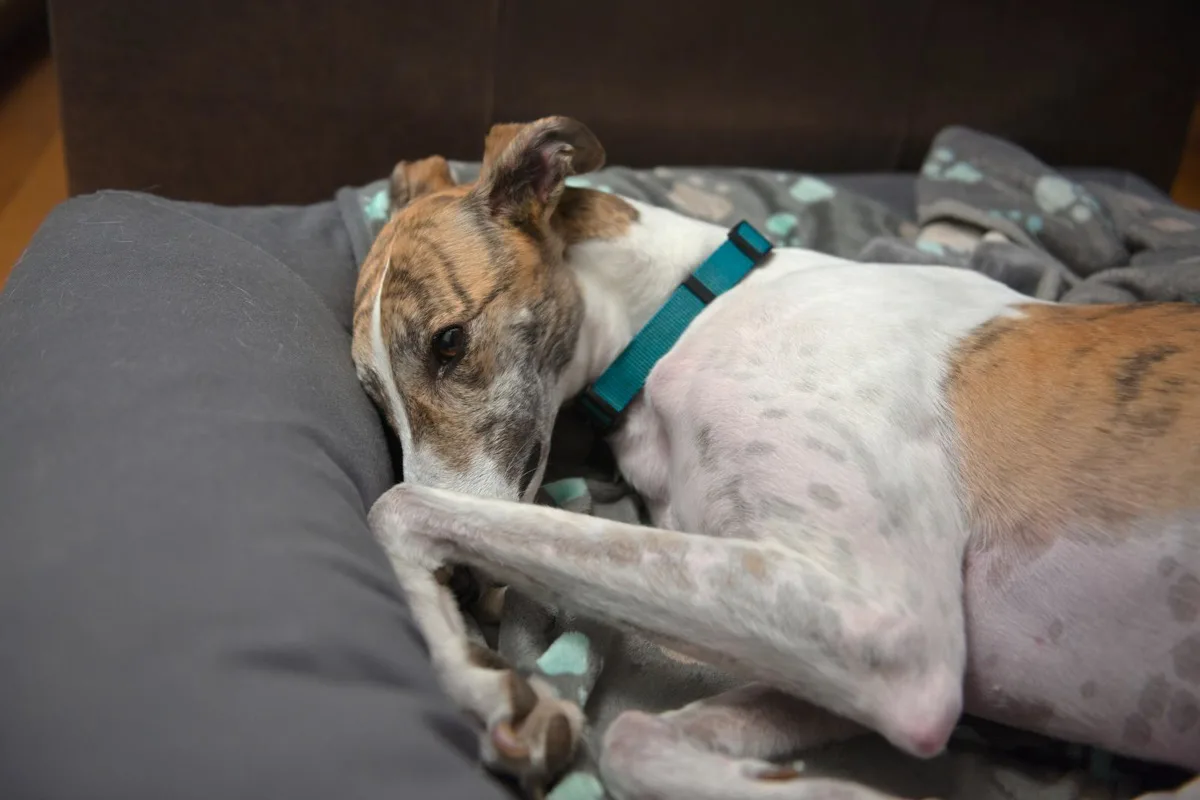
Finding the right dog breed can make all the difference, especially for introverts who cherish their quiet time. Some dogs are just naturally better suited for a low-key, relaxed lifestyle. If you’re looking for a furry friend who loves to chill as much as you do, check out these dog breeds that are perfect for introverts.
Read it Here: 10 Dog Breeds That Are Perfect for Introverts
10 Dog Breeds That Love to Be Social and Make Friends Easily


Some dogs are just natural-born socialites. They’re the ones making friends with everyone they meet—humans, dogs, you name it. These pups thrive on interaction and love being the center of attention. If you’re looking for a dog that brings the fun and charm wherever they go, these breeds are all about making new connections and never miss a chance to be part of the action.
Read it Here: 10 Dog Breeds That Love to Be Social and Make Friends Easily