


Some dogs need more than love and playtime. They need structure, firm boundaries, and an owner who knows how to lead. Without that, certain breeds can become reactive, territorial, or flat-out aggressive. These dogs aren’t bad, but they require more than the average pet parent might expect. If you’re thinking about one of these breeds, understanding their temperament is the first step toward responsible ownership.

Chihuahua


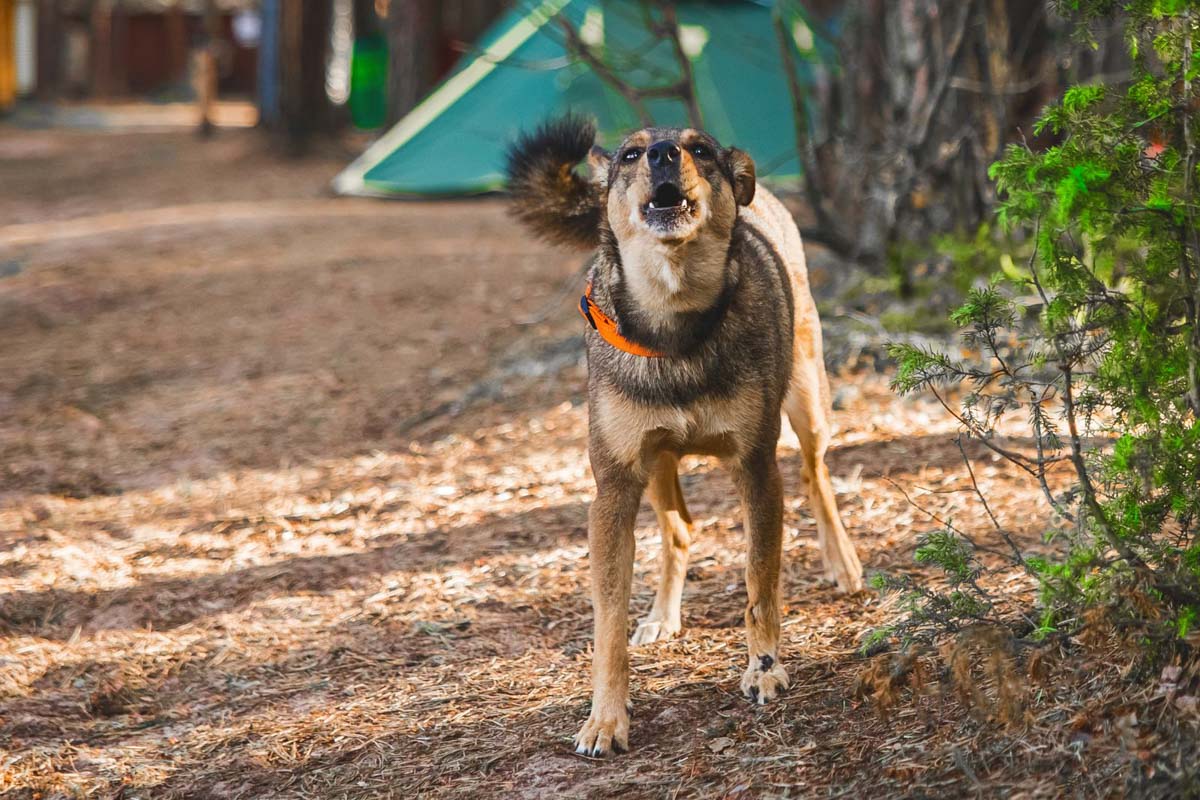
Chihuahuas may be small, but their attitude fills the room. Without clear boundaries and consistent training, they can develop defensive and reactive behavior. Their tendency to bark, snap, and guard their space makes them more challenging than most people expect. First-time owners often underestimate how much structure these dogs actually need.
Dachshund


Dachshunds were bred to chase and confront burrow-dwelling animals, which gives them a boldness that sometimes turns into aggression. They can be territorial and quick to challenge strangers or other pets if not properly socialized. Their small size makes them easy to manage physically, but their stubborn streak makes training a real commitment.
Jack Russell Terrier


Jack Russells are energetic and fearless to a fault. They often act before they think and will not back down from confrontation, even with larger dogs. Without regular exercise, mental stimulation, and strong leadership, their high energy can boil over into destructive or aggressive behavior. This is not a breed that thrives on autopilot.
Rottweiler

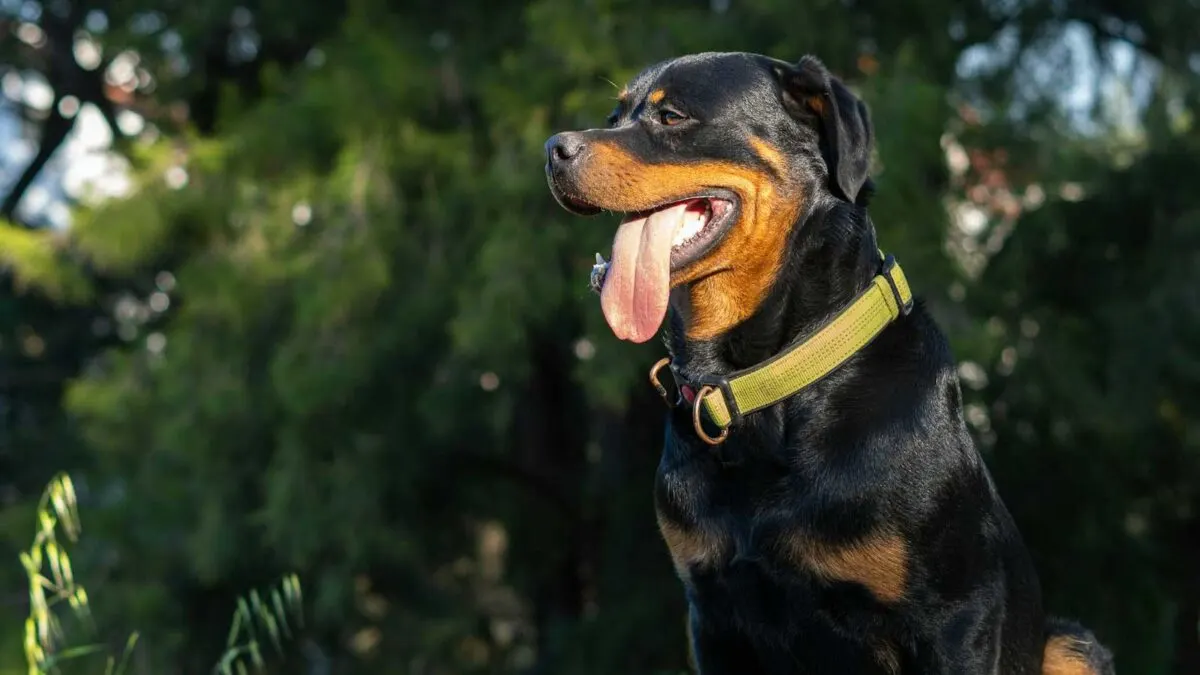
Rottweilers are intelligent, confident, and intensely loyal. In the wrong hands, that loyalty can turn into excessive guarding and territorial behavior. These dogs need structure, purpose, and owners who understand how to guide their instincts. When trained well, they are steady and reliable. When left unchecked, they can be dangerously unpredictable.
Doberman Pinscher


Dobermans were developed to guard, and they take that job seriously. They’re alert, fast to react, and don’t take kindly to strangers unless properly socialized from a young age. Their physical power combined with strong protective instincts means they need an owner who is both consistent and experienced. Without that, they can quickly become difficult to manage.
Chow Chow


Chow Chows often act like they’re above the rules. They tend to bond with one or two people and remain indifferent or even suspicious toward everyone else. If they aren’t trained early or exposed to a variety of people and environments, they may respond with aggression when they feel cornered or disrespected. Their independent nature requires patient and thoughtful handling.
Akita


Akitas are dignified, reserved, and extremely strong-willed. They don’t seek out affection from strangers and have a natural instinct to guard their territory. If not properly managed, this can turn into dominant or aggressive behavior toward unfamiliar people or animals. Owners need to be firm, consistent, and fully committed to training and socialization from day one.
American Pit Bull Terrier


Pit Bulls are often misunderstood, but the truth is they require serious commitment. They are powerful, energetic, and emotionally intense. With poor training or neglect, their strength and drive can become dangerous. In the hands of a responsible owner who sets clear expectations and provides socialization, they can be stable and affectionate companions.
Bullmastiff


Bullmastiffs have natural guarding instincts and do not respond well to chaos or unclear leadership. They are calm and quiet by nature, but if they sense a threat or feel unsure, they can react with force. These dogs need someone who understands how to establish trust, provide structure, and control a strong, confident breed from the start.
Cane Corso

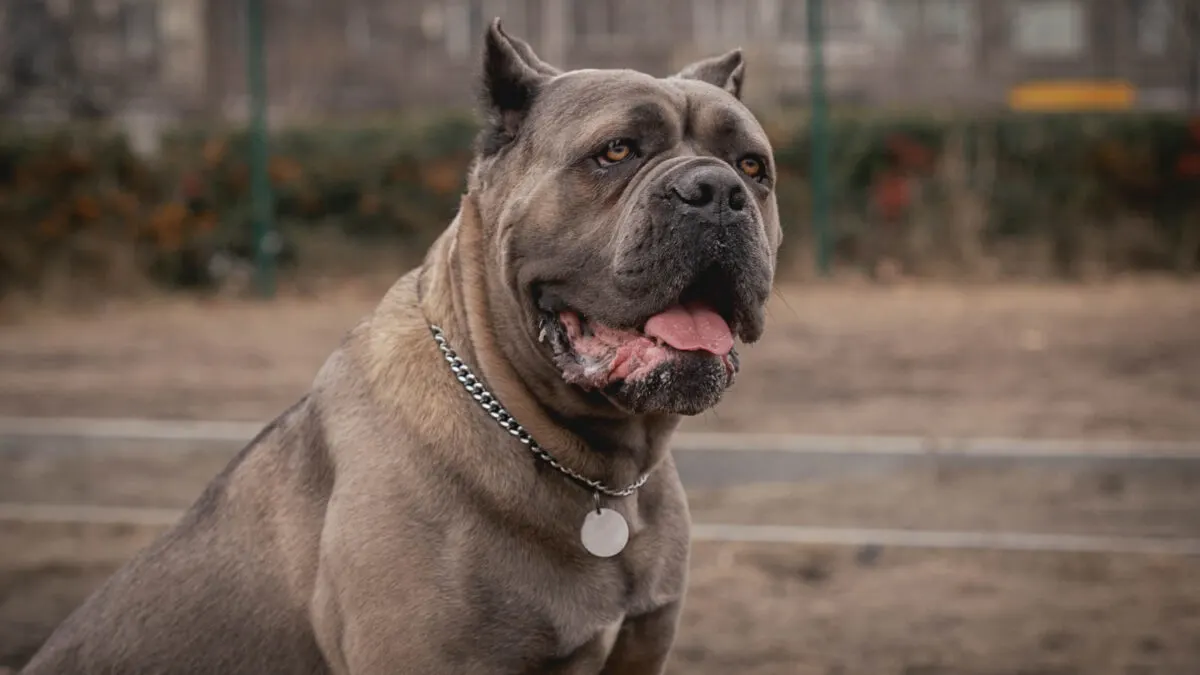
Cane Corsos are large, powerful dogs that take their role as protectors seriously. Without early training, they can become overly dominant and territorial. Their strength alone makes proper handling essential. They thrive with owners who are confident, knowledgeable, and ready to provide constant guidance, not just occasional correction.
Dogo Argentino


Dogos were bred for hunting large game, and they still carry the intensity and fearlessness that job requires. They can be friendly with people they know, but they need firm boundaries and constant supervision around unfamiliar dogs or animals. Inexperienced owners often underestimate how much discipline and leadership these dogs demand.
Weimaraner


Weimaraners are intelligent and full of energy, but they don’t tolerate boredom well. If they’re not given enough mental and physical stimulation, they can become anxious, destructive, and even aggressive. They need an owner who can provide structure and challenge them daily. Without that, they tend to take control in ways that are difficult to reverse.
The 11 Friendliest Dog Breeds To Steal Your Heart
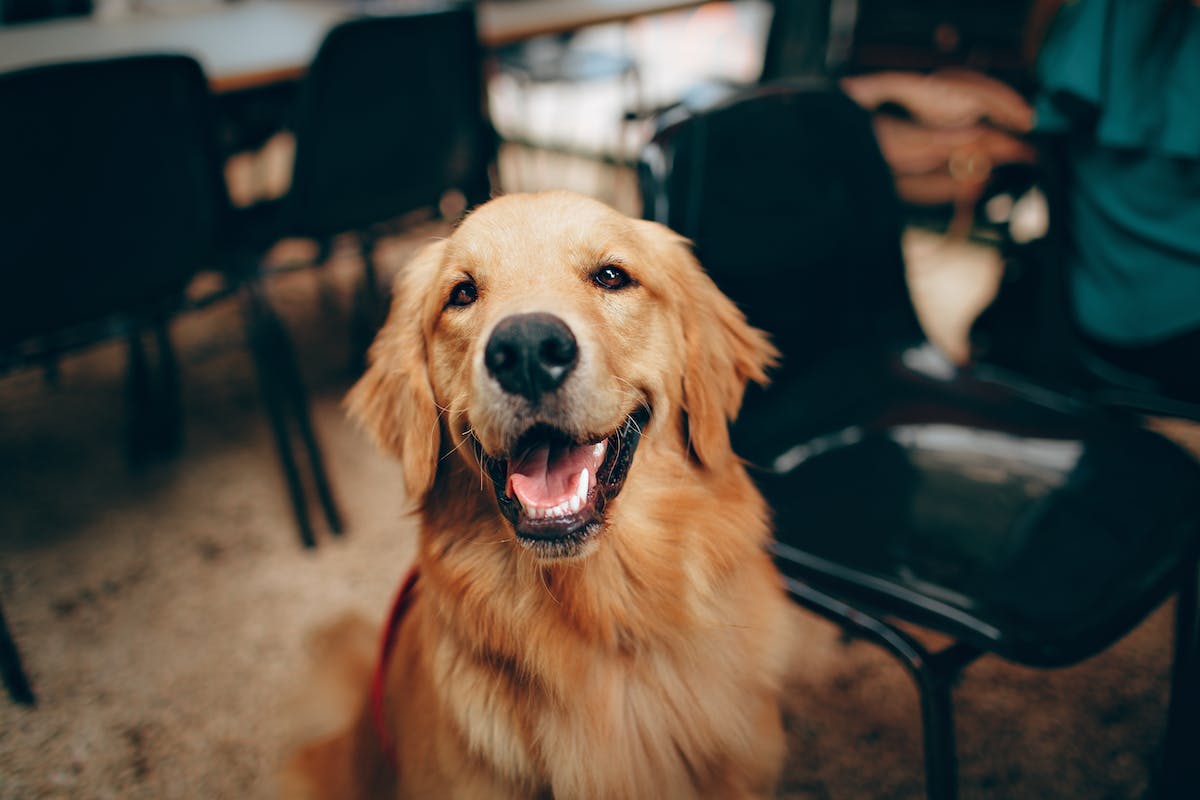
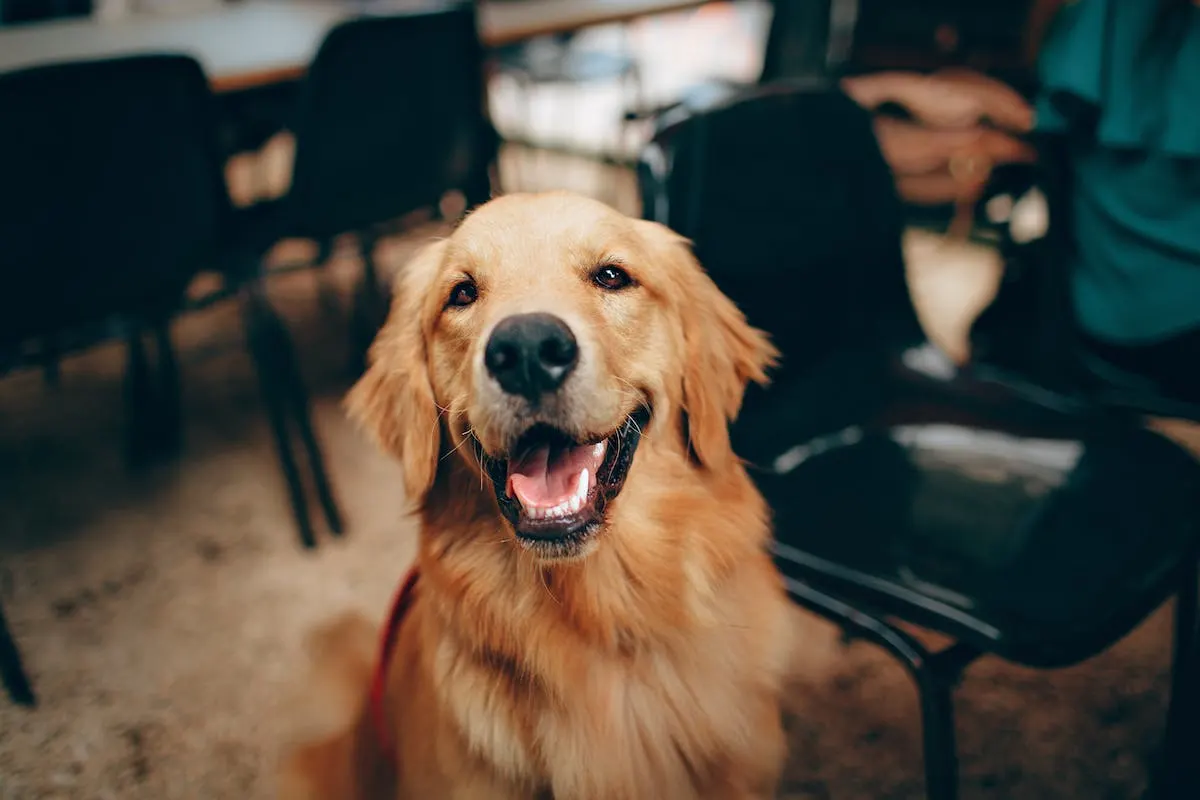
They’re called man’s best friend, but some dog breeds are friendlier than others. Find your next furry companion on this list of the 11 friendliest dog breeds who are playful, loyal, and ready to fill your heart with joy.
Read it Here: The 11 Friendliest Dog Breeds To Steal Your Heart
10 Dogs With Protective Instincts You Never Expected


When you think of protective dogs, you probably picture big, tough breeds like German Shepherds or Rottweilers, right? Well, some of the most surprising protectors are the little ones you’d least expect. These dogs may look cute and cuddly, but they’ve got instincts that’ll make them bark at anything they see as a threat. Don’t be fooled by their size or fluffy coats—these pups take guarding their humans seriously.
Read it Here: 10 Dogs With Protective Instincts You Never Expected
*Select images provided by Depositphotos.