


Some dogs come with more than people bargain for. The cute face and cool reputation wear off fast when the reality includes nonstop energy, constant training, or total destruction. A lot of these breeds look great on social media but don’t translate well to everyday life. They need structure, time, and experience most people aren’t ready to give.


Siberian Husky
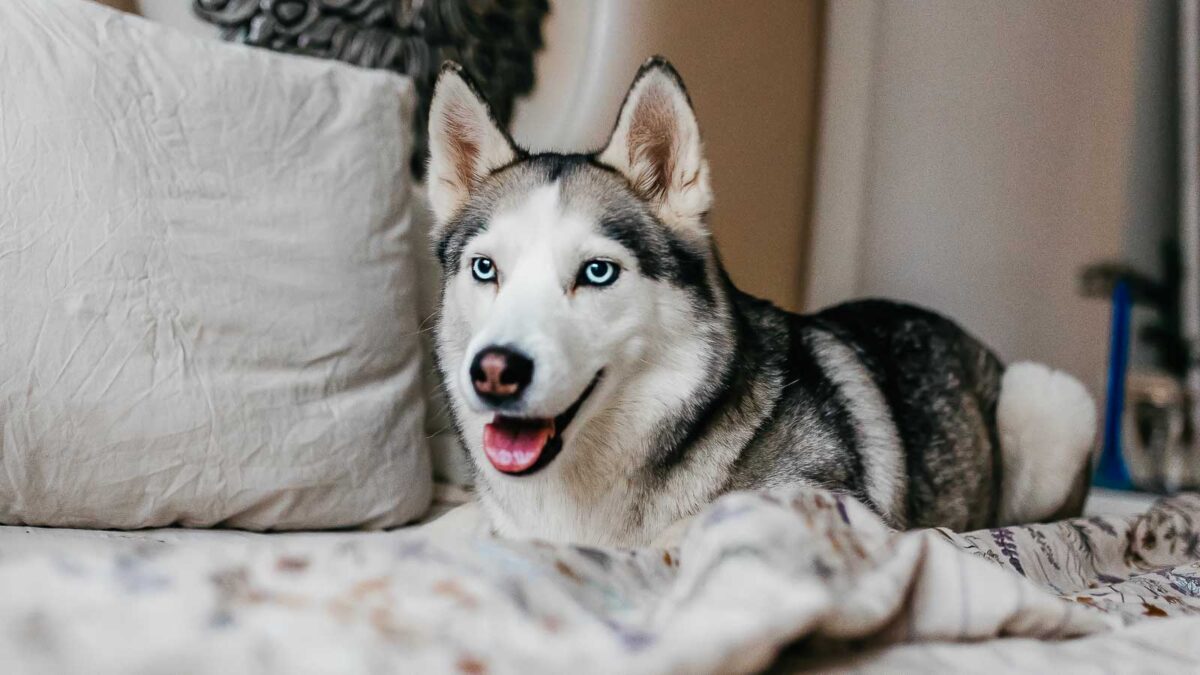

Huskies are one of the most returned breeds for a reason. People are drawn to their wolf-like appearance and friendly demeanor but quickly realize these dogs are incredibly high-maintenance. Huskies need hours of intense physical exercise and mental stimulation every single day. They’re notorious escape artists, diggers, and howlers who can wreak havoc when left alone or under-stimulated. Without structure, they become a full-time problem.
Border Collie


Border Collies are brilliant working dogs, but intelligence comes with nonstop energy and the constant need to be mentally engaged. These dogs were bred to herd sheep all day, not sit on the couch. If not given a job to do—advanced training, sports, or challenging tasks—they invent their own activities, usually involving destruction. Many new owners are unprepared for the relentless drive and focus this breed brings into the home.
Dalmatian

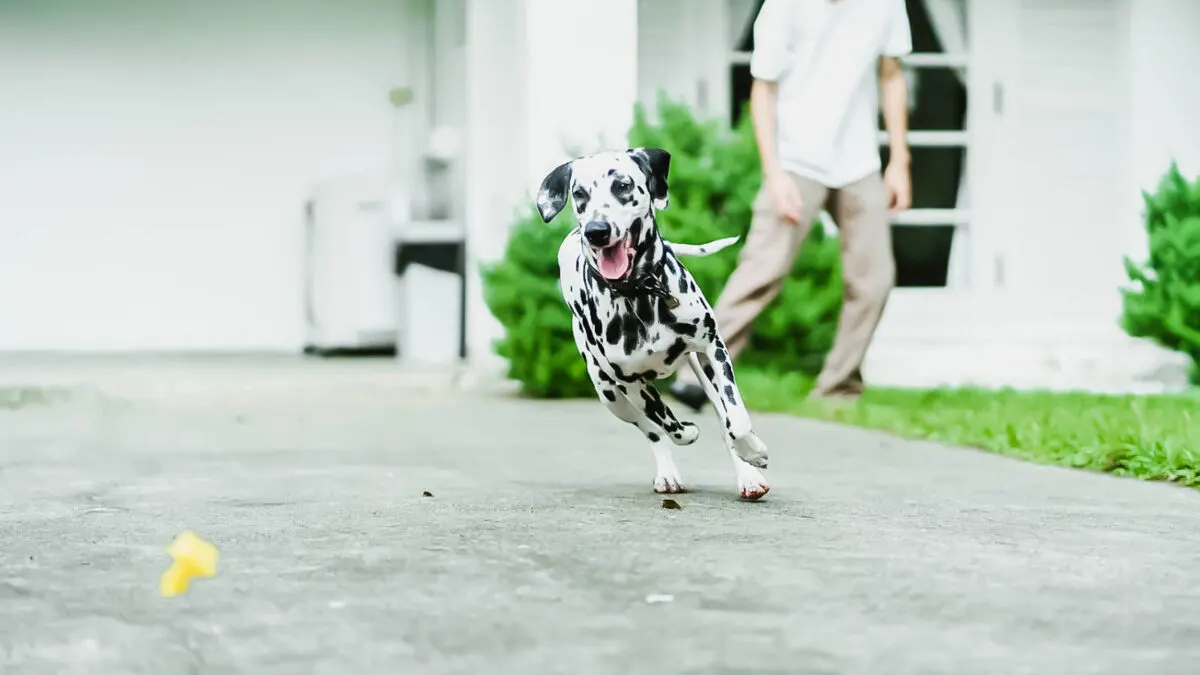
Dalmatians often get adopted for their iconic looks, but they’re one of the most misunderstood breeds. They’re extremely energetic, prone to nervousness, and need constant socialization and exercise to stay balanced. Without it, they can become reactive, territorial, and destructive. They also tend to form strong attachments to one person and don’t always do well in busy households, especially those with young kids or multiple pets.
Jack Russell Terrier


Jack Russells are small but incredibly demanding. They were bred for hunting and working underground, which means they’re built for speed, problem-solving, and nonstop action. These dogs are fearless, independent, and tireless. They often overwhelm owners who expect a low-maintenance companion due to their size. Without constant stimulation and strict training, they quickly become anxious, bark excessively, and destroy anything within reach.
Chow Chow


The Chow Chow’s teddy bear appearance hides a very serious, often difficult personality. Chows are naturally aloof, dominant, and don’t tolerate inconsistency or pushy handling. They’re not naturally social and often dislike strangers, other dogs, and being fussed over. Many owners adopt them expecting a cuddly pet, only to find themselves dealing with a stubborn, independent dog that resists training and shows little interest in affection.
Akita


Akitas are large, strong-willed dogs with a natural instinct to guard and protect. They bond strongly with one person but are known for being difficult to manage with other animals and unfamiliar people. Their dominant temperament and physical power require experienced handling and firm boundaries. Many people adopt them based on loyalty or appearance, then find themselves in over their head with a dog that challenges them every day.
Belgian Malinois


The Belgian Malinois is often confused with the German Shepherd but has a very different temperament. These dogs are bred for elite-level work, like police or military service, and they never stop moving. They require serious daily training, intense physical activity, and mental engagement. Without it, they can become anxious, destructive, and aggressive. They don’t want a couch—they want a job, and most homes can’t meet that demand.
Weimaraner
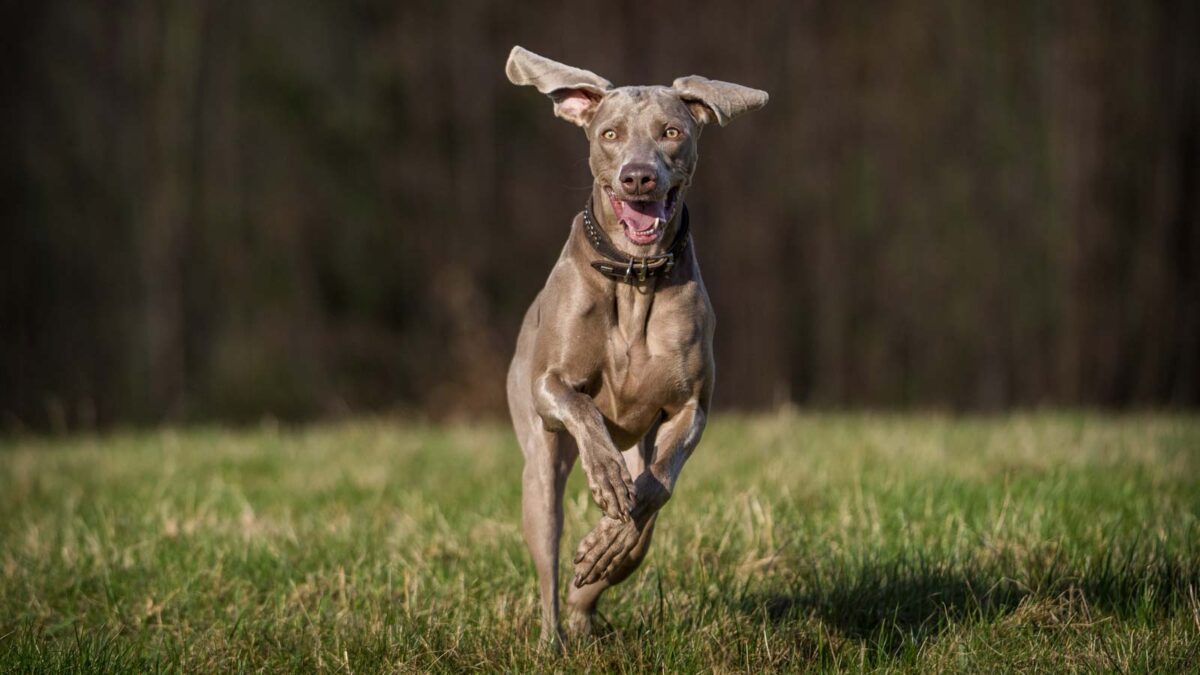
Weimaraners are affectionate and people-oriented, but they’re also extremely needy and high-energy. They don’t handle being left alone and often suffer from severe separation anxiety. They require long daily runs, focused training, and constant companionship. Many people adopt them for their striking appearance and sweet nature, only to realize they’re not a fit for anyone with a busy schedule or a low-energy lifestyle.
Cane Corso

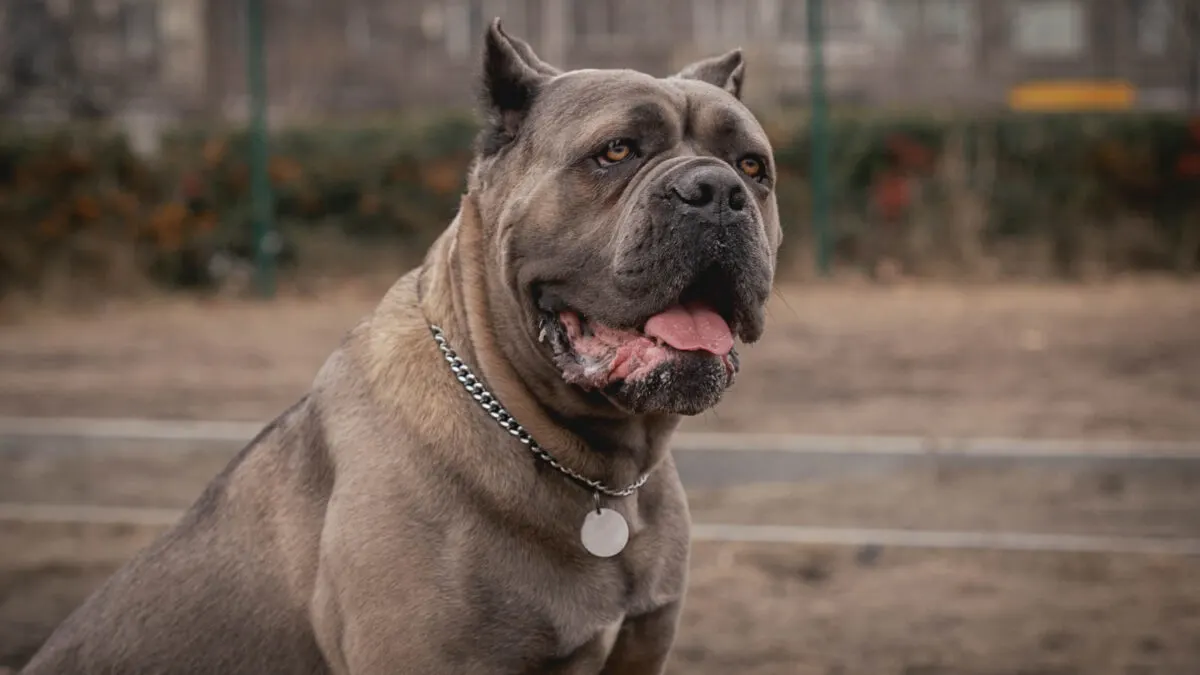
Cane Corsos are powerful, confident, and bred to guard. While they can be loyal and affectionate with their families, they’re not suitable for homes that lack structure or experience. They require constant training, early socialization, and an owner who can manage their strength and intensity. People often adopt them for their protective nature without fully understanding the amount of leadership this breed expects—and demands.
Australian Shepherd

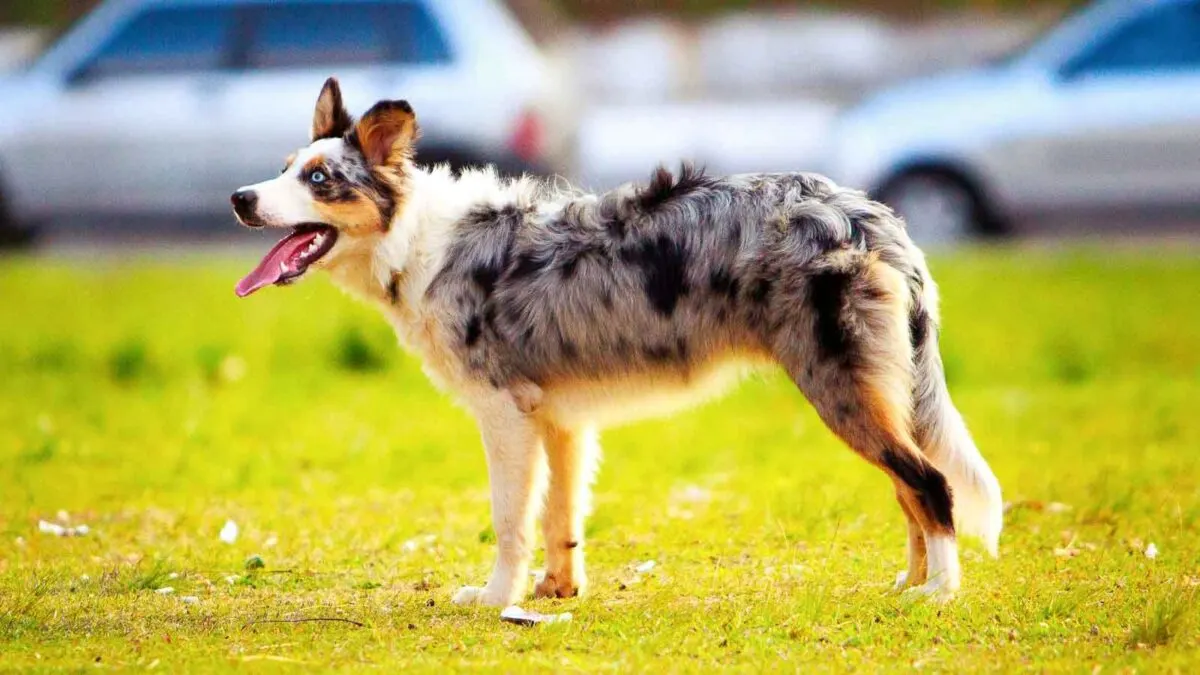
Australian Shepherds are beautiful and intelligent, but that combination comes with serious responsibility. They’re bred for herding and have endless energy, sharp instincts, and a need for control. In homes without jobs to do, they often turn to chasing children, obsessing over shadows, or developing anxious behaviors. Many owners expect a trainable, playful dog and end up with a neurotic, high-drive animal that’s always “on.”
Shiba Inu

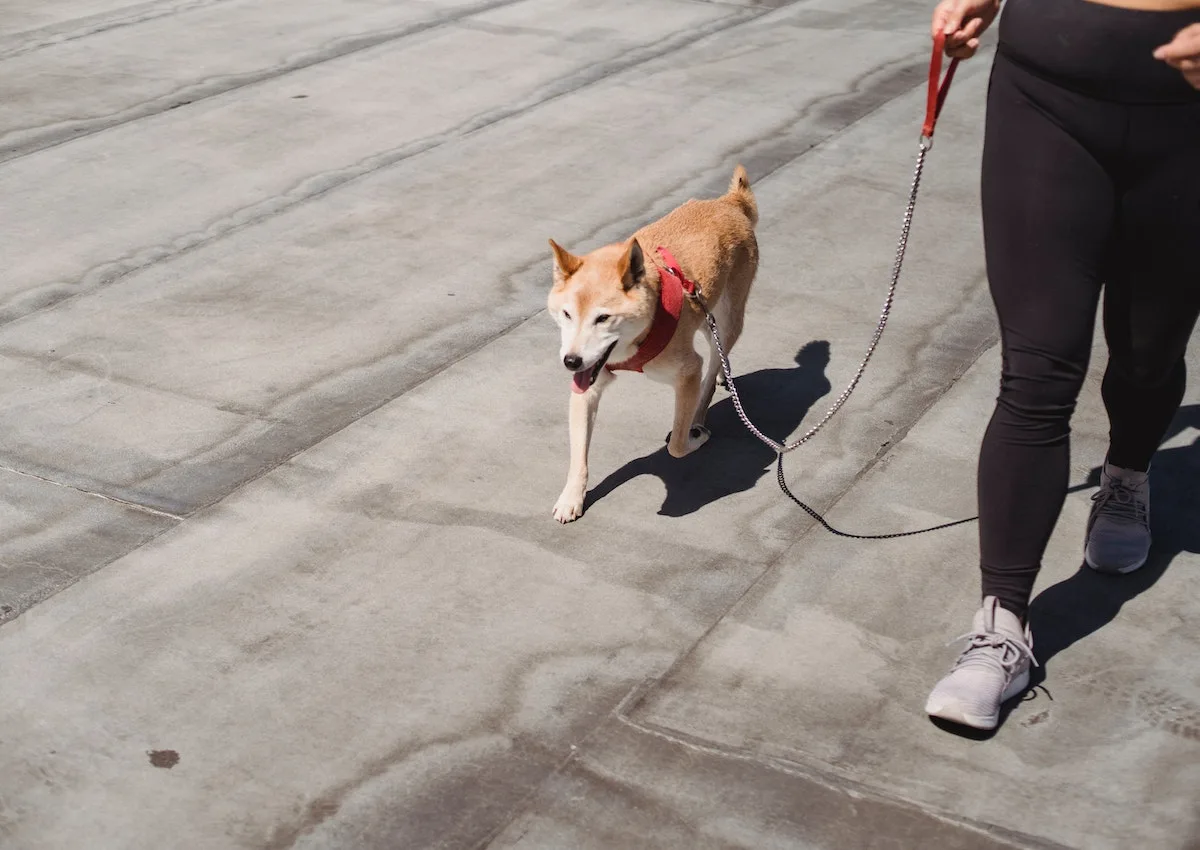
Shibas are charming, bold, and famously independent. They resist training, dislike being told what to do, and often ignore commands entirely. While they’re clean and quiet, they’re not affectionate in the traditional sense and often prefer doing their own thing. Many people adopt them expecting a low-key companion but end up frustrated by how hard it is to form a predictable bond or build a strong training foundation.
12 Popular Dog Breeds That Veterinarians Avoid Owning Themselves
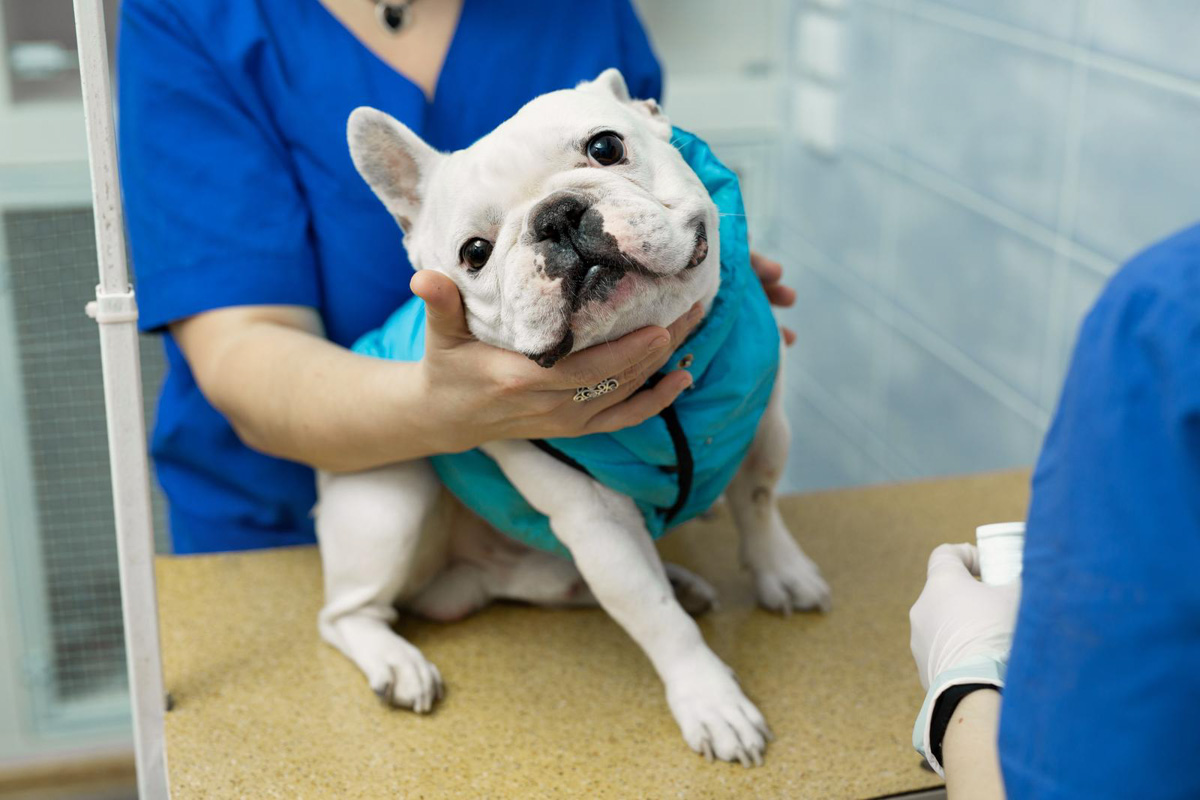
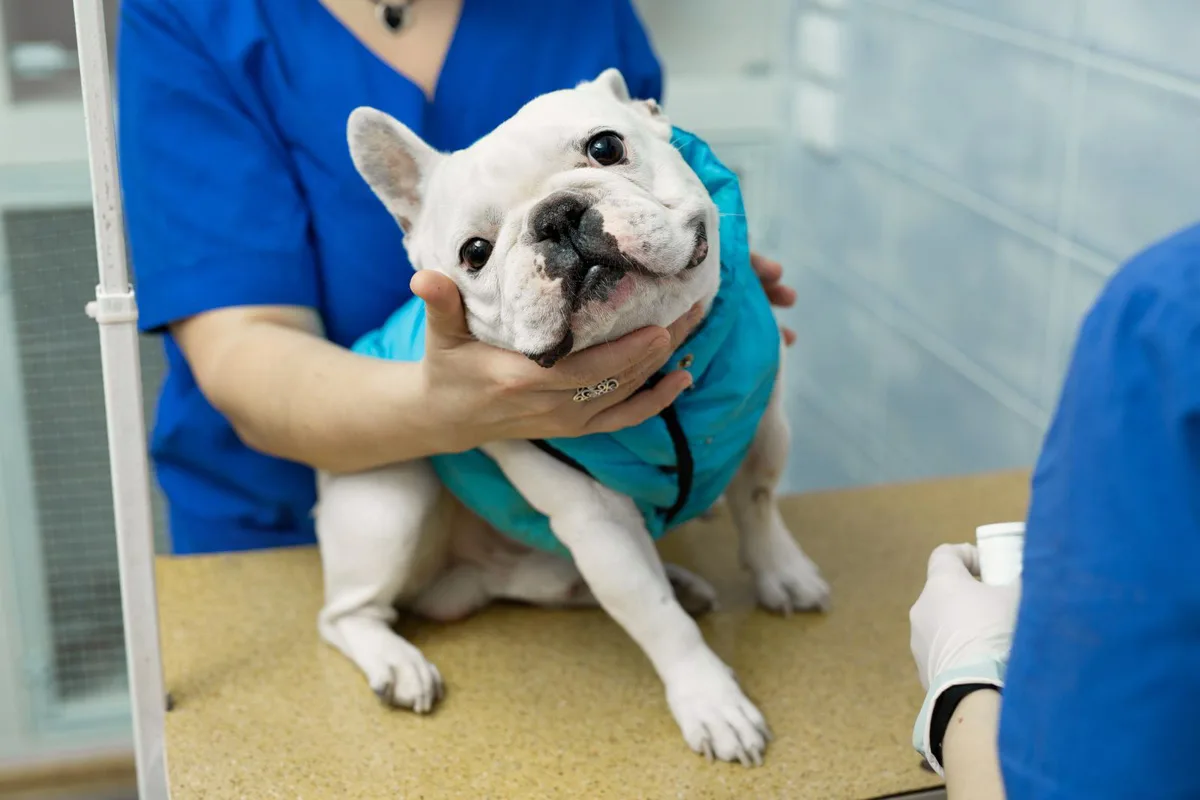
We all love our furry friends, but some dog breeds come with more baggage than others. Just ask any veterinarian! These popular breeds may be cute and lovable, but they can also be a handful when it comes to health issues. From endless ear infections to chronic hip problems, these dogs keep vets busier than they’d like and it’s for that reason that most vets avoid these breeds for their own pets.
Read it Here: 12 Popular Dog Breeds That Veterinarians Avoid Owning Themselves
10 Types of Dogs Least Likely To Get Adopted From Shelters


Some dogs sit in shelters longer than others, and it’s not because they lack great qualities. Breed stereotypes, size, or unfair assumptions often push potential adopters to choose other dogs first. Sadly, this leaves many incredible dogs overlooked and waiting far too long for a family. These aren’t flawed animals—they’re victims of bias and misinformation. The truth is, these so-called “undesirable” dogs can make some of the best companions when given the chance.
Read it Here: 10 Types of Dogs Least Likely To Get Adopted From Shelters