


A lot of dogs get returned not because they’re bad, but because people picked them without knowing what they were actually signing up for. The breed looked great online, sounded manageable in theory, or had a reputation that didn’t match reality. Then the barking, destruction, stubbornness, or health issues showed up. These are the dogs that need structure, experience, or more time than most people can give.


Alaskan Malamute


Malamutes are often adopted for their wolf-like beauty and friendly look, but most people aren’t ready for what they’re really like. They’re large, powerful, and highly independent. Without serious daily exercise, strong leadership, and a job to focus on, they become unmanageable fast. First-time owners are usually caught off guard by their strength, escape habits, and resistance to obedience. A lack of preparation almost always leads to regret.
Cocker Spaniel


The soft eyes and small size lead people to assume Cockers are calm, easy family dogs. What they don’t expect is a dog that can be anxious, prone to biting when startled, and extremely sensitive to loud or unpredictable environments. They also need regular, professional grooming and can develop behavioral issues without proper structure. Many adopters overlook these traits and return them when the dog becomes reactive or stressed.
English Bulldog
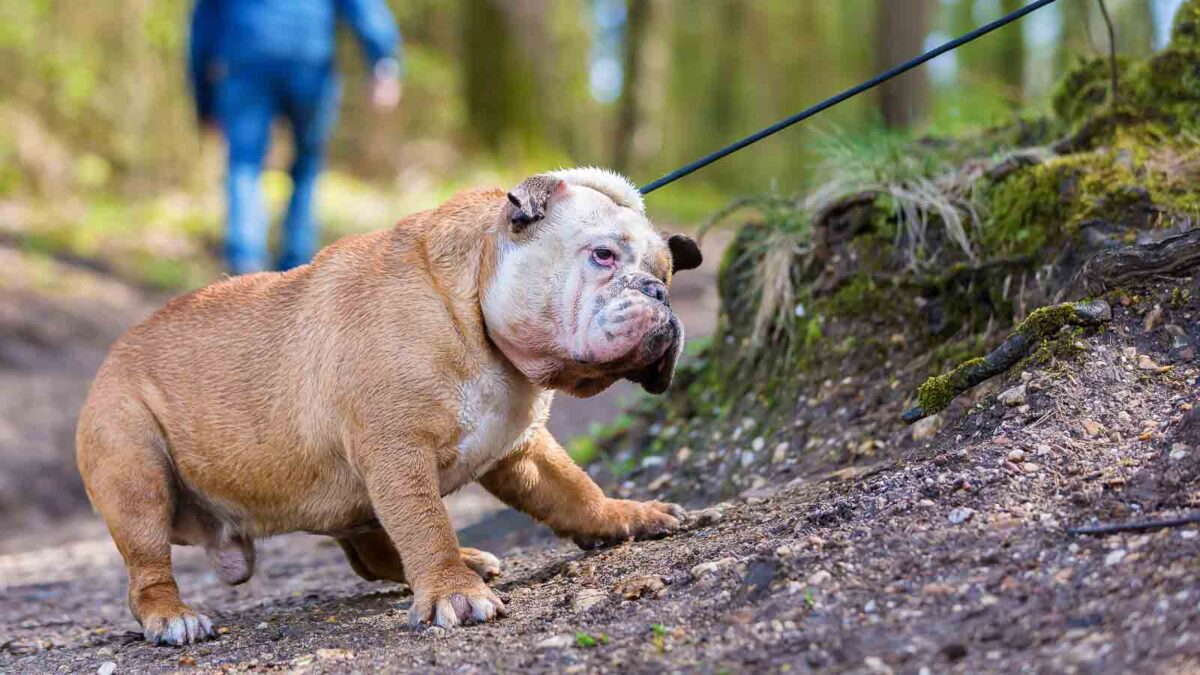

Bulldogs seem like the ultimate low-maintenance dog, but they are anything but. Between chronic breathing issues, skin infections, joint problems, and heat sensitivity, they require constant care and frequent vet visits. Their stubborn nature also makes training slow and frustrating. Many people adopt Bulldogs expecting a chill, easy pet, only to find themselves overwhelmed with medical bills and avoidable behavioral issues they didn’t research ahead of time.
Irish Setter


Their shiny coat and goofy energy win people over fast, but Irish Setters are not laid-back house pets. They have endless energy, a short attention span, and need serious daily activity to stay balanced. They get bored easily and become destructive without structured training and room to run. Owners expecting a relaxed companion often struggle with the breed’s intensity and return them when the chaos becomes too much.
Dogo Argentino


Dogos are strong, loyal, and impressive—but they are also powerful working dogs with serious guarding instincts. Many people adopt them based on appearance or reputation, without understanding the level of early socialization and control they require. They don’t do well with other dogs, they’re not apartment-friendly, and they need someone confident and experienced. Too often, they end up in shelters because owners didn’t anticipate how much responsibility comes with this breed.
Shar Pei


The wrinkles and calm demeanor make Shar Peis seem like quiet, easygoing pets. What people don’t realize is that they’re often territorial, standoffish with strangers, and slow to warm up. They can be very difficult to train, and without consistent leadership, their stubbornness quickly becomes a problem. On top of that, their skin folds require regular maintenance to avoid infections. Most owners aren’t prepared for the combination of medical upkeep and behavioral challenges.
Beagle


Beagles are often chosen for their manageable size and friendly face, but behind the cuteness is a stubborn, high-energy dog with a nose that overrides obedience. They were bred to follow scent trails and bark while doing it. Without enough activity and stimulation, they become loud, destructive, and impossible to call off a scent. Many adopters don’t expect the relentless curiosity and vocal nature, and they give up when training stalls.
Bullmastiff


Bullmastiffs look calm and stoic, but that doesn’t mean they’re easy. They’re large, protective, and strong-willed. Owners who don’t establish boundaries early often find themselves with a dog who guards too intensely or refuses to obey commands. They also drool, shed, and need space to stretch out. Without strong, consistent leadership, this breed becomes difficult to manage in everyday settings. People who chose them for their mellow vibe often miss the early training window and quickly feel outmatched.
Afghan Hound


Afghan Hounds are elegant and beautiful, which draws in a lot of impulsive adopters. But beneath the glamour is a highly independent, aloof dog that doesn’t live to please. They’re difficult to train, require constant grooming, and often lack recall outdoors. Their stubborn streak and tendency to ignore commands frustrate people who expect a cuddly or responsive pet. Once the novelty of their looks fades, the reality is often too much to handle.
Rhodesian Ridgeback


Ridgebacks are athletic, independent, and bred to hunt lions. That intensity still exists, and many people are not ready for it. They require firm boundaries, early training, and lots of physical exercise. Without that structure, they can become dominant, reactive, or flat-out unresponsive. They don’t tolerate being bossed around, and new owners often realize too late that this breed is not for casual or first-time handlers.
Chesapeake Bay Retriever
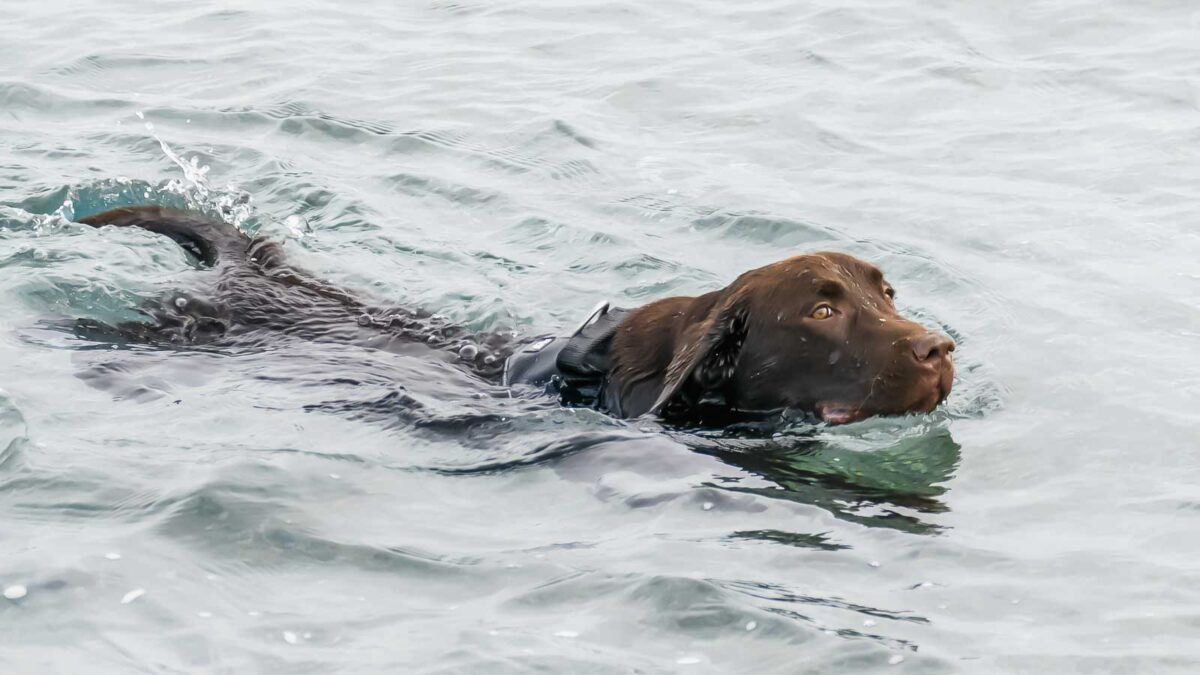

Chessies are often grouped with Labs and Goldens, but they have a much more intense, protective personality. They’re loyal and intelligent but also independent, strong-willed, and slow to trust strangers. Without early socialization and ongoing training, they can become territorial and difficult to control. People adopt them expecting a friendly, low-key retriever and end up with a challenge they didn’t sign up for.
Basenji


Basenjis are often labeled as “barkless,” which makes them seem like an easy, quiet choice. What people don’t expect is the high prey drive, endless curiosity, and complete lack of interest in following commands. They’re more like cats than dogs when it comes to independence. They can’t be trusted off-leash, they climb fences, and they’re incredibly hard to train. Many owners adopt them expecting calm silence and end up with an uncooperative escape artist.
Presa Canario


Presas are large, muscular, and deeply protective, but their strength and dominance make them incredibly difficult for most households. They need a confident, experienced handler who can commit to early training and socialization. People are often drawn in by the breed’s imposing look or loyalty without fully understanding the risk of poor handling. In the wrong hands, they become reactive, defensive, and dangerous, which is why so many end up back in shelters or with breed-specific rescues.
10 Types of Dogs Least Likely To Get Adopted From Shelters


Some dogs sit in shelters longer than others, and it’s not because they lack great qualities. Breed stereotypes, size, or unfair assumptions often push potential adopters to choose other dogs first. Sadly, this leaves many incredible dogs overlooked and waiting far too long for a family. These aren’t flawed animals—they’re victims of bias and misinformation. The truth is, these so-called “undesirable” dogs can make some of the best companions when given the chance.
Read it Here: 10 Types of Dogs Least Likely To Get Adopted From Shelters
10 Things To Know Before Adopting A Rescue Dog

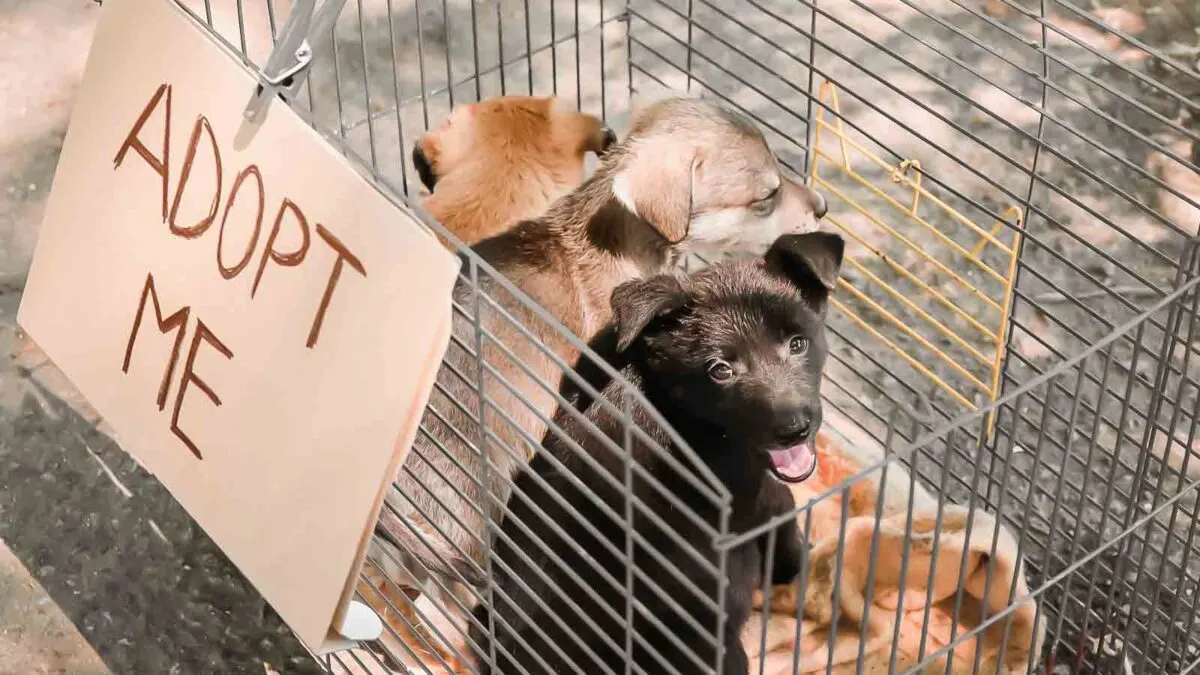
Thinking about adopting a rescue dog? It’s a wonderful and rewarding experience, but there are a few things you should know before bringing your new friend home. Rescue dogs can come with unique challenges and needs, so being prepared is key to making the transition smooth for both of you.
Read it Here: 10 Things To Know Before Adopting A Rescue Dog
*Select images provided by Depositphotos.