


We all love our furry friends, but some dog breeds come with more baggage than others. Just ask any veterinarian! These popular breeds may be cute and lovable, but they can also be a handful when it comes to health issues. From endless ear infections to chronic hip problems, these dogs keep vets busier than they’d like and it’s for that reason that most vets avoid these breeds for their own pets.
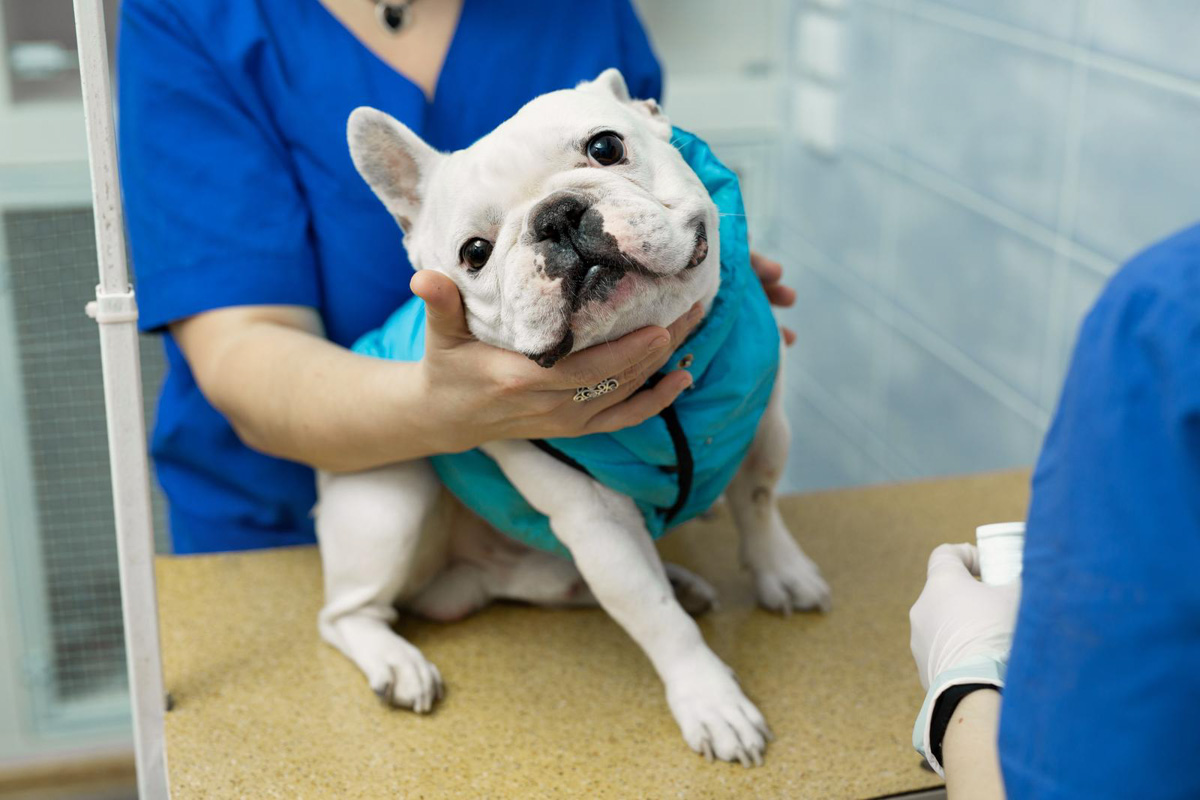
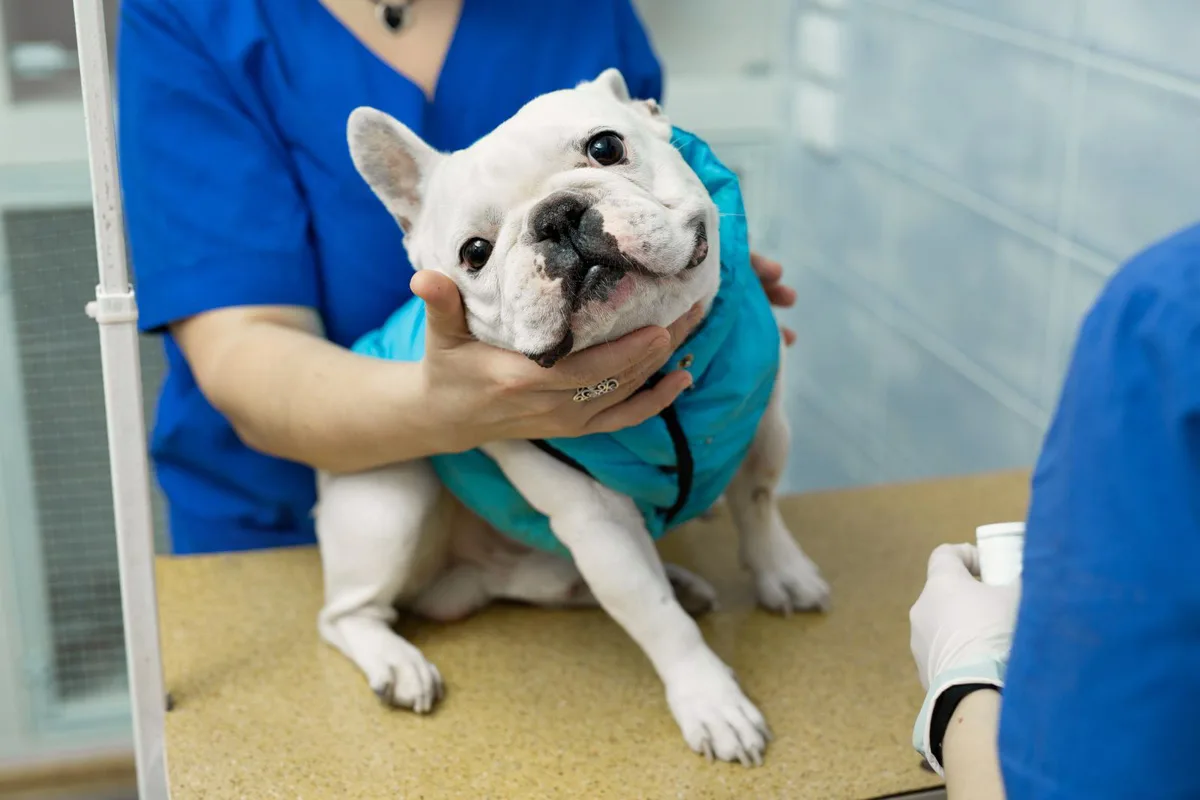
Bulldog


Bulldogs are adorable but come with a laundry list of health issues. Vets know these squishy faces mean endless skin folds, respiratory problems, and a life of vet visits. Their compact build also leads to overheating and joint issues, making them a regular at the vet clinic.
Chihuahua


These tiny pups have big personalities and even bigger dental problems. Vets cringe at the sight of those tiny, overcrowded teeth that need constant care. Chihuahuas are also prone to heart murmurs and patellar luxation, keeping vets on their toes.
German Shepherd


While intelligent and loyal, German Shepherds are prone to hip dysplasia and other joint issues. Vets often see them limping in for yet another checkup. They are also susceptible to degenerative myelopathy, a spinal cord disease that can be heartbreaking to manage.
Dachshund


Their long bodies and short legs are cute but lead to serious back problems. Vets know that one wrong jump can mean a world of spinal issues. Intervertebral disc disease (IVDD) is a common concern, and surgery can be costly and complicated.
Pug

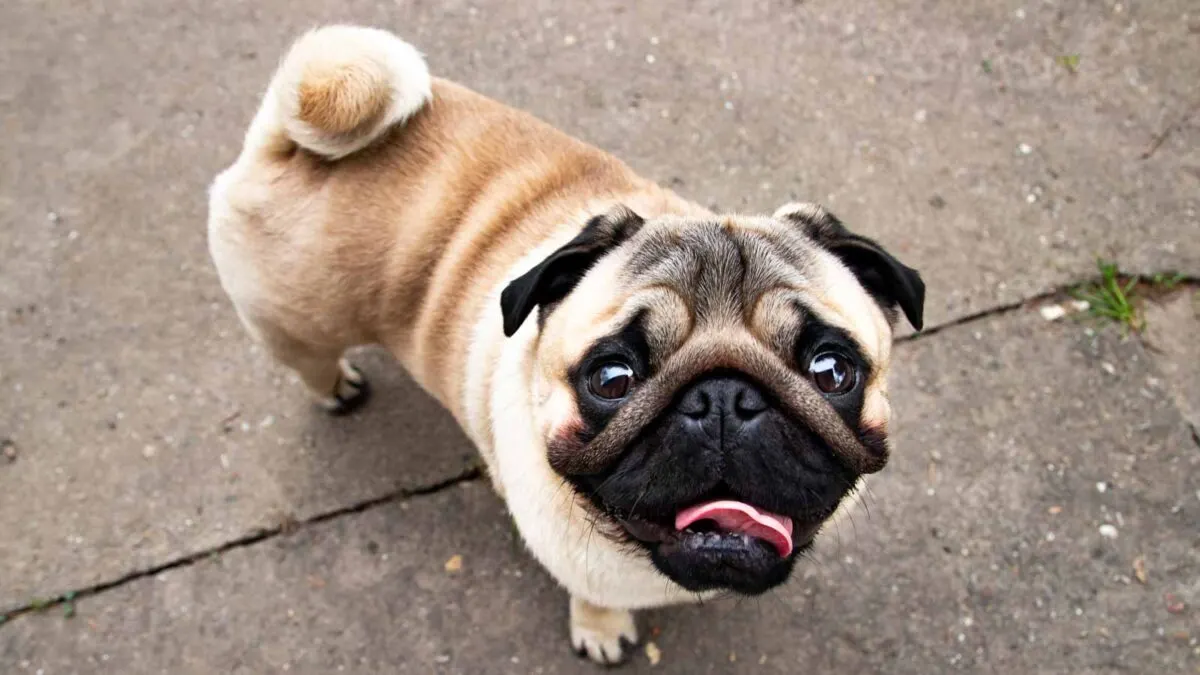
Pugs are charming with their smooshed faces, but those adorable snorts often signal breathing problems. Vets brace themselves for the inevitable airway issues, such as brachycephalic obstructive airway syndrome (BOAS). Their bulging eyes also make them prone to eye injuries and infections.
Rottweiler

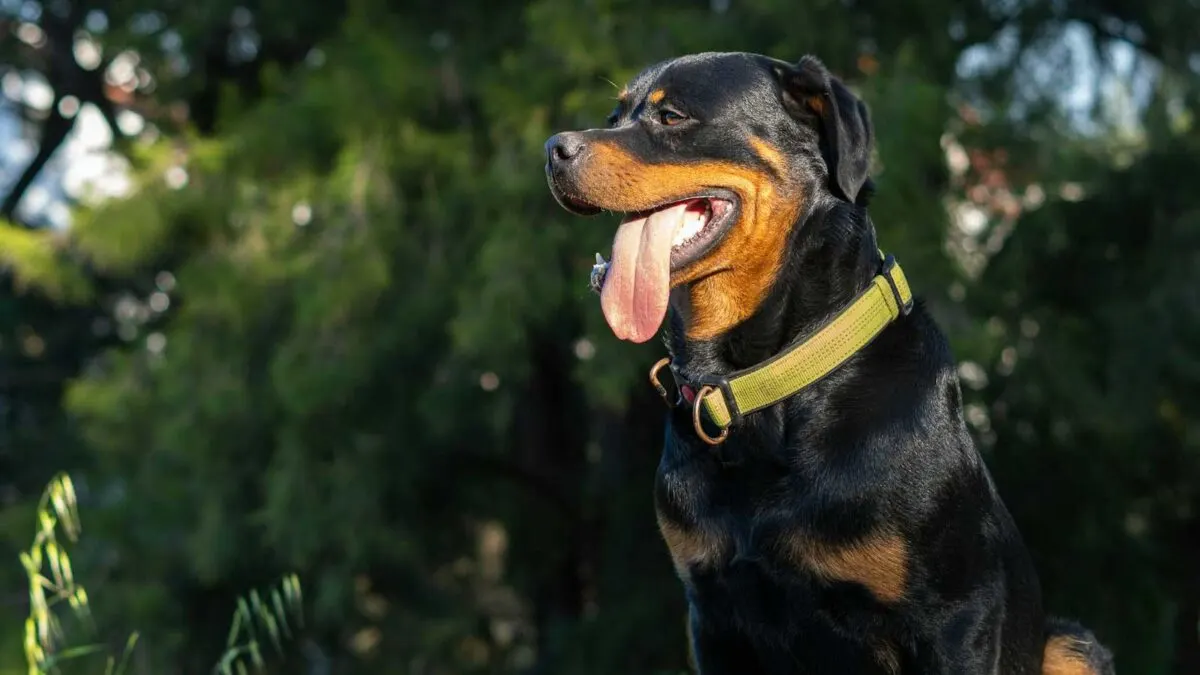
Rottweilers are strong and loyal, but they have a predisposition to joint problems and heart disease. Vets know these gentle giants can require lots of medical attention. They are also at risk for osteosarcoma, a type of bone cancer, which can be particularly aggressive.
Golden Retriever


Beloved for their friendly nature, Golden Retrievers are unfortunately prone to cancer. Vets often have to deliver the sad news of lymphoma or hemangiosarcoma diagnoses. Their love for food also puts them at risk for obesity and related health issues.
Cavalier King Charles Spaniel


These sweet dogs are prone to heart problems, specifically mitral valve disease. Vets often hear the telltale heart murmurs during checkups, leading to long-term treatment plans. They also suffer from syringomyelia, a painful condition affecting the spine and brain.
Boxer


Boxers are playful and energetic but come with a high risk of cancer, particularly mast cell tumors and lymphoma. Vets regularly perform biopsies and treatments for these conditions. Their short snouts also make them susceptible to breathing issues and heat intolerance.
Shar Pei


Known for their distinctive wrinkles, Shar Peis are frequent flyers at the vet due to skin infections and entropion, a condition where the eyelids roll inward. Vets often have to manage their chronic skin and eye problems, requiring ongoing care.
Great Dane


These gentle giants are prone to bloat, a life-threatening condition that requires immediate veterinary attention. Vets often perform surgeries to correct gastric dilatation-volvulus (GDV). Their large size also predisposes them to heart disease and joint issues.
Yorkshire Terrier


Yorkies may be small, but they come with a host of health issues, including tracheal collapse, dental problems, and hypoglycemia. Vets often find themselves managing these tiny patients with delicate care to avoid further complications.
10 Ways To Help Your Senior Dog Stay Healthy And Active


As your dog gets older, keeping them healthy and active becomes even more important. Senior dogs have different needs compared to their younger counterparts, but with a little extra care, they can enjoy their golden years to the fullest. From adjusting their diet to ensuring they get enough mental stimulation, there are many ways to support your aging pet. Here are some practical tips to help keep your senior dog healthy and active, making sure they stay happy and comfortable as they age.
Read it Here: 10 Ways To Help Your Senior Dog Stay Healthy And Active
10 Ways To Improve Your Dog’s Dental Health


Keeping your dog’s teeth clean is super important, but it doesn’t have to be a chore. We know brushing your pup’s teeth might sound like a wrestling match waiting to happen, but it can actually be pretty simple—and even fun! With a few clever tricks and regular habits, you can keep your dog’s smile bright and their breath fresh enough for cuddles. Here are some easy and surprisingly enjoyable ways to improve your dog’s dental health.
Read it Here: 10 Ways To Improve Your Dog’s Dental Health
*Select images provided by Depositphotos.