


Thinking about getting a dog but worried about the vet bills? Some breeds are pricier to insure than others, thanks to their unique health issues. From the squishy-faced Bulldogs to the towering Great Danes, these pups can rack up quite the medical tab. If you want to know which breeds will have you shelling out the big bucks, read on.


English Bulldog


English Bulldogs are prone to a range of health issues including respiratory problems due to their brachycephalic (short-nosed) structure, hip dysplasia, and frequent skin infections. Their average annual vet bills are high, making insurance premiums expensive.
Rottweiler

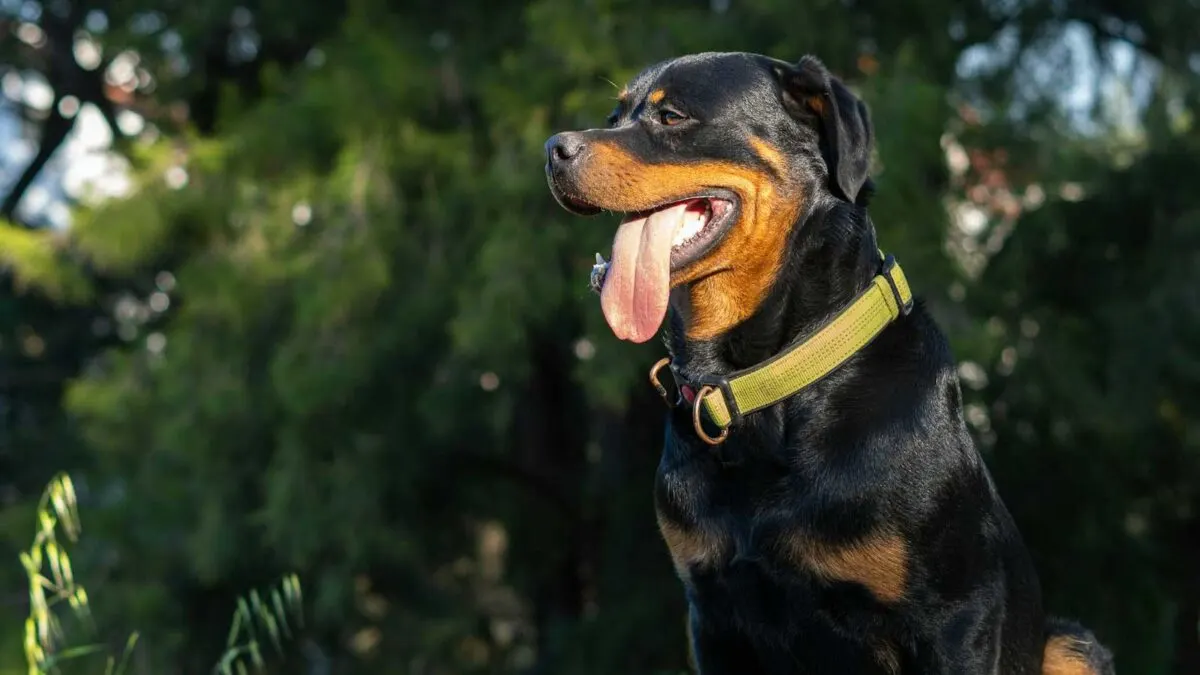
Rottweilers are susceptible to hip and elbow dysplasia, heart disease, and certain cancers like osteosarcoma. Their large size and potential for serious health issues, combined with their strong build, contribute to high insurance premiums.
Great Dane


Great Danes, known for their giant size, are at risk for bloat (gastric dilatation-volvulus), cardiomyopathy, and joint issues such as hip dysplasia. Their short lifespan and frequent need for specialized care make them costly to insure.
French Bulldog
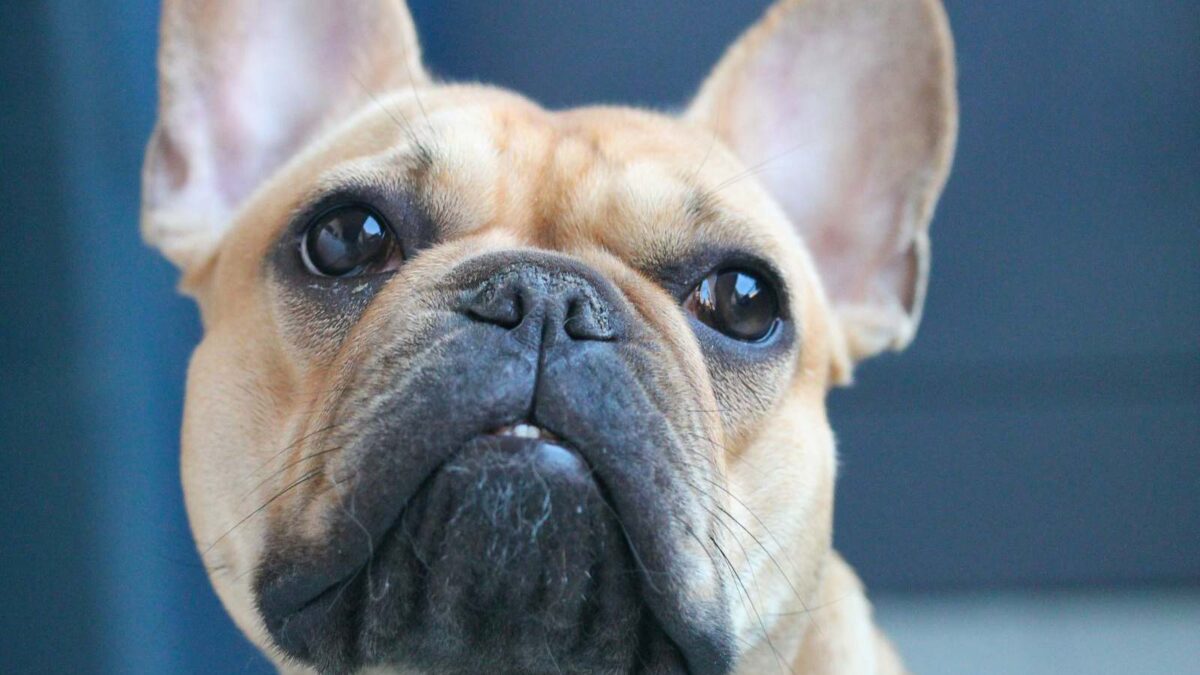

French Bulldogs often face respiratory issues, allergies, and intervertebral disc disease due to their compact structure. Their breed-specific health problems and popularity result in higher insurance costs.
Newfoundland


Newfoundlands are prone to subvalvular aortic stenosis (a heart condition), hip dysplasia, and cystinuria, a genetic kidney disease. Their size and these serious health concerns lead to high insurance premiums.
Irish Wolfhound


Irish Wolfhounds are at risk for dilated cardiomyopathy, osteosarcoma, and hip dysplasia. Their large size and relatively short lifespan (6-8 years) drive up insurance costs due to the frequent and expensive treatments required.
Bernese Mountain Dog


Bernese Mountain Dogs often suffer from various cancers (especially histiocytic sarcoma), hip and elbow dysplasia, and bloat. Their predisposition to serious health issues results in high insurance premiums.
German Shepherd


German Shepherds are susceptible to hip and elbow dysplasia, degenerative myelopathy (a progressive spinal cord disease), and various skin conditions. These common health issues and their active nature make them expensive to insure.
Bullmastiff


Bullmastiffs face health problems such as hip dysplasia, bloat, and cancer, including lymphoma and mast cell tumors. Their large size and potential for serious conditions significantly drive up insurance costs.
Saint Bernard


Saint Bernards are prone to hip dysplasia, entropion (where the eyelids roll inward), and dilated cardiomyopathy. Their large size and susceptibility to various health problems result in high insurance premiums.
Doberman Pinscher


Dobermans often face heart conditions like dilated cardiomyopathy, hip dysplasia, and von Willebrand’s disease (a blood clotting disorder). These serious health issues and their active lifestyle make them one of the costliest breeds to insure.
Chow Chow


Chow Chows are at risk for hip dysplasia, entropion, and autoimmune diseases such as pemphigus foliaceus. Their health problems, combined with their unique coat that can hide skin issues, contribute to high insurance premiums.
Old English Sheepdog


Old English Sheepdogs commonly deal with hip dysplasia, hypothyroidism, and congenital deafness. These chronic conditions and their thick coat requiring regular grooming lead to higher insurance costs to cover their medical needs.
Top 10 Most Expensive Dog Breeds To Own


Owning a dog can be a wonderful experience, but some breeds come with a significantly higher price tag than others. Whether it’s due to their rarity, grooming needs, or health care requirements, these dogs are considered luxury pets. These are the most expensive dog breeds to own and what makes each of them uniquely costly.
Read it Here: Top 10 Most Expensive Dog Breeds To Own
12 Reasons Not To Get A Designer Dog Breed


Designer dog breeds might seem like the latest trend, but they come with their own set of challenges that aren’t always obvious at first glance. Before you fall for their adorable looks and unique names (who wouldn’t want a Chiweenie?), it’s important to understand the potential downsides that can come with these fashionable pets.
Read it Here: 12 Reasons Not To Get A Designer Dog Breed
*Select images provided by Depositphotos.