


Bringing home a new pet sounds great in theory until your current dog makes it clear they’re not interested in sharing their turf. Some breeds have personalities that just don’t mix well with others, and no amount of treats or pep talks is going to change that. These are the dogs that like being the star of the show and aren’t big on compromise. They’ll guard their food, chase anything smaller that moves, and give you a look that says “this house is mine” if another animal dares to settle in. Life with them can still be rewarding, but multi-pet harmony isn’t usually part of the package.


Basenji


Basenjis may be small and quiet, but they come with a sharp hunting instinct. Originally bred in Africa to chase game, they have a strong prey drive that makes them quick to pursue smaller pets like cats or rodents. Their independent personality often means they prefer to keep attention on themselves rather than share it, which can create tension in multi-pet homes.
Belgian Malinois


The Belgian Malinois is famous for its intelligence and drive, which is why it’s so often used in military and police work. That same intensity can be overwhelming in a household with other pets. Malinois are protective and can be pushy, often struggling to relax around animals that don’t match their energy. Without strict structure and constant engagement, they’re more likely to see other pets as rivals than companions.
Pharaoh Hound


Graceful and athletic, Pharaoh Hounds have roots that trace back to ancient hunting traditions. They were built to chase, and that instinct is still strong today. While they can be affectionate with their families, they’re much less tolerant of smaller animals that dart around or make sudden movements. Their natural drive to pursue often outweighs any interest in peaceful coexistence.
Akita


Akitas are known for their loyalty and powerful protective instincts, but those same traits can lead to problems with other pets. Their strong-willed nature and history as hunters make them prone to guarding behavior and territorial disputes. While they bond closely with their human families, they don’t usually enjoy sharing their space with other dogs or animals.
Chow Chow


Chow Chows are dignified and independent dogs that often prefer to keep to themselves. They can be wary of strangers and are not known for their patience with other pets in the home. Their dominant personality means they often want control of their environment, which can spark conflict when another animal enters the picture.
Jack Russell Terrier


Small in size but overflowing with energy, Jack Russells were bred for hunting vermin and chasing prey. That background makes it difficult for them to settle in peacefully with smaller pets like cats, rabbits, or rodents. Their tenacity and high drive to chase can also create friction with other dogs, especially when they feel challenged or bored.
Siberian Husky


Huskies have a playful spirit and a love of activity, but they also carry a powerful prey drive. They often view smaller pets as something to chase, which can create real problems in households with cats or other small animals. Their independent streak and stubbornness make training for coexistence difficult, leaving them better suited to being with dogs of similar size and energy.
Shiba Inu

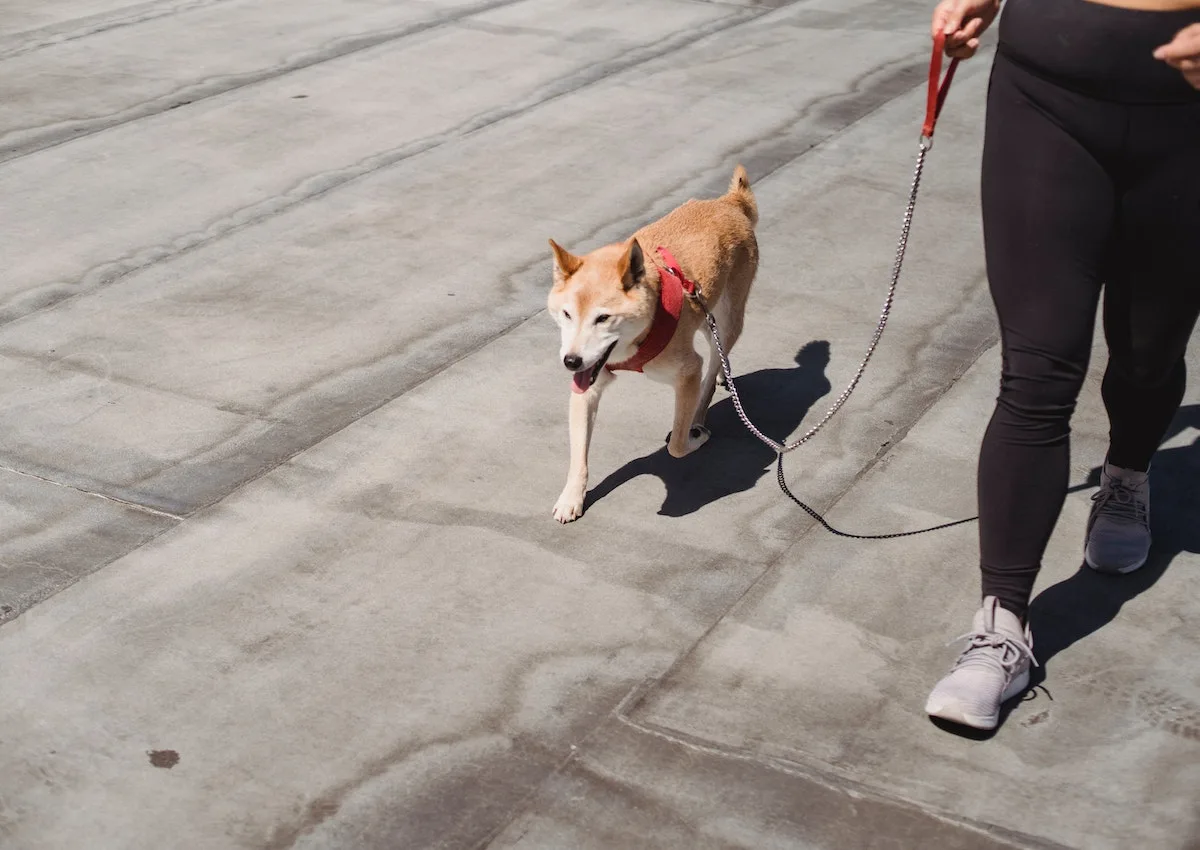
The Shiba Inu has a bold and independent personality that doesn’t always mesh well with other pets. They can be territorial and are not known for being overly affectionate with other animals in the household. Their sharp prey instincts make them quick to pursue smaller creatures, while their aloof nature means they usually prefer being the sole focus of attention.
Doberman Pinscher


Dobermans are devoted to their families and excel as protectors, but their dominant personality can clash with other animals. They often become possessive of their owners and may view other pets as competition for attention. Their natural guarding instincts can make it hard for them to relax in a home where other animals share the spotlight.
Afghan Hound


Known for their striking looks and aloof demeanor, Afghan Hounds are also hunters at heart. Their strong urge to chase makes them unreliable around smaller pets, and their independent nature means they’re not inclined to compromise in multi-pet households. They may be affectionate in their own way with people, but other animals are unlikely to win their favor.
10 Dog Breeds That Aren’t As Family-Friendly As Everyone Thinks


Not every dog breed with a cute face and a good reputation is a perfect fit for family life. While some breeds are marketed as great for kids and homes, the reality can be a bit different. From boundless energy to stubborn independence, some dogs bring more challenges than cuddles. Before you bring home a pup that looks family-friendly, it’s worth knowing which breeds might come with more than you bargained for.
Read it Here: 10 Dog Breeds That Aren’t As Family-Friendly As Everyone Thinks
10 Reasons Why You Should Think Twice Before Getting A Second Dog


Getting a second dog might seem like a great idea—double the love, double the fun, right? But before you make the leap, it’s worth thinking about some of the challenges that come with adding another furry friend to your family. From increased costs to potential personality clashes, there’s more to consider than just the cuteness factor. Bringing home a second dog can be rewarding, but it’s not always as easy as it sounds.
Read it Here: 10 Reasons Why You Should Think Twice Before Getting A Second Dog