


Living with a dog isn’t all that different from raising kids. The little things you let slide, the attention you give at the wrong time, and the rules you bend can all shape how they act. What seems harmless at first can turn into habits that stick, and those habits aren’t always easy to undo. Dogs look to their owners for structure, and when that structure slips, behavior problems usually follow.


Giving in when your dog barks


It feels natural to respond when your dog barks, whether it’s telling them to hush or giving them reassurance. The problem is, that reaction teaches them that barking works. Your dog quickly connects the dots that noise equals attention, so they keep doing it. The better approach is to ignore the barking altogether and reward the quiet moments, which helps them learn that calm behavior gets results.
Feeding your dog from the table


Those pleading eyes at dinnertime are hard to ignore, but slipping your dog food from your plate creates habits that are tough to break. Begging becomes part of every meal, and it can also lead to stomach issues or weight gain. Over time, they expect food whenever you sit down, which can be frustrating for you and unhealthy for them. Keeping food in their bowl and meals on a schedule keeps the begging under control and their diet on track.
Letting your dog pull on walks
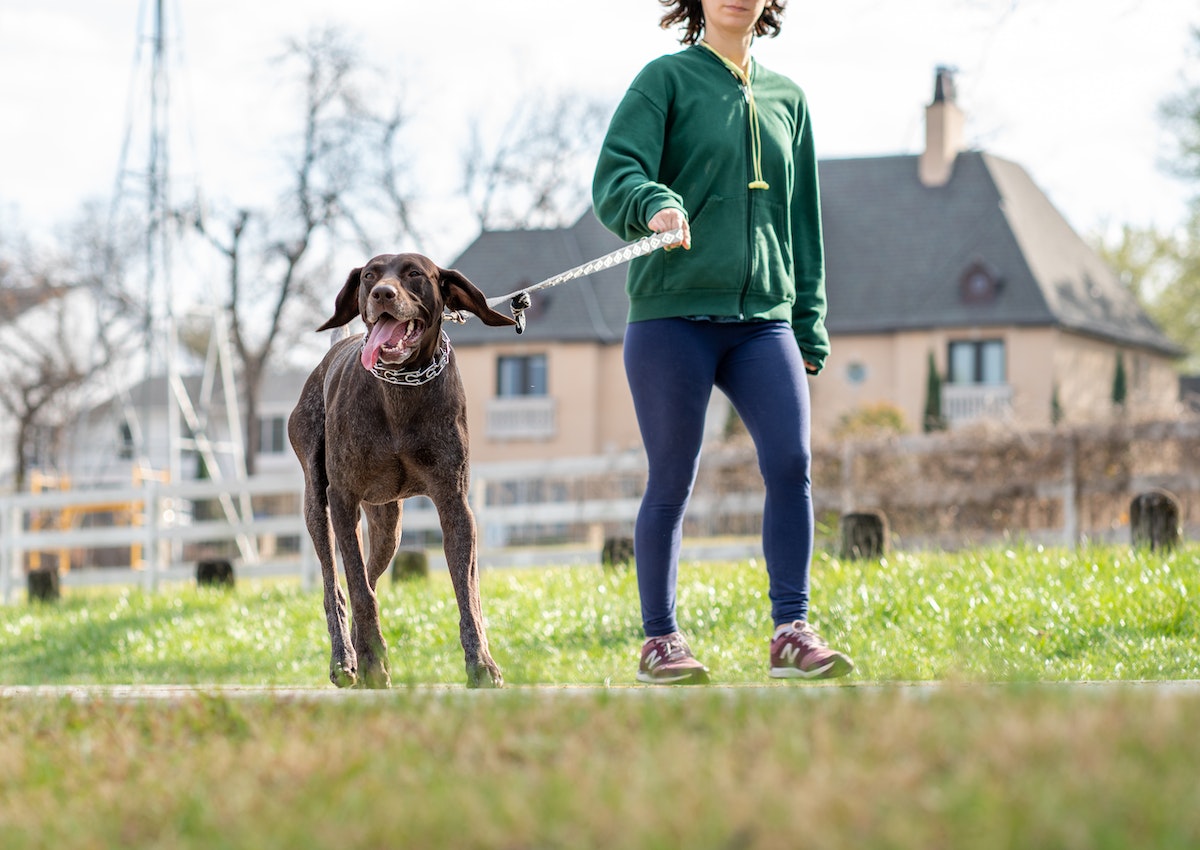

When you allow your dog to pull ahead during walks, you’re teaching them that they get to decide the pace and direction. At first it might not seem like a big deal, but over time the habit makes walks chaotic and unpleasant. A dog that drags you along the sidewalk isn’t just tiring, it’s harder to control if something unexpected happens. Consistent leash training keeps them focused on you and makes walks calmer for both of you.
Allowing your dog to jump on people


Excited greetings can be sweet, but allowing your dog to jump up for attention only encourages more of it. What starts as a cute puppy habit can turn into a real issue, especially with larger dogs that can knock someone over. Laughing or petting them while they jump teaches them that it’s the right way to get noticed. Teaching calm greetings instead creates safer, more polite interactions with both you and your guests.
Being inconsistent with rules


Dogs rely on clear communication, and when the rules keep changing, they don’t know what’s expected. One day they’re scolded for climbing on the couch, and the next day they’re invited up for a cuddle. That mixed messaging causes confusion and stress, which eventually leads to behavior problems. Sticking with consistent rules and commands helps your dog understand boundaries and builds trust in your leadership.
Playing with your hands instead of toys


Wrestling with your dog or letting them nip at your hands might feel playful, but it teaches them that biting is acceptable. Over time, that habit can turn into rough play that’s hard to stop, especially around kids or visitors who aren’t comfortable with it. Redirecting their energy into chew toys or tug ropes gives them an outlet while keeping their teeth away from skin. It’s safer, more controlled, and sets better expectations.
Skipping boundaries in the home


Every dog needs structure, and without it, they’ll start to make their own rules. Allowing them to sleep wherever they want, grab food from counters, or claim furniture sends the message that they’re in charge. That lack of boundaries often snowballs into behavior problems that are tough to correct. Establishing rules early and sticking to them helps your dog know where they stand and keeps the household peaceful.
Comforting fear instead of correcting it


When a dog shows fear, many owners rush to comfort them, but constant reassurance can make the fear stronger. Your dog learns that acting scared earns extra attention, so they keep repeating it. Instead of reinforcing the anxiety, showing calm and steady behavior helps them feel more secure. Building confidence through patience and gentle exposure to what scares them makes for a braver, less stressed dog.
Are You Making One of These 10 Common Dog Training Mistakes?


Training your dog can be challenging, especially if you’re making common mistakes without even realizing it. From inconsistent commands to not socializing enough, these missteps can slow down progress and create frustration for both you and your pup. Let’s go over some of the most common dog training mistakes and how you can avoid them to make the process smoother and more effective.
Read it Here: Are You Making One of These 10 Common Dog Training Mistakes?
10 Controversial Dog Training Methods — Do They Really Work?


Dog training methods can spark a lot of debates. Some techniques promise quick results, while others focus on building trust over time. But which ones really work, and which ones might do more harm than good? Here’s a look at 10 controversial dog training methods and their effectiveness.
Read it Here: 10 Controversial Dog Training Methods — Do They Really Work?