


Most people don’t realize how easily everyday habits can stress out a dog. Skipping walks, changing routines, or leaving them alone too long might feel minor, but dogs notice and react. The result is restlessness, anxiety, or behaviors that seem to come out of nowhere. Paying attention to how your lifestyle affects your dog can help you cut down on stress and keep them more at ease.


An unpredictable routine


Dogs rely on structure to feel secure, and when mealtimes, walks, or bedtime keep shifting, it throws them off balance. They don’t understand why one day food comes at noon and the next it comes at two, or why their usual walk gets skipped. That uncertainty builds anxiety. Keeping daily patterns consistent gives your dog a sense of stability that lowers stress and helps them relax.
Loud or sudden noises


What feels like background noise to you can feel overwhelming to your dog. Thunder, fireworks, vacuums, and even blasting music can trigger anxiety because dogs hear at a much higher sensitivity than we do. They can’t tune it out the way humans can. Having a quiet retreat, like a crate or calm room, helps your dog feel safer when noise levels get too intense.
Being left alone too long


Dogs are pack animals, so spending the entire day alone can leave them lonely and restless. Long hours without interaction often turn into separation anxiety, where barking, pacing, or destructive chewing become ways to cope. Hiring a walker, using daycare, or breaking up the time with visits keeps your dog engaged and reduces stress that comes from isolation.
Crowded or chaotic spaces


Taking your dog everywhere may sound fun, but busy events, loud gatherings, or crowded public areas can be overwhelming. Not all dogs enjoy being surrounded by strangers or other animals, and some will shut down or act out when overstimulated. Watching body language and knowing when to step away from the chaos helps prevent anxiety from escalating.
Mixed messages during training


When one day your dog is allowed on the couch and the next they’re scolded for it, confusion sets in. Inconsistent rules make it impossible for your dog to know what you expect, which increases stress and slows learning. Clear boundaries and consistent cues help dogs feel confident about their place in the household.
Not enough physical activity


A lack of exercise doesn’t just lead to weight gain, it also creates pent-up energy that turns into stress. Dogs who don’t get daily walks or playtime often resort to destructive behavior or restlessness. Regular movement helps burn off energy, stimulates the mind, and leaves your dog calmer and happier at home.
Too much excitement


While play is important, piling on endless high-energy games without breaks leaves dogs overstimulated. A constantly revved-up dog struggles to settle, which can lead to anxiety instead of enjoyment. Responsible play means balancing active sessions with calm downtime so your dog has the chance to recharge and stay composed.
Ignoring their signals


Dogs communicate with posture, facial expressions, and subtle gestures long before they bark or growl. Panting when it isn’t hot, pacing, or ears pulled back are often signs of stress. When those signals go unnoticed, the pressure builds and your dog has no outlet. Paying attention to their body language lets you intervene early and ease the tension before it grows.
Scolding fearful behavior


Punishing a dog for being scared only teaches them that fear is unsafe to express. If they’re nervous around strangers or loud sounds, adding punishment increases their anxiety. Comfort, patience, and reassurance help them work through fear far more effectively than scolding ever could. Supporting your dog in those moments builds trust instead of stress.
Sudden changes at home


Dogs are creatures of habit, so moving houses, rearranging furniture, or even introducing strong new scents can unsettle them. Changes in environment alter their sense of security. When shifts are unavoidable, easing them in gradually by keeping familiar toys, bedding, and routines helps your dog adapt without becoming overwhelmed.
15 Signs Your Dog Is Stressed Out and How To Calm Them Down


Dogs can get stressed out just like us, and sometimes it shows in the most unexpected ways. If your pup seems a bit off, it might be their way of telling you they need a little extra care. But don’t worry, we’ve got your back. Here are some of the clear signs your dog is stressed out and how to keep them calm.
Read it Here: 15 Signs Your Dog Is Stressed Out and How To Calm Them Down
12 Ways To Deal With A Stubborn Dog
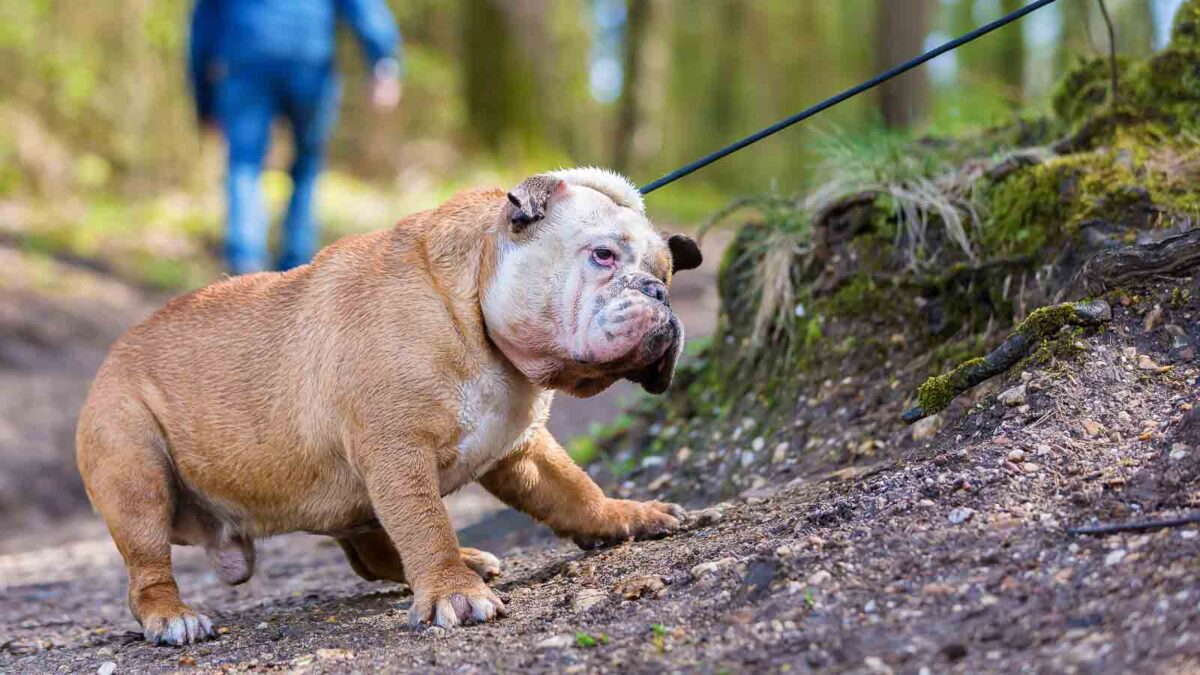

Dealing with a stubborn dog can feel like negotiating with a furry toddler who’s mastered the art of selective hearing. If your dog thinks “sit” means “run in circles” and “stay” means “chase the cat,” you’re not alone. Stubborn dogs can be a real challenge, but with the right tricks up your sleeve, you can turn those training sessions into a fun and rewarding experience. Here are some tips to help you outsmart your headstrong hound and bring a little more harmony to your home.
Read it Here: 12 Ways To Deal With A Stubborn Dog